Pakistan's Islamabad, Rawalpindi residents turn to wood, coal as LPG prices double amid gas crisis
Synopsis
Residents of Islamabad and Rawalpindi are cooking on wood and coal after LPG prices blew past twice the official ceiling and piped gas shrank to six hours a day — a microcosm of Pakistan's wider energy and inflation crisis, where petrol is up over 26% in just four months of the current financial year.
Key Takeaways
LPG is selling at PKR 600 per kg in the twin cities against the OGRA-fixed cap of PKR 279 per kg — more than double the regulated rate.
An 11 kg domestic cylinder now costs PKR 6,500 ; commercial cylinders exceed PKR 25,000 .
SNGPL has not supplied LPG cylinders to domestic and commercial consumers for the past two months .
Piped natural gas is available for only six hours a day , split across three windows, in Islamabad and Rawalpindi .
Petrol prices rose 26.11% to PKR 377.71 per litre between 1 July and 24 October 2026 ; high-speed diesel climbed 26.39% to PKR 393.66 per litre .
Neither OGRA nor the district administration has been able to enforce the official LPG price cap, with no official resolution timeline announced.
Residents of Islamabad and Rawalpindi — Pakistan's twin cities — have been forced to abandon conventional cooking fuels and switch to wood and coal, as liquefied petroleum gas (LPG) prices soar to nearly double the regulated rate and piped natural gas remains available for just six hours a day, local Pakistani media reported on Monday, 26 October 2026.
The Scale of the Crisis
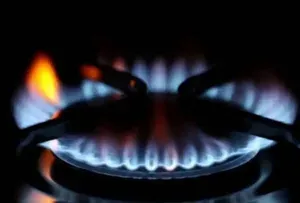
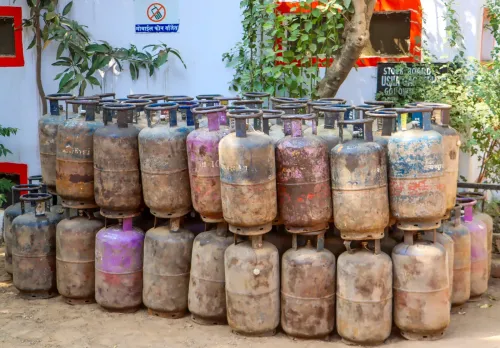
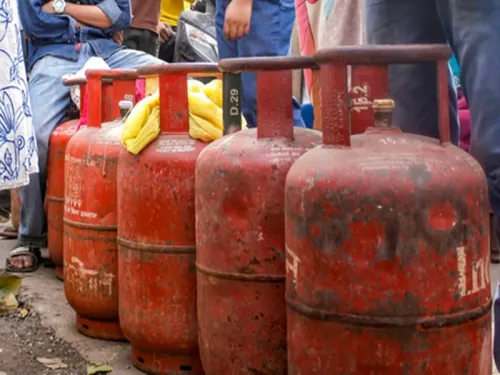
LPG cylinders in the twin cities are being sold at PKR 600 per kilogram — more than twice the PKR 279 per kg ceiling fixed by the Oil and Gas Regulatory Authority (OGRA), according to Pakistani daily Dawn. An 11 kg domestic cylinder now costs PKR 6,500, while commercial cylinders are being traded at over PKR 25,000.
Neither the district administration nor OGRA has been able to enforce price controls, the daily reported. Domestic and commercial consumers have reportedly not received LPG cylinders from the state-run Sui Natural Gas Pipelines (SNGPL) for the past two months, leaving private companies to fill the supply vacuum — at sharply elevated prices.
What Residents Are Experiencing
Piped natural gas is available only in three narrow windows: 7 am to 9 am, 12 noon to 2 pm, and 6 pm to 9 pm — totalling six hours daily, according to Mohammad Sajjad, a resident quoted by Dawn. He noted that low gas pressure during even these windows has disrupted daily routines and that SNGPL has not resolved the issue despite repeated complaints.
Another resident, Abdul Rasheed, said the shortage had persisted for over a month, and complaints filed with the relevant department had yielded no response from authorities. Many families, he added, had been left with no reliable means to cook.
A local shopkeeper, Mohammad Akmal, told Dawn that LPG sales had increased 'manifold,' with city residents — who previously had little reason to buy cylinders — now refilling once a week. 'Earlier, people from far-flung areas got their cylinders filled, but now local residents have also started buying cylinders and refilling it once a week,' he said, adding that prices spiked further because dealers themselves were procuring at elevated rates.
Broader Fuel Price Surge
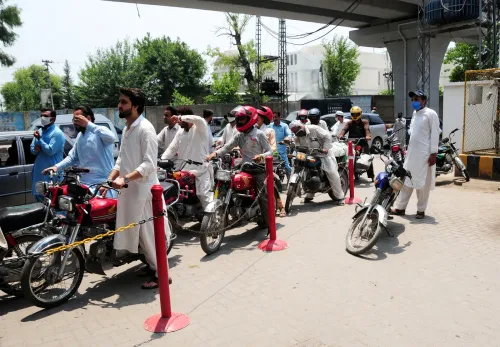
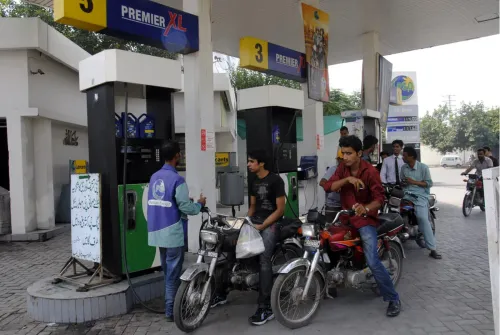
The cooking fuel crisis sits within a wider inflationary shock gripping Pakistan. Petrol prices climbed to PKR 377.71 per litre on 24 October, up from PKR 299.50 on 1 July — a rise of 26.11% in under four months of financial year 2026-27, according to Pakistani daily The Express Tribune. High-speed diesel rose to PKR 393.66 per litre from PKR 311.47 over the same period, a 26.39% increase. Passenger transporters and freight operators have been among the hardest hit by the diesel surge.
Why the Shortage Is Worsening
The timing coincides with the onset of cold weather, which typically spikes gas demand across northern Pakistan. Structural underinvestment in SNGPL's distribution network, combined with the regulatory authority's inability to police retail pricing, has allowed the informal LPG market to operate well above official caps. This is not the first winter that Islamabad and Rawalpindi residents have reported gas supply disruptions, but the combination of prolonged SNGPL defaults and runaway LPG prices represents a sharper squeeze than in recent years.
What Comes Next
With cold weather expected to deepen, demand for both LPG and wood fuel is likely to intensify further. Analysts and consumer groups in Pakistan have called on OGRA and the federal government to enforce price caps and restore SNGPL supply — but no official timeline for resolution had been announced as of Monday.
Point of View
But zero enforcement on the ground, which means private LPG dealers face no downside to profiteering. The deeper problem is structural — SNGPL's distribution network has been unable to meet demand for multiple winters running, and every year the government scrambles for a seasonal fix rather than addressing capacity. With petrol up 26% and diesel up 26% in a single quarter, the fuel-price shock is now hitting households from multiple directions simultaneously. The switch to wood and coal is not just an inconvenience; it signals a regression to high-pollution cooking that carries long-term public health consequences that rarely feature in the policy debate.
NationPress
26 Oct 2026
Frequently Asked Questions
Why are residents of Islamabad and Rawalpindi facing a gas shortage?
Residents are facing a gas shortage because piped natural gas from SNGPL is available for only six hours a day, split across three time slots, and the utility has not supplied LPG cylinders for the past two months. The shortfall has worsened with the onset of cold weather, which drives up demand across northern Pakistan.
What is the current LPG price in Islamabad and Rawalpindi?
LPG is being sold at PKR 600 per kilogram in the twin cities, compared to the OGRA-fixed rate of PKR 279 per kg. An 11 kg domestic cylinder costs PKR 6,500, while commercial cylinders are trading at over PKR 25,000.
Why can't authorities enforce the official LPG price cap?
Neither OGRA nor the district administration has been able to enforce the PKR 279 per kg price ceiling, according to Pakistani daily Dawn. Private companies have stepped into the supply vacuum left by SNGPL and are charging elevated prices, with no official enforcement action reported.
How much have petrol and diesel prices risen in Pakistan recently?
Petrol prices rose 26.11% to PKR 377.71 per litre between 1 July and 24 October 2026, while high-speed diesel climbed 26.39% to PKR 393.66 per litre over the same period. The increases have added pressure on passenger transporters and freight operators.
What are residents doing to cope with the gas and LPG shortage?
Most residents have switched to burning wood and coal for cooking, according to reports. Those who can afford it are purchasing LPG cylinders from private dealers and refilling them weekly, despite prices far exceeding the official cap.