MS patients in Pakistan's KP flag rising costs, treatment gaps

Synopsis
Between 12,000 and 14,000 MS patients in Pakistan face annual treatment bills of nearly PKR 1 million, while a broader medicine price surge — up to 500% in some cases — has pushed even insulin out of reach for low-income households. Neurologists warn that forced treatment interruptions accelerate disability, making this a public health emergency hiding in plain sight.
Key Takeaways
MS patients in Khyber Pakhtunkhwa face annual treatment costs of nearly PKR 1 million per patient.
An estimated 12,000–14,000 MS patients live in Pakistan, but comprehensive national data is unavailable.
The provincial Sehat Card programme does not cover the full cost; public hospitals lack modern MS therapies.
Medicine prices at Bohor Bazaar, Rawalpindi rose between 50% and 500% in April 2025 .
An insulin injection device price jumped from PKR 2,200 to PKR 4,720 in the open market.
Neurologists warn that interrupted MS treatment leads to rapid disease progression and preventable disability.
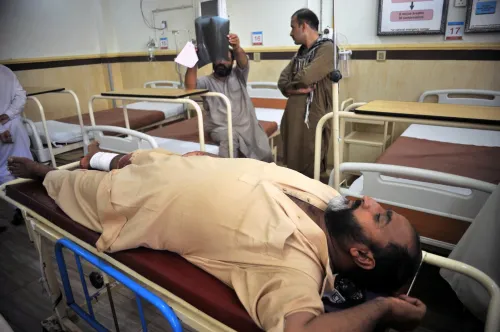
Patients diagnosed with Multiple Sclerosis (MS) in Pakistan's Khyber Pakhtunkhwa (KP) province have raised urgent concerns over the spiralling cost of treatment and the absence of advanced therapies in public hospitals, according to local media reports published on Sunday, 7 June. Patient advocates have called on the government to extend financial support to young people at risk of preventable disability.
Scale of the Crisis
Medical experts estimate that between 12,000 and 14,000 MS-diagnosed patients currently live in Pakistan, though comprehensive national data remains unavailable. Annual treatment expenses can reportedly reach nearly PKR 1 million per patient — a figure that places modern MS therapy well beyond the reach of most households.
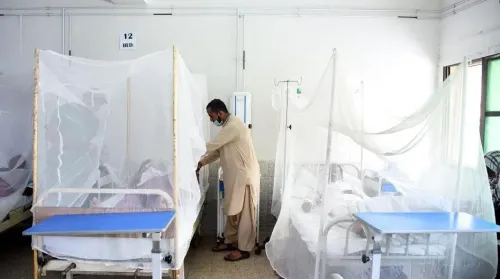
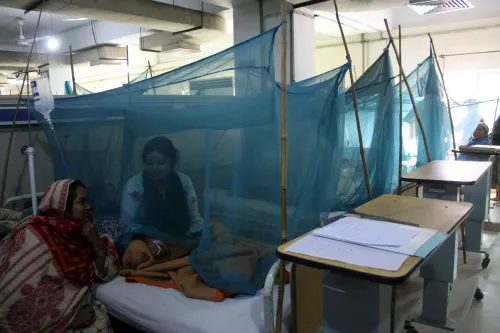
Some patients access treatment through the provincial Sehat Card programme, but doctors and advocates say the scheme's coverage falls short of the actual cost. Public hospitals, meanwhile, do not stock modern disease-modifying therapies. Neurologists have warned that patients forced to discontinue treatment mid-course face rapid disease progression, compounding long-term disability risk.
What Multiple Sclerosis Does
MS is a chronic neurological condition in which the immune system attacks the brain and spinal cord, damaging nerve fibres. Symptoms vary by individual and include vision problems, fatigue, difficulty walking, impaired balance, and numbness or weakness in the limbs. The causes remain unknown, though a family history of the disease is considered a risk factor. According to the World Health Organisation (WHO), there is no cure, but treatment can reduce relapses, manage symptoms, and improve quality of life.
Broader Medicine Price Surge
The MS affordability crisis sits within a wider pharmaceutical emergency. In April, medicine prices in the open market — including at Bohor Bazaar, a major pharmaceutical hub in Rawalpindi — reportedly surged between 50% and 500%. Essential medicines covering diabetes, hypertension, antibiotics, gastrointestinal conditions, and cough treatments were all affected.
Among the starkest examples: the price of an insulin injection device climbed from PKR 2,200 to PKR 4,720 in the open market. Critics have described the increases as 'unbearable', arguing that insulin devices priced between PKR 2,000 and PKR 5,000 effectively shut out low-income patients from essential care. Advocacy groups have urged the government to intervene with price controls and expanded subsidy coverage.
What Advocates Are Demanding
Patient groups and neurologists are pressing provincial and federal authorities to increase Sehat Card limits for neurological conditions, procure modern MS therapies for public hospitals, and implement emergency price stabilisation measures for essential medicines. The calls reflect a broader concern that Pakistan's healthcare safety net is buckling under inflationary pressure at precisely the moment patients need it most.
With no cure available and treatment continuity directly linked to disease outcomes, the coming weeks will test whether authorities respond with targeted relief or leave thousands of patients to manage an unaffordable burden alone.
Point of View
But when its limits cannot cover a single year of neurological treatment, it functions more as a political gesture than a medical guarantee. The simultaneous 50–500% surge in open-market medicine prices suggests systemic regulatory failure, not a temporary supply shock. Crucially, MS disproportionately affects working-age adults: every patient forced off therapy is a potential long-term disability case, with cascading economic consequences the government's own social protection budget will eventually absorb. The cost of inaction is deferred, not avoided.
NationPress
24 Sept 2026
Frequently Asked Questions
How many Multiple Sclerosis patients are there in Pakistan?
Medical experts estimate between 12,000 and 14,000 MS-diagnosed patients in Pakistan, though no comprehensive national registry exists. The absence of reliable data itself complicates policy planning and resource allocation.
Why is MS treatment unaffordable for many patients in Pakistan?
Annual MS treatment costs can reach nearly PKR 1 million per patient, far exceeding what the provincial Sehat Card covers. Public hospitals do not stock modern disease-modifying therapies, leaving patients dependent on private care they often cannot sustain financially.
What happens when MS patients stop treatment mid-course?
Neurologists have warned that discontinuing MS therapy can lead to rapid disease progression, increasing the risk of permanent disability. Treatment continuity is directly linked to slowing relapses and preserving neurological function.
How much have medicine prices risen in Pakistan?
In April 2025, prices at Bohor Bazaar in Rawalpindi reportedly rose between 50% and 500% across essential medicine categories. An insulin injection device, for instance, jumped from PKR 2,200 to PKR 4,720 in the open market.
What are patient groups demanding from the Pakistan government?
Advocates are calling for higher Sehat Card limits for neurological conditions, procurement of modern MS therapies for public hospitals, and emergency price controls on essential medicines. The demands are framed around preventing a wave of avoidable disability among young patients.