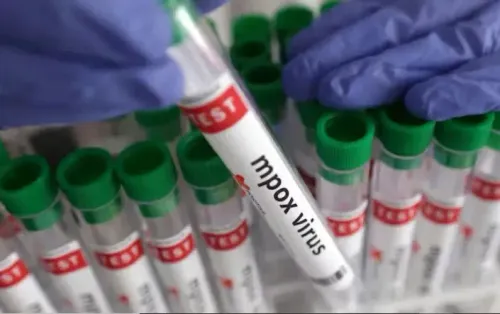
Pakistan mpox cases rise to 26, straining disease surveillance systems
Synopsis
Pakistan's mpox count has climbed to 26 confirmed cases, but the more alarming development is the shift from travel-linked infections to suspected local transmission. With surveillance gaps, regional resource constraints, and possible underreporting, health authorities in Khyber Pakhtunkhwa are racing to contain an outbreak that may already be larger than official numbers suggest.
Key Takeaways
26 mpox cases have been confirmed in Pakistan over the past year, according to reports.
Infections have shifted from travel-linked to suspected local transmission , complicating containment efforts.
Khyber Pakhtunkhwa has placed both public and private healthcare facilities on high alert .
The report warns that cases in regions with weaker surveillance may be underdetected or underreported .
Resource constraints and competing health priorities are hampering the speed and effectiveness of Pakistan's outbreak response.
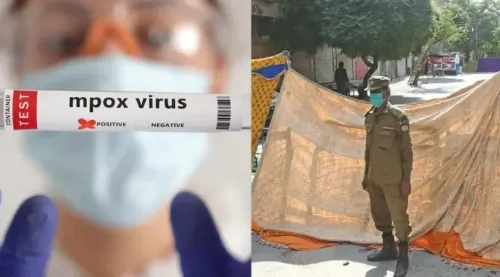
A surge in mpox cases across Pakistan is exposing critical gaps in the country's public health infrastructure, according to a report, with suspected local transmission now complicating what initially appeared to be a manageable, travel-linked outbreak. The development has prompted heightened vigilance among health authorities, particularly in the province of Khyber Pakhtunkhwa.
From Isolated Cases to Local Transmission
The confirmation of 26 mpox cases over the past year marks a significant shift in the outbreak's trajectory. Infections that were initially identified as imported and travel-linked have evolved into what analysts describe as a 'complex epidemiological situation,' according to the report. The transition to suspected local transmission is being treated as a critical juncture by health officials.
'When a disease establishes local transmission, containment becomes more complex. The chain of infection extends beyond identifiable entry points, making contact tracing more challenging and increasing the likelihood of undetected spread,' the report noted.
Surveillance Gaps Under Scrutiny
The gradual rise in case numbers has drawn attention to shortcomings in Pakistan's disease surveillance infrastructure. Effective monitoring of infectious diseases depends on timely detection, accurate reporting, and coordinated response mechanisms — areas where the system reportedly struggled during the early stages of the outbreak.
Notably, the report raises the possibility that the concentration of confirmed cases in specific regions may reflect differences in surveillance intensity rather than the actual geographic distribution of infections. This suggests that cases in other parts of the country may remain undetected or underreported.
Regional Disparities and Resource Constraints
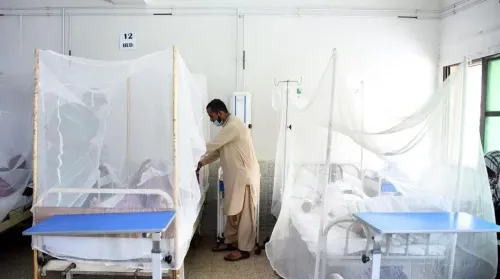
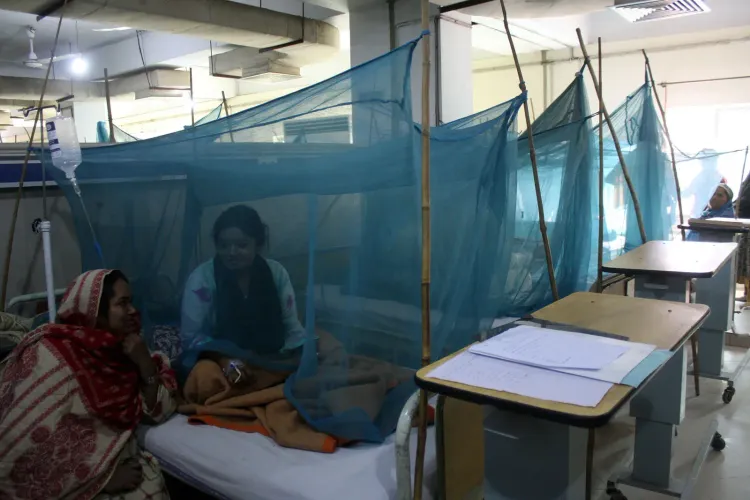
Provinces such as Khyber Pakhtunkhwa face compounding challenges, including resource constraints and uneven access to medical facilities. Both public and private healthcare facilities in the province have been placed on high alert. These structural limitations, according to the report, directly affect both the detection rate and the effectiveness of outbreak response efforts.
'The situation also underscores the broader pressures facing the healthcare system, including resource constraints and competing priorities. These factors can influence the speed and effectiveness of responses to emerging threats,' the report stated.
Broader Implications for Public Health
The mpox situation in Pakistan fits a pattern observed in other resource-constrained health systems — where outbreaks build quietly through scattered infections before revealing their full scale. The report characterises this as a public health crisis that 'seldom arrives with spectacle,' warning that the absence of visible alarm can itself delay an adequate response.
As health authorities work to strengthen surveillance and contact tracing, the coming weeks will be critical in determining whether Pakistan can contain further local spread or faces a more entrenched community-level outbreak.
Point of View
But the shift to local transmission — combined with acknowledged surveillance gaps — means the real number is almost certainly higher. The concentration of cases in Khyber Pakhtunkhwa, a province with chronic resource deficits, is a warning sign that the outbreak could entrench itself before a coordinated national response materialises. Pakistan has faced this pattern before with polio: underreporting masks scale, and by the time the system responds at full capacity, containment has become far harder.
NationPress
15 Sept 2026
Frequently Asked Questions
How many mpox cases have been confirmed in Pakistan?
According to reports, 26 mpox cases have been confirmed in Pakistan over the past year. Health authorities have described the situation as a 'complex epidemiological situation' following the suspected shift to local transmission.
What is local transmission and why does it matter for Pakistan's mpox outbreak?
Local transmission means the virus is spreading within communities rather than arriving solely through travel. This makes containment significantly harder, as contact tracing must extend beyond identifiable entry points and the risk of undetected spread increases.
Which region of Pakistan is most affected by mpox?
Khyber Pakhtunkhwa is the province under the highest alert, with both public and private healthcare facilities placed on heightened vigilance. The province faces particular challenges due to resource constraints and uneven access to medical facilities.
Are mpox cases in Pakistan being underreported?
The report raises this concern explicitly, noting that the concentration of confirmed cases in specific regions may reflect differences in surveillance intensity rather than actual infection distribution. Areas with weaker monitoring infrastructure may have undetected cases.
What are the key weaknesses in Pakistan's response to the mpox outbreak?
Reports point to gaps in disease surveillance infrastructure, including delayed detection and reporting, regional resource constraints, and competing health system priorities. These factors are reportedly slowing both the identification of new cases and the coordination of an effective response.