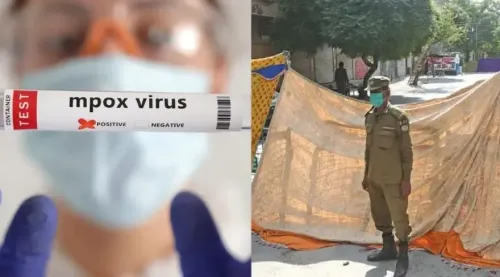
Mpox cases in Khyber Pakhtunkhwa rise to 18, Peshawar worst-hit

Synopsis
Pakistan's mpox outbreak is quietly widening across provinces. Khyber Pakhtunkhwa has now logged 18 cases — including one death — while Sindh has recorded 42 infections this year. With cases in both Peshawar and Karachi and no containment announcement yet, the trajectory warrants national attention.
Key Takeaways
Four new mpox cases confirmed in Khyber Pakhtunkhwa on 28 October 2026 , raising the provincial total to 18 .
Peshawar has recorded the highest number of cases in the province — five infections .
One death from mpox has been recorded in Khyber Pakhtunkhwa so far.
Sindh province has confirmed 42 mpox cases in 2026, including 14 in Karachi .
Authorities are conducting surveillance; residents advised to avoid close contact with infected individuals.
The WHO recommends vaccines for high-risk individuals and health workers during active outbreaks.
Four new mpox cases have been confirmed in Pakistan's northwestern Khyber Pakhtunkhwa province, the provincial health department announced on Tuesday, 28 October 2026, raising the total infection count in the province to 18. Peshawar, the provincial capital, has recorded the highest cluster with five cases, while one death from the disease has been reported so far.
Latest Case Count and Spread
The four new infections add to a steadily rising tally that health officials are monitoring closely. Peshawar accounts for five of the province's 18 confirmed cases, making it the hardest-hit urban centre in Khyber Pakhtunkhwa. The provincial health department has not yet specified the source or transmission chain of the latest cases.
The outbreak in the northwest comes alongside a separate cluster in Sindh province. Last month, a 45-year-old resident of Karachi's Surjani town tested positive for the virus through a PCR test after developing a rash and was admitted to the Sindh Infectious Diseases Hospital. That case pushed Sindh's confirmed mpox tally to 42 infections for the year, including 14 cases in Karachi alone, according to the provincial health department.
What the Health Authorities Are Doing
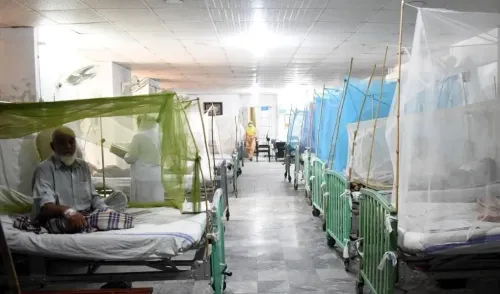
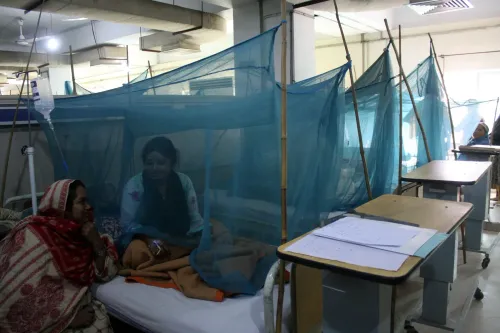
Provincial authorities in Khyber Pakhtunkhwa have advised residents to avoid close contact with infected individuals as the primary precaution against further transmission. Surveillance and monitoring efforts are under way across the province to detect new cases early and contain spread. No additional restrictions or emergency protocols have been announced as of Tuesday.
Understanding Mpox: Transmission and Symptoms
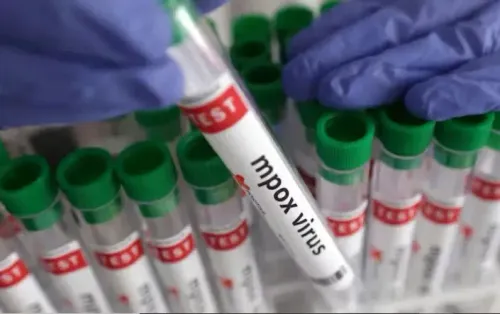
Mpox — previously known as monkeypox — is a viral disease caused by the monkeypox virus, an orthopoxvirus. According to the World Health Organization (WHO), the disease spreads primarily through close person-to-person contact, including exposure to bodily fluids, skin lesions, internal mucosal surfaces, respiratory particles, and contaminated objects.
Symptoms typically include fever, headache, body aches, and a distinctive skin rash or blisters. The WHO notes the disease can cause severe illness and leave lasting scars. People vaccinated against smallpox in childhood may retain some degree of cross-protection against mpox.
Prevention and WHO Guidance
The WHO recommends vaccines for those most at risk during active outbreaks — including individuals who have had close contact with a confirmed mpox patient and frontline health workers. Raising community awareness and training healthcare personnel on infection prevention remain the cornerstones of containment, according to WHO guidelines.
With infections now spanning at least two provinces and both the federal and provincial health departments conducting surveillance, Pakistan's mpox situation will remain under close watch in the coming weeks.
Point of View
This is no longer a pair of isolated incidents — it is a multi-province outbreak with at least one confirmed fatality. The absence of any announced containment protocol beyond a general advisory to 'avoid close contact' raises questions about the adequacy of the public health response. Crucially, Pakistan shares a long, porous border with Afghanistan and an active movement corridor with India; a sustained mpox presence in two major provinces without aggressive surveillance and vaccination of high-risk groups is a regional concern, not just a domestic one.
NationPress
28 Oct 2026
Frequently Asked Questions
How many mpox cases have been reported in Khyber Pakhtunkhwa?
As of 28 October 2026, Khyber Pakhtunkhwa province has recorded a total of 18 confirmed mpox cases following the addition of four new infections. Peshawar, the provincial capital, has the highest cluster with five cases, and one death has been confirmed in the province.
How does mpox spread and what are the symptoms?
Mpox spreads primarily through close contact with an infected person, including exposure to bodily fluids, skin lesions, respiratory particles, and contaminated objects, according to the WHO. Symptoms include fever, headache, body aches, and a painful skin rash or blisters that can leave scars.
How many mpox cases has Pakistan's Sindh province recorded in 2026?
Sindh province has confirmed 42 mpox infections in 2026, including 14 cases in Karachi. The most recently reported Karachi case involved a 45-year-old Surjani town resident who tested positive via PCR and was admitted to the Sindh Infectious Diseases Hospital.
What precautions are authorities recommending against mpox?
The Khyber Pakhtunkhwa health department has advised people to avoid close contact with infected individuals to reduce transmission risk. The WHO recommends vaccines for high-risk groups — including close contacts of confirmed cases and healthcare workers — and stresses community awareness and training of health personnel.
Who can get vaccinated against mpox?
The WHO recommends mpox vaccination for those most at risk of exposure during an active outbreak, particularly individuals who have had close contact with a confirmed mpox patient and frontline health workers. People vaccinated against smallpox in childhood may also have some residual cross-protection against mpox.