Why Did Azam Khan Criticize the Push for a Muslim Deputy Chief Minister?
Synopsis
In a revealing interview, veteran politician Azam Khan sheds light on the inadequacy of symbolic political roles for Muslims in Uttar Pradesh, advocating for genuine representation and decision-making power within the INDIA bloc. His reflections from prison reveal the complexities of leadership and the need for real change in the political landscape.
Key Takeaways
Symbolic roles in politics do not translate to real power.
True representation requires a seat at the decision-making table.
Inclusion of diverse voices is essential for a healthy democracy.
Resilience can be forged in the face of adversity and injustice.
Political empowerment goes beyond electoral cycles.
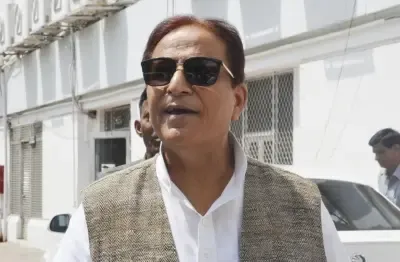
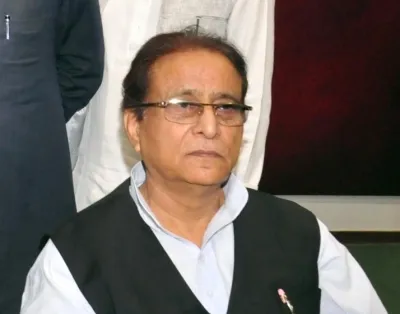
New Delhi, Oct 31 (NationPress) In a revealing statement that highlights ongoing tensions within the opposition INDIA bloc, seasoned Samajwadi Party leader Azam Khan has dismissed suggestions for a Muslim Deputy Chief Minister in Uttar Pradesh as mere "symbolism," contending that such positions lack constitutional significance and do not offer meaningful representation for the state’s 19 percent Muslim demographic.
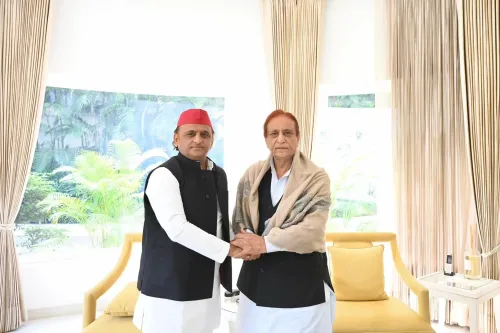
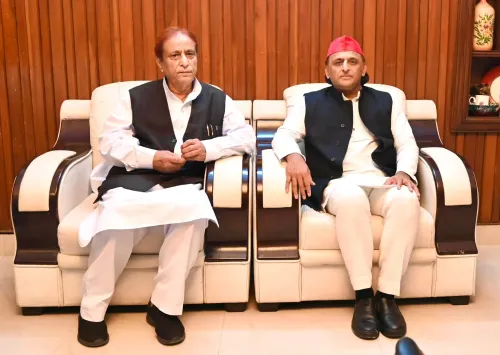
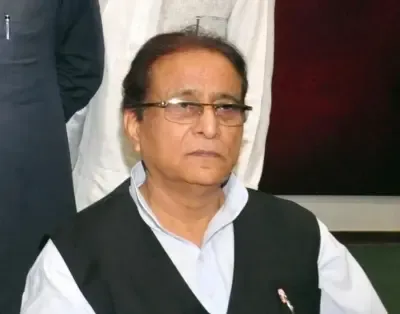
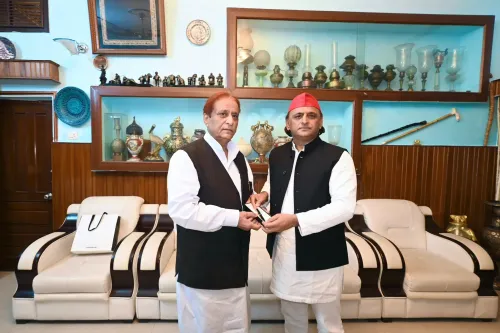
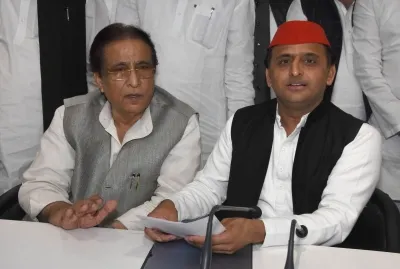
In an exclusive interview with IANS, just weeks after his release from Sitapur prison where he spent 23 months entangled in various criminal cases, Khan, a prominent figure in the Samajwadi Party’s outreach to minorities and a nine-time MLA from Rampur, reflected on his enduring connection with the Yadav family, asserting that his relationship with party head Akhilesh Yadav remains steadfast despite swirling media speculation about a rift.
“Visits do not define relationships,” he remarked, recalling how Akhilesh had come to see him in jail on multiple occasions.
Rejecting the notion of a Muslim Deputy CM as "ineffectual" – a role where "no one listens" – Khan stressed that genuine progress requires equitable involvement in decision-making rather than mere ceremonial positions.
“Simply donning a cap does not make one a Muslim,” he jested, critiquing leaders who flaunt religious symbols for mere appearances.
His remarks come in the context of Bihar’s pivotal assembly elections set for November, where the NDA faces off against the Mahagathbandhan, and Muslims feel overlooked despite their significant electoral weight. Khan criticized the bloc’s exclusion of Asaduddin Owaisi, labeling it a self-inflicted wound, and expressed his singular hope: “Akhilesh Yadav and Muslims receive fair representation in the INDIA bloc.”
This, he argued, counters the narrative of Muslims as mere "vote banks," an insult he vehemently rejects.
“We have cast our votes judiciously,” he insisted, pointing to Uttar Pradesh’s history of supporting people-centric administrations. Khan’s interview also unfolded layers of his personal challenges, illustrating a narrative of resilience forged through hardship.
Having been released in September after the Supreme Court granted bail in multiple FIRs, which he claims were fabricated with identical crime numbers across 27 stations, the 76-year-old leads a modest life, avoiding Y-category security for health and privacy reasons. His financial situation has been exposed; pensions for himself and his wife, Tazeen Fatma, are the primary support for the household, after income tax raids confiscated almost everything, leaving him with just Rs 3,500 and 100 grams of gold. “I may have to sell my house,” he lamented, with no buyers due to persistent stigma.
Arguing that he was imprisoned not for corruption but because of his allegiance to Mulayam Singh Yadav’s socialist principles, Khan stated he “will not seek revenge” for the "injustice" if the SP regains power in 2027.
On the topic of "communal provocations," like Raghvendra Singh’s "inflammatory challenge" to “bring Muslim girls,” Khan advocated for restraint: “It’s wiser to stay silent,” lest silence amplify propaganda.
His outlook, shaped by organizing two Kumbh Melas without caste or religious bias, remains resolutely inclusive.
“I have never viewed anyone through the prism of religion or caste,” he affirmed.
As Bihar prepares to vote and Uttar Pradesh sets its sights on 2027, Khan’s voice – quieter post-incarceration but no less impactful – conveys a yearning for Muslim leadership that seeks empowerment beyond electoral cycles.
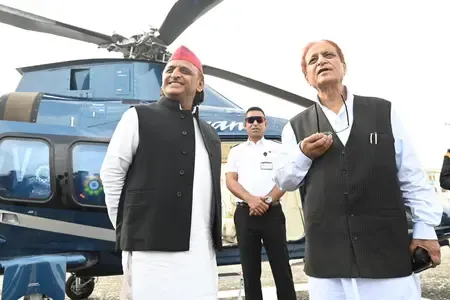
With Akhilesh’s recent endorsement, including naming him a star campaigner for Bihar, the stage is primed for reconciliation. Yet Khan’s fundamental message endures: peace of mind outweighs titles, and real transformation requires more than mere gestures.
Point of View
Azam Khan's remarks highlight the crucial need for authentic representation in politics, especially for marginalized communities. His experiences and insights serve as a reminder of the importance of empowering leaders who can genuinely advocate for their constituents rather than merely fulfilling symbolic roles. The upcoming elections present an opportunity for a more inclusive political landscape that respects the voices of all communities.
NationPress
18 Sept 2026
Frequently Asked Questions
What did Azam Khan say about the Muslim Deputy Chief Minister position?
Azam Khan criticized the idea of a Muslim Deputy Chief Minister in Uttar Pradesh, calling it mere symbolism that lacks real power and fails to provide substantive representation for Muslims.
How long was Azam Khan in jail?
Azam Khan was incarcerated for 23 months in Sitapur jail amid various criminal cases before his recent release.
What does Khan suggest for the representation of Muslims?
Khan advocates for fair representation and significant roles in decision-making, rather than merely ceremonial positions.
What is Khan's stance on communal provocations?
Khan urges restraint in response to communal provocations, emphasizing the importance of thoughtful discourse rather than inflammatory remarks.
What are Khan's views on the electoral power of Muslims?
Khan insists that Muslims have used their voting power wisely and should not be seen merely as 'vote banks' but as significant contributors to the democratic process.