Supreme Court Approves Bail for Shabir Ahmed Shah in Terror Funding Case
Synopsis
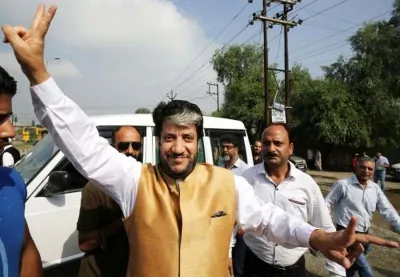
In a pivotal decision, the Supreme Court has granted bail to Kashmiri separatist leader Shabir Ahmed Shah, highlighting concerns over his prolonged detention and the slow progress of his trial in a terror funding case.
Key Takeaways
Supreme Court grants bail to Shabir Ahmed Shah in a terror funding case.
Concerns about prolonged detention and trial delays were noted.
Shah's case highlights issues in judicial processes for sensitive cases.
NIA alleges Shah's involvement in funding separatist activities.
Previous bail applications were rejected due to the severity of charges.
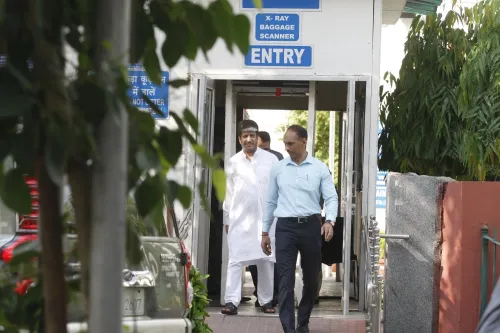
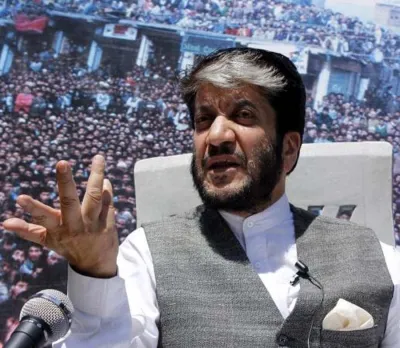
New Delhi, March 12 (NationPress) In a significant ruling, the Supreme Court granted bail to Kashmiri separatist leader Shabir Ahmed Shah related to a terror funding case. The bench, comprising Justices Vikram Nath and Sandeep Mehta, acknowledged Shah's extended period of detention and the sluggish pace of the trial, leading to this decision.
Shah had appealed against the Delhi High Court's previous dismissal of his bail request. He was taken into custody by the National Investigation Agency (NIA) in 2019 in relation to the terror funding allegations.
In his appeal to the apex court, Shah argued that he had been in detention for over six years and pointed out the slow progress of the trial, with only 15 of approximately 400 witnesses having been examined thus far.
The Delhi High Court had earlier denied Shah's bail application, citing the serious nature of the allegations against him and the risk of him potentially influencing witnesses or continuing his alleged activities.
“Despite the appellant (Shah) having been in custody for five years, the charges have been framed, and the trial is ongoing. The prosecution has not delayed in examining its witnesses,” stated the court.
Shah filed a special leave petition (SLP) with the Supreme Court to contest the Delhi High Court's ruling.
The NIA claims that Shah was instrumental in bolstering separatist networks in Jammu and Kashmir and allegedly funneled funds through hawala channels and Line of Control (LoC) trade to sustain disruptive and militant operations.
His name was included in the second supplementary charge sheet submitted by the NIA on October 4, 2019.
During the earlier hearings at the Supreme Court, senior advocate Colin Gonsalves, representing Shah, contended that the case against him relied on a single speech and emphasized the length of his custody. In contrast, the NIA maintained that Shah and others had funded protests aimed at destabilizing the administration and supporting separatist movements.
Back in September 2025, the Supreme Court had declined to grant Shah interim bail on medical grounds but requested the NIA's response to his bail plea. The bench led by Justice Nath seemed unconvinced by Gonsalves’s argument regarding Shah's health issues.
Point of View
The court's acknowledgment of his lengthy detention raises questions about the pace of justice in such high-profile cases. This situation reflects broader issues within the judicial system, particularly regarding cases involving separatism and national security.
NationPress
3 Oct 2026
Frequently Asked Questions
What was the basis for Shabir Ahmed Shah's bail?
The Supreme Court granted bail due to Shah's prolonged detention and the slow progress of the trial, which had seen only a fraction of witnesses examined.
Who is Shabir Ahmed Shah?
Shabir Ahmed Shah is a Kashmiri separatist leader accused of involvement in terror funding activities aimed at supporting separatist movements in Jammu and Kashmir.
What is the role of the NIA in this case?
The National Investigation Agency (NIA) is responsible for investigating Shah's alleged role in terror funding and separatist activities in Jammu and Kashmir.
Why was bail previously denied by the Delhi High Court?
The Delhi High Court denied bail due to the serious nature of the allegations and the potential risk of Shah influencing witnesses or continuing illicit activities.
What implications does this ruling have for similar cases?
This ruling may highlight the need for expediting trials in sensitive cases and could set a precedent for future bail applications in similar contexts.