Supreme Court Grants Bail to Shabir Shah with Strict Conditions
Synopsis
In a significant legal decision, the Supreme Court has granted bail to Kashmiri separatist leader Shabir Shah, imposing strict conditions due to his age and lengthy imprisonment. This ruling highlights the complexities surrounding ongoing trials and personal liberties.
Key Takeaways
Supreme Court grants bail to Shabir Shah.
Shah must adhere to strict bail conditions .
Decision influenced by his age and long incarceration.
Trial progress has been minimal, raising concerns.
Potential bail violation could lead to cancellation.
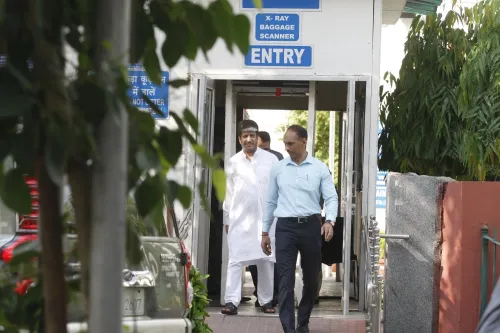
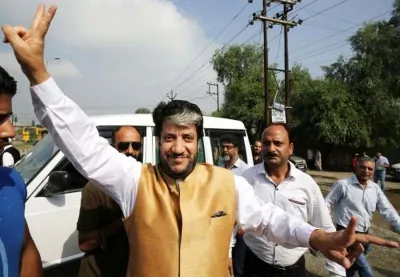
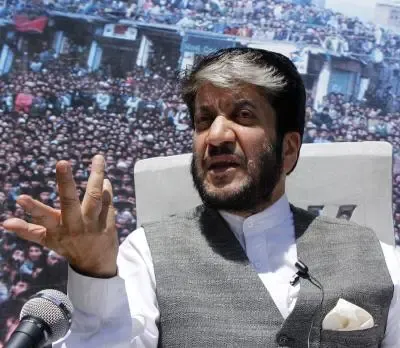
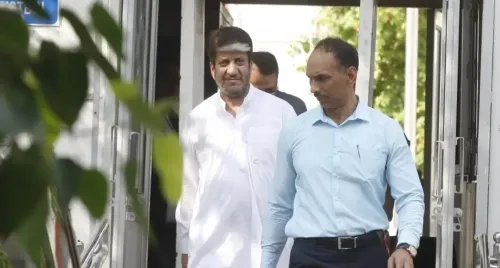
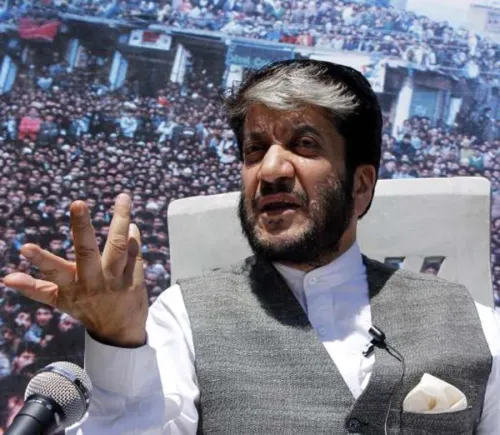
Srinagar, March 17 (NationPress) The Supreme Court has granted bail to Kashmiri separatist leader Shabir Shah, taking into account his age, the lengthy period of over eight years in prison, and the sluggish pace of the ongoing trial. However, the court has stipulated stringent bail conditions for him.
The bail order specifies that Shah is permitted to use only a single mobile device, which must remain operational at all times. He is prohibited from leaving Delhi without prior consent from the trial court and is barred from making any media statements regarding the case.
Additionally, the Supreme Court has mandated that Shah disclose to the special public prosecutor the contact details of the mobile and/or landline that he is allowed to utilize during the trial.
Highlighting the possibility of limiting personal liberty guaranteed under the Constitution due to prolonged detention, the apex court, on March 12, granted bail to the 74-year-old leader who has been incarcerated for an extended period.
“Without delving into the merits of the case and acknowledging the slim prospects of an expedited trial, coupled with the significant time already served and his advanced age, we are inclined to grant bail during the trial,” stated the bench comprising Justices Vikram Nath and Sandeep Mehta in a detailed order.
The court has imposed several conditions in addition to those that the trial court may set.
“He shall not leave Delhi without the trial court's approval. He is required to surrender any passport he possesses to the trial court,” the bench remarked. It also instructed him to report to the NIA investigating officer every two weeks, on either Wednesday or Thursday, between 10 a.m. and 11 a.m.
The bench further emphasized that Shah must not attempt to influence any witnesses or tamper with evidence.
“He shall provide a written assurance to the trial court affirming that he will not engage in any similar offenses while on bail. He is also prohibited from making any media comments regarding the current case or his involvement in it,” they stated.
The order further indicated that any violation of these conditions would grant the prosecution the right to seek bail cancellation.
“The appellant must submit an undertaking to the trial court outlining the aforementioned conditions, alongside any additional stipulations imposed by the trial court, within three days following his release,” the bench added.
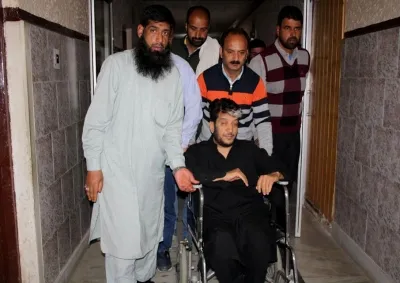
It noted that Shah, arrested by the National Investigation Agency (NIA), has been imprisoned for over eight-and-a-half years, emphasizing that extended detention, particularly when trial progress is minimal, is a crucial consideration in determining bail.
On September 4, 2025, the apex court denied interim bail to Shah and issued a notice to the NIA, requesting its response to his appeal challenging a Delhi High Court order from June 12, 2025, which denied him relief.
The high court had refused bail, citing concerns regarding the potential for Shah to continue unlawful activities or influence witnesses.
In 2017, the NIA charged 12 individuals with conspiracy to raise funds aimed at inciting unrest, including stone-pelting, damaging public property, and conspiring against the central government.
Shah was accused of having a “significant role” in facilitating a separatist agenda in Jammu and Kashmir by encouraging public demonstrations supporting secession, honoring families of deceased terrorists by labeling them as “martyrs,” receiving funds through hawala channels, and generating revenue through cross-LoC trade, which was purportedly used to promote subversive and militant actions.
Point of View
The Supreme Court's decision to grant bail to Shabir Shah, albeit under strict conditions, highlights the delicate balance between personal liberty and judicial oversight. This case underscores the need for timely legal proceedings, especially for individuals who have already endured extensive periods of detention.
NationPress
17 Sept 2026
Frequently Asked Questions
What conditions were imposed on Shabir Shah's bail?
Shabir Shah is required to use only one mobile phone, remain in Delhi without the trial court's permission, report to NIA every two weeks, and is prohibited from commenting on the case in the media.
Why was bail granted to Shabir Shah?
The Supreme Court considered his advanced age, the lengthy duration in custody, and the slow progress of the trial in deciding to grant bail.
What could happen if Shah violates the bail conditions?
If Shah violates any of the imposed conditions, the prosecution has the right to seek cancellation of his bail.
What has Shah been accused of?
Shah has been accused of facilitating a separatist movement in Jammu and Kashmir, including inciting public support for secession and engaging in unlawful funding activities.
What was the court's stance on the trial's progress?
The court noted that the minimal progress of the trial was a significant factor in their decision to grant bail, emphasizing the importance of personal liberty.