Is Kathmandu Mayor Balen Shah the RSP's Candidate for Prime Minister?
Synopsis
In a significant political move, the Rastriya Swatantra Party has announced Kathmandu Mayor Balen Shah as its Prime Ministerial candidate for the upcoming elections. This partnership with Rabi Lamichhane aims to reshape Nepal's political landscape, focusing on unity and reform as they prepare to challenge established parties. Can they lead the change Nepal needs?
Key Takeaways
Balen Shah nominated as RSP's Prime Ministerial candidate.
Alliance with Rabi Lamichhane signifies a united front.
Focus on reforms and accountability in Nepal's political landscape.
Upcoming elections on March 5 are critical for all parties.
Potential shift in power dynamics away from established parties.
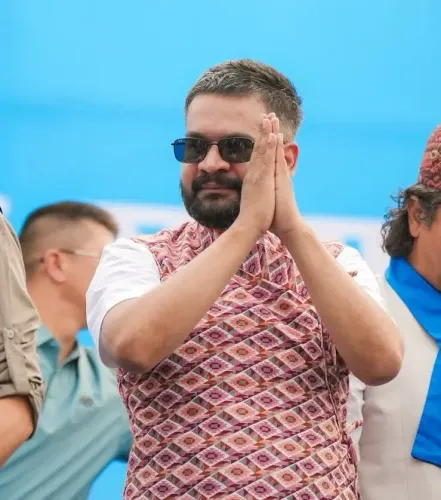
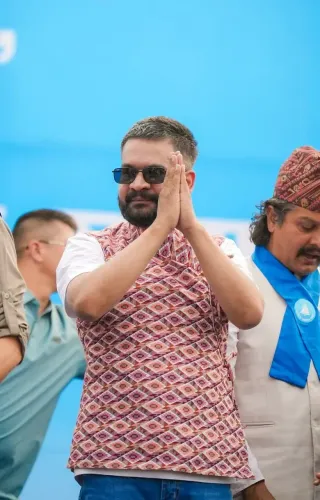
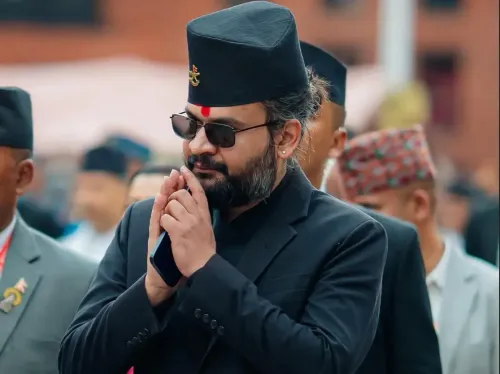
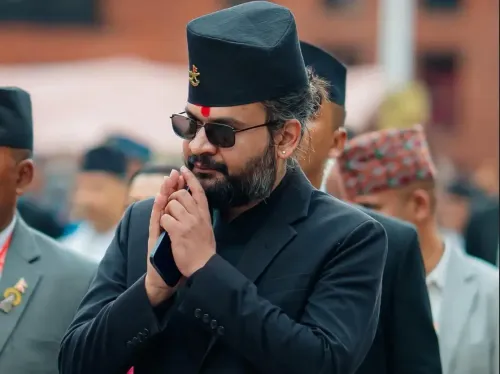
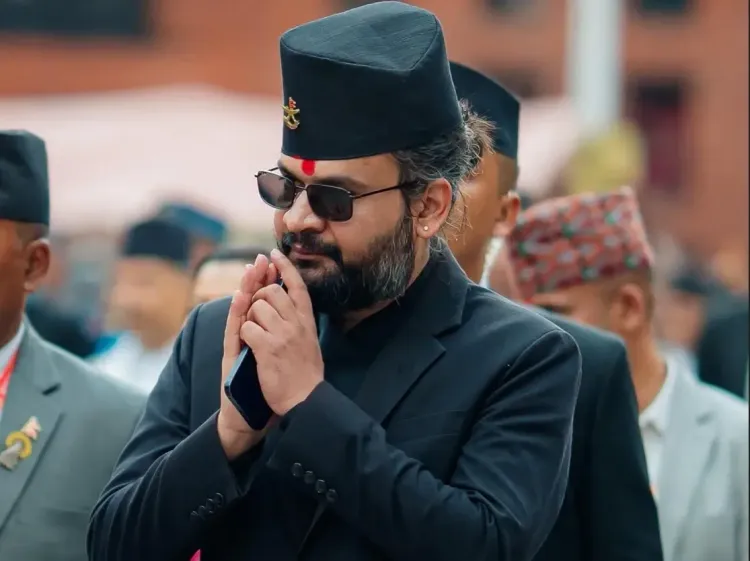
Kathmandu, Dec 28 (NationPress) The Rastriya Swatantra Party (RSP), recognized as the fourth-largest political entity in Nepal's dissolved House of Representatives, is set to enter the forthcoming parliamentary elections by endorsing Balen Shah, the Mayor of Kathmandu Metropolitan City, as its candidate for the position of the nation's Prime Minister.
After extensive discussions, RSP President Rabi Lamichhane and Shah reached a consensus on Sunday morning.
This agreement marks a commitment for both leaders to unite under the RSP banner as a political entity and to share governance responsibilities.
As outlined in a seven-point agreement, Lamichhane will assume the role of Central President of the RSP, while Shah will take the lead as the parliamentary party chief and the party's candidate for Prime Minister after the upcoming elections for the House of Representatives. This agreement significantly paves the way for Shah to transition from a city mayor to a potential national leader.
In recent days, the two parties have engaged in lengthy discussions in anticipation of the elections slated for March 5 next year, aiming to fortify their position against established political entities. Both parties characterize this agreement as a step toward greater political unity.
Shah, known for being a somewhat private mayor who seldom interacts with the media, has garnered a substantial following, especially among the youth, due to his initiatives to enhance public infrastructure and his vocal criticism of what he perceives as the “corrupt” leadership of traditional political parties.
An architect and rapper by trade, Shah has also been instrumental in the formation of the current government led by Prime Minister Sushila Karki following the Gen Z movement in early September.
Lamichhane, a former media figure with a considerable youth base, previously faced fraud allegations related to cooperative institutions after his entry into politics, leading to his incarceration. He was recently released on bail and has been working to unite Gen Z leaders and emerging political forces to bolster his party ahead of the elections.
“The alliance between Shah and Lamichhane for the upcoming elections could position them as formidable political players,” observed political analyst Arun Subedi earlier in an interview with IANS. “Such a partnership could shift the power dynamics in Nepal's political landscape by challenging the dominance of traditional parties.”
According to the agreement, the party will continue to operate under the name RSP, retaining its existing blue flag with a white circular center and blue bell symbol. The party's electoral symbol will be the bell, and its central office will remain in the Kathmandu Valley.
The agreement also specifies that roles within the party will be assigned by effectively integrating youth activists and seasoned experts, with a focus on qualifications, inclusivity, and public image. Relevant party documents will be updated in accordance with the Election Commission.
Both parties have also committed to pursuing in-depth policy, institutional, and structural reforms necessary to fulfill national goals of prosperity and social justice, laying the groundwork for economic and social progress and developing a cultured political practice, aiming to elevate Nepal to a respected middle-income nation within the next decade.
Point of View
It is crucial to recognize the strategic implications of the alliance between Balen Shah and Rabi Lamichhane. This collaboration not only enhances the RSP's position but also reflects a growing demand for political reform and accountability among the youth. With the elections approaching, the outcome of this partnership could significantly influence the political landscape of Nepal.
NationPress
2 Oct 2026
Frequently Asked Questions
What does the RSP stand for?
The Rastriya Swatantra Party (RSP) is a political party in Nepal that aims to promote democracy, accountability, and social justice.
When are the upcoming parliamentary elections in Nepal?
The parliamentary elections in Nepal are scheduled for March 5 next year.
What is the significance of the agreement between Shah and Lamichhane?
The agreement signifies a strategic alliance aimed at strengthening their political influence and addressing the demands for reform and accountability in Nepal.
What changes can be expected if Shah and Lamichhane succeed?
If successful, their partnership could lead to significant political reforms, a stronger representation of youth interests, and a challenge to the dominance of established political parties in Nepal.