What New Indian Standard Has Been Released for Electric Agricultural Tractors?
Synopsis
The newly released Electric Agricultural Tractors Test Code marks a pivotal move in India's agricultural sector, establishing standardized safety and performance testing for electric tractors. This initiative promises to enhance the adoption of sustainable farming technologies, enabling farmers to benefit from cleaner, more efficient machinery.
Key Takeaways
Standardized testing for electric agricultural tractors enhances safety and reliability.
The initiative supports sustainable farming practices.
Collaboration among industry stakeholders is crucial for innovation .
Electric tractors offer environmental benefits by reducing emissions.
The standard aligns domestic practices with global trends in agriculture.
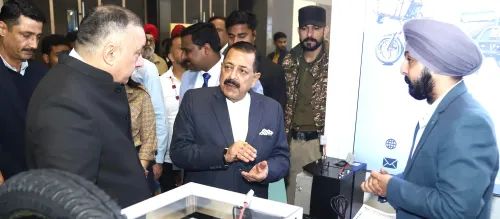
New Delhi, Dec 28 (NationPress) Union Consumer Affairs Minister Pralhad Joshi has unveiled the 'Electric Agricultural Tractors — Test Code', formulated by the Bureau of Indian Standards (BIS), aimed at ensuring the safety, reliability, and performance of electric agricultural tractors through standardized testing protocols nationwide, according to an official announcement made on Sunday.
The IS 19262:2025 ‘Electric Agricultural Tractors — Test Code’ establishes a shared framework among stakeholders regarding consistent terminology, general guidelines, and tests required for electric agricultural tractors, which include assessing PTO power, drawbar power, and evaluating the performance of belts and pulleys. Additionally, it addresses vibration measurements, specification verification, and inspections of various components and assemblies of electric agricultural tractors.
This standard draws from IS 5994: 2022 ‘Agricultural tractors — Test code’ and relevant Automotive Industry Standards tailored for electric vehicles, specifically adapted for agricultural usage. Implementing IS 19262: 2025 through authorized testing institutions is expected to encourage the widespread adoption of electric agricultural tractors in India, foster innovation in sustainable agricultural technologies, and contribute to lower emissions and eco-friendly agricultural mechanization.
The test data produced using the procedures established in IS 19262: 2025 is anticipated to provide a scientific foundation for assessing the performance and safety features of electric agricultural tractors. This data will also aid in developing acceptance criteria and conformity assessment frameworks specific to electric tractors. By standardizing testing procedures, the standard seeks to support manufacturers in delivering safe and reliable products, while instilling greater confidence in farmers and consumers regarding the performance and capabilities of electric agricultural tractors.
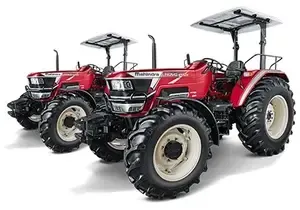
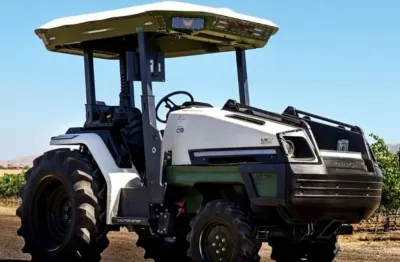
Electric agricultural tractors are becoming a vital part of India’s agricultural mechanization landscape. These tractors utilize electric motors powered by battery packs instead of traditional diesel engines for their operations. With swift advancements in battery technology, electric motors, and power electronics, electric tractors have significantly improved, leading to the creation of efficient machinery.
Offering a sustainable alternative to diesel-powered tractors, electric tractors bring benefits such as reduced emissions, lower operating costs, and enhanced operational performance. An electric tractor eliminates tailpipe emissions at the farm level, assisting in alleviating air pollution and the carbon footprint associated with agricultural activities.
Moreover, for farmers spending extensive hours in the fields, this technology creates a healthier work environment by significantly reducing noise and eliminating exposure to exhaust fumes. Additionally, with fewer moving parts than diesel engines, these tractors promise reduced maintenance needs, lower operational costs, and enhanced energy efficiency, thus decreasing diesel dependency in the agricultural sector and minimizing the consumption of natural resources required for diesel production.
As the adoption of electric agricultural tractors increases in the country, the lack of dedicated and harmonized testing protocols has created challenges in consistently evaluating their performance, safety, and reliability. In response to this need, the Mechanisation & Technology Division, Ministry of Agriculture & Farmers’ Welfare, requested the development of electric tractor standards as a priority, prompting the Bureau of Indian Standards to formulate an Indian Standard to establish standardized testing protocols for electric agricultural tractors.
The standard’s formulation involved significant contributions from key stakeholders, including electric tractor manufacturers, testing and certification agencies, research institutions, and experts in agricultural engineering and electric mobility. Representatives from the Ministry of Agriculture and Farmers’ Welfare, the ICAR-Central Institute of Agricultural Engineering in Bhopal, the Central Farm Machinery Training and Testing Institute in Budni, the Tractor and Mechanisation Association in New Delhi, the Automotive Research Association of India in Pune, and the All India Farmers Alliance in New Delhi have all played crucial roles in this standard’s development.
The notification of this voluntary standard signifies a significant advancement in fortifying India’s standardization framework for emerging technologies in agriculture while aligning domestic practices with evolving international trends in electric mobility and agricultural mechanization.
Point of View
It is essential to recognize the implications of this significant standard in the evolving landscape of agricultural mechanization in India. The introduction of standardized testing for electric tractors is not just a regulatory requirement; it symbolizes a commitment to sustainable agriculture and the future of farming technology.
NationPress
20 Sept 2026
Frequently Asked Questions
What is the purpose of the Electric Agricultural Tractors Test Code?
The Electric Agricultural Tractors Test Code aims to ensure the safety, reliability, and performance of electric agricultural tractors through standardized testing protocols.
Who developed the Electric Agricultural Tractors Test Code?
The code was developed by the Bureau of Indian Standards (BIS) with input from various stakeholders including manufacturers and technical experts.
How does this standard benefit farmers?
By establishing uniform testing procedures, this standard enhances trust in electric tractors, ensuring safer and more efficient machinery for farmers.
What are the environmental benefits of electric agricultural tractors?
Electric tractors reduce emissions and lower the carbon footprint of agricultural operations, contributing to cleaner air and sustainability.
Is the Electric Agricultural Tractors Test Code mandatory?
The notification of this standard is voluntary, allowing manufacturers the option to comply while promoting best practices.