How Can Awareness Protect Women’s Rights? NCW Chairperson Explores
Synopsis
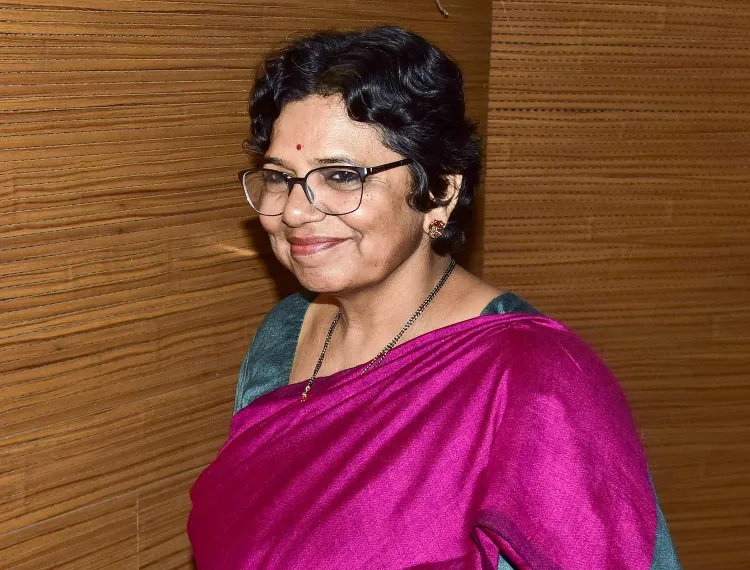
In a crucial visit to Assam’s Dibrugarh district, NCW Chairperson Vijaya Rahatkar engages with women on key issues like empowerment and safety. This visit aims to address pressing concerns and enhance the protection of women's rights in the region.
Key Takeaways
Empowerment and awareness are crucial for women's rights.
Collaboration among agencies is essential to tackle human trafficking .
Legal rights education can help women make informed decisions.
Timely rescue and rehabilitation are vital for survivors.
Community participation is key to creating a safe environment for women.
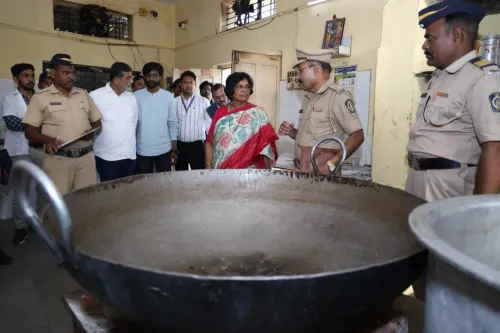
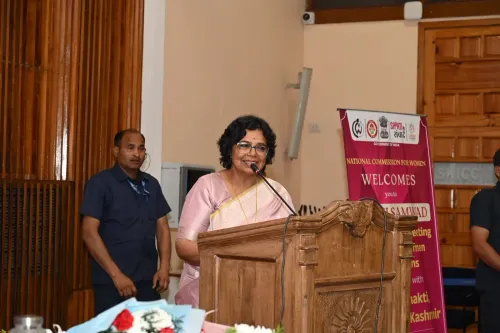
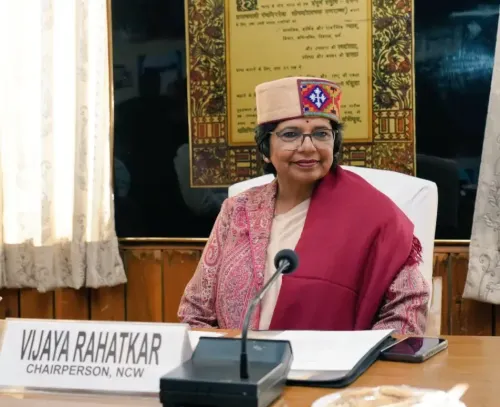
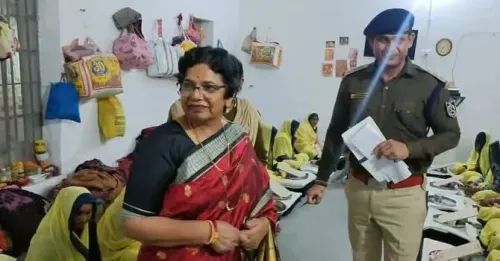
Guwahati, Jan 8 (NationPress) The Chairperson of the National Commission for Women (NCW), Vijaya Rahatkar, made a significant visit to Dibrugarh district in Assam on Thursday. During her time there, she engaged with women from various backgrounds, attentively hearing their concerns regarding issues like empowerment, safety, education, domestic violence, and access to government welfare programs.
In an interactive session, participants voiced their challenges, which ranged from social security and legal awareness to struggles with family violence and achieving economic independence.
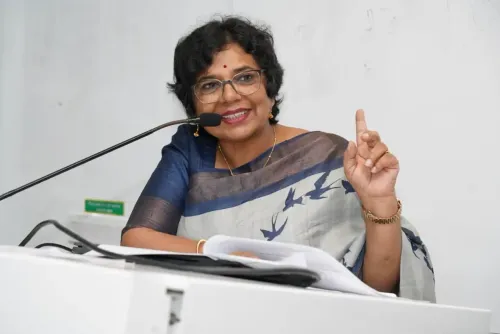
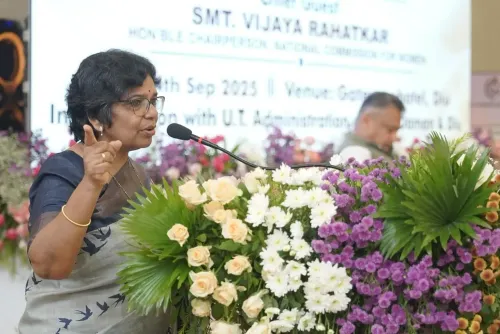
Rahatkar responded empathetically, informing them about their legal rights and the protective measures available through different laws and schemes. She emphasized the importance of raising awareness and fostering self-reliance among women as essential for protecting their rights and making informed choices.
She urged women to seek institutional support whenever they face violations of their rights.
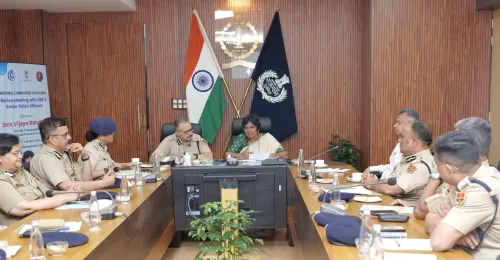
A significant part of her visit included a comprehensive review of the human trafficking problem, which Rahatkar indicated as a serious and intricate offense needing coordinated efforts.
She held discussions with representatives from the Anti-Human Trafficking Unit (AHTU), analyzing the current situation in the district, the challenges in investigations, and the coordination between districts and states regarding the rehabilitation of survivors.
Rahatkar advocated for a multi-agency strategy, calling for enhanced collaboration among police, district administration, social organizations, and NGOs to effectively combat trafficking.
She praised the local administration and law enforcement's efforts in addressing crimes against women, while emphasizing the necessity of a victim-centric approach in both investigation and prosecution.
According to her, timely rescue, counseling, legal support, and rehabilitation play vital roles in restoring dignity and confidence among survivors.
Reiterating NCW's commitment, Rahatkar assured that the Commission will continue to provide robust support to enhance women's safety and empowerment nationwide.
She mentioned that continuous awareness campaigns, building capacity within enforcement agencies, and fostering community participation are crucial in establishing a secure and supportive environment for women.
Officials noted that this visit is part of NCW's outreach efforts aimed at grasping grassroots realities and strengthening institutional mechanisms for women's welfare and protection.
Point of View
The engagement of the NCW Chairperson with women in Assam is a vital step toward understanding and addressing the grassroots realities surrounding women's rights. The commitment to legal education and institutional support is commendable, reflecting a proactive approach to safeguarding women's interests across the country.
NationPress
26 Sept 2026
Frequently Asked Questions
What is the purpose of NCW Chairperson's visit to Assam?
The visit aims to engage with women in Dibrugarh district on issues of empowerment, safety, education, domestic violence, and access to welfare schemes, while also addressing human trafficking.
How does NCW support women's rights?
NCW provides legal information, protection mechanisms, and encourages institutional support for women whose rights are violated.
What issues were discussed during the visit?
Key issues included social security, legal awareness, family violence, economic independence, and human trafficking.
What strategies were proposed to combat human trafficking?
A multi-agency approach was recommended, emphasizing collaboration among law enforcement, administration, and NGOs.
What is the importance of creating awareness among women?
Creating awareness empowers women to protect their rights and make informed decisions, enhancing their overall safety and independence.