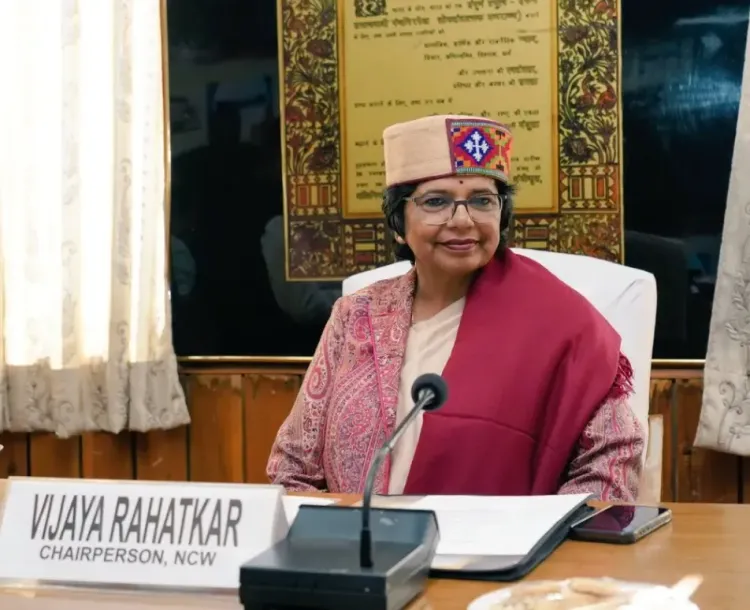
How is NCW Chief Vijaya Rahatkar Addressing Women's Safety in Himachal Colleges?
Synopsis
In a significant move towards improving campus safety and empowering young women in higher education, NCW Chief Vijaya Rahatkar led a crucial consultation in Shimla. This initiative aims to strengthen institutional accountability and create a supportive environment for female students, ensuring their educational journey is secure and empowering.
Key Takeaways
Active Engagement: Internal committees must be actively involved, not just formalities.
Transparency in Complaints: Addressing grievances with transparency builds trust among female students.
Empowerment through Education: Educated women are pivotal in driving India's future.
Collaboration among Stakeholders: Effective measures require cooperation from all parties involved.
Safety Protocols: Clear operating procedures and improved security measures are essential for creating a safe environment.
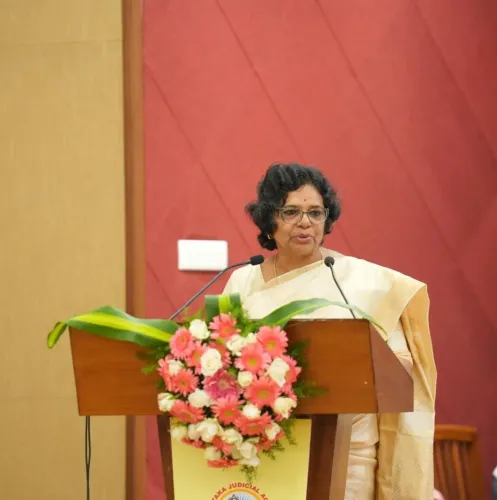
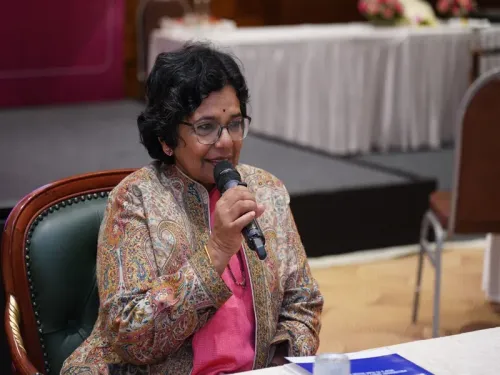
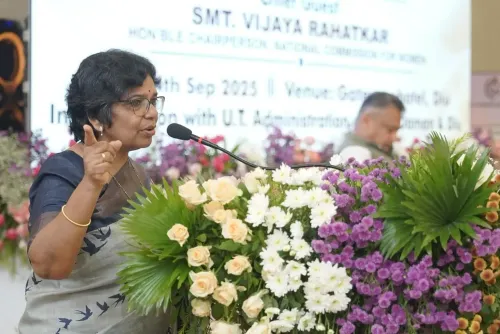
Shimla, Feb 12 (NationPress) In an effort to enhance campus security, ensure institutional accountability, and empower young women pursuing higher education, the National Commission for Women (NCW) convened a state-level dialogue focused on the safety of female students in higher educational institutions on Thursday in Shimla, as stated by an official.
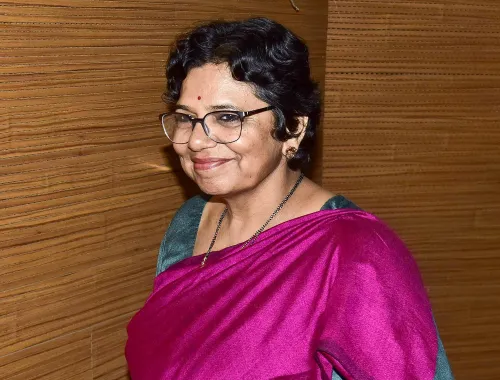
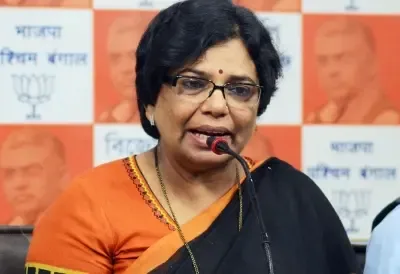
NCW Chairperson Vijaya Rahatkar asserted that university administrations must ensure that internal committees are not merely formalities but are actively engaged.
She stressed the importance of addressing complaints with transparency, accountability, and confidentiality, as this builds trust among female students, showcasing that their institution supports them — a vital aspect of a safe educational space.
Highlighting the significance of safety, Rahatkar remarked, "When a daughter enters a college or university, she comes not just to learn but to fulfill her aspirations — aspirations of becoming independent and contributing to her family and country."
She also noted the role of female students, stating, "The rapid evolution of India’s landscape is significantly influenced by educated daughters. These women, emerging from universities and colleges, are now pioneering innovations in scientific labs, influencing policies in civil services, creating jobs through startups, and serving as the backbone of our nation in the Army, police, judiciary, and academia."
"These very daughters, who once faced barriers to education, are now integral to ISRO's mission teams, AI and technology research, medical and public health initiatives, and local governance," she added.
In a social media update on platform X, Rahatkar explained that the purpose of the consultation in Himachal Pradesh was "to identify existing challenges, evaluate the institutional framework, assess the current state of safety protocols for women, and foster collaboration among stakeholders."
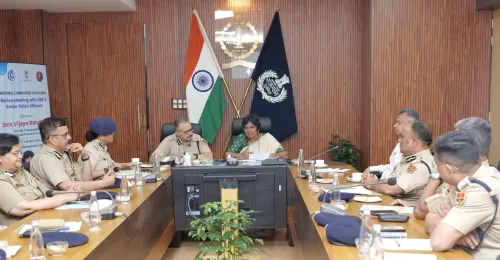
The consultation engaged senior officials from the state police, representatives from the state administration, university vice-chancellors, registrars, deans, principals of higher educational institutions, senior professors, members of POSH Internal Committees, legal experts, and student leaders.
"During the dialogue at Bachat Bhawan in Shimla, vice-chancellors and senior educators recommended institutionalizing awareness programs, gender sensitivity training, student-teacher dialogue forums, and regular reviews of internal committees," stated an official report.
There was also a call for establishing clear standard operating procedures at universities, enhancing grievance mechanisms through digital options, and reinforcing hostel and campus security measures.
Point of View
I believe that the discussion led by NCW's Vijaya Rahatkar is pivotal for women's empowerment in education. By addressing safety issues and promoting accountability, we are taking steps toward a more inclusive society. It is essential for educational institutions to prioritize women's safety, fostering an environment where every student can pursue their dreams without fear.
NationPress
22 Sept 2026
Frequently Asked Questions
What was the purpose of the NCW consultation in Shimla?
The NCW consultation aimed to discuss challenges, assess safety measures, and collaborate among stakeholders to enhance women's safety in higher educational institutions.
Who attended the NCW consultation?
The consultation included senior officials from the state police, university administrators, legal experts, and student leaders.
What recommendations were made during the consultation?
Recommendations included institutionalizing awareness programs, gender sensitivity training, and improving grievance mechanisms for students.
Why is women's safety in education important?
Women's safety in education is crucial for empowering female students to pursue their academic and career aspirations confidently.
How can universities improve safety for female students?
Universities can improve safety by actively engaging internal committees, establishing clear procedures, and enhancing security measures.