NCW's Shakti Samvaad in Srinagar unites 20 states on women's rights
Synopsis
For the first time, the NCW convened its Shakti Samvaad multi-state conclave in Srinagar, drawing representatives from 20 states to reset how India's women commissions coordinate. The choice of venue — J&K — is as deliberate as the agenda: it signals a national integration of women's policy and a push to move commissions from passive grievance bodies to active institutions of trust and justice.
Key Takeaways
The NCW held a two-day Shakti Samvaad programme in Srinagar on 17 May 2025 .
Representatives from 20 states participated, including Chairpersons, members, and member secretaries of State Women Commissions.
NCW Chairperson Vijaya Rahatkar called for women's commissions to evolve into institutions of 'trust, justice, and support' beyond grievance redressal.
MoS Jitendra Singh highlighted women from J&K as key contributors to India's 'Developed India by 2047' vision.
Sessions covered legal frameworks, workplace dignity, digital access, and institutional coordination for women's welfare.
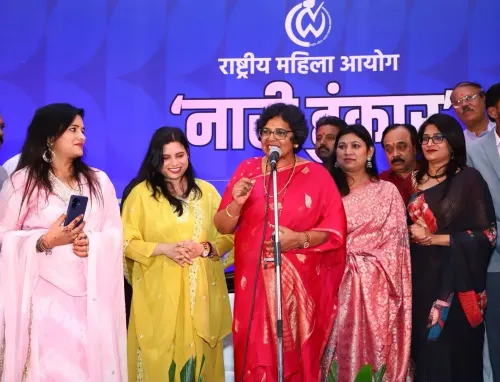
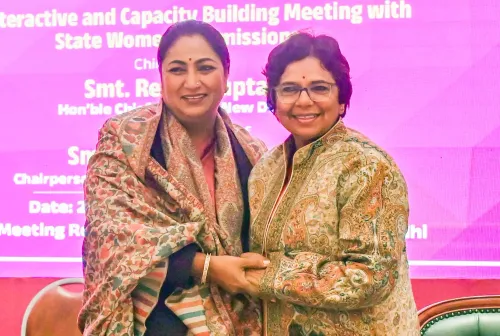
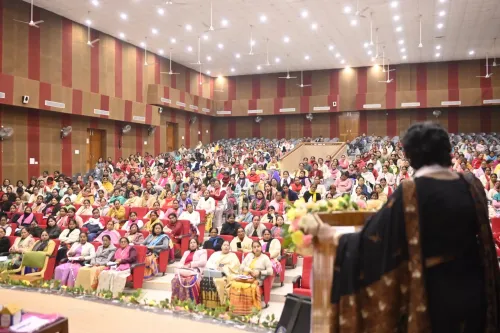
The National Commission for Women (NCW) convened a two-day 'Shakti Samvaad' programme in Srinagar over the weekend of 17 May, bringing together Chairpersons, members, and member secretaries of State Women Commissions from 20 states to strengthen institutional coordination for women's empowerment across India.
Purpose and Participation
The programme was designed to build stronger operational links between the NCW and its state-level counterparts, with a focus on capacity building, policy dialogue, and coordinated responses to challenges facing women nationwide. Representatives deliberated on evolving legal frameworks, workplace dignity, and institutional mechanisms to address emerging concerns affecting women across different regions.
What NCW Chief Vijaya Rahatkar Said
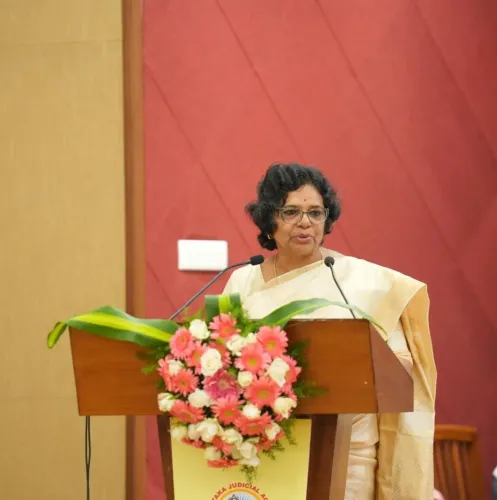
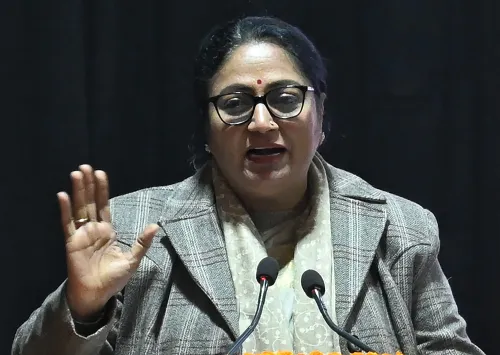
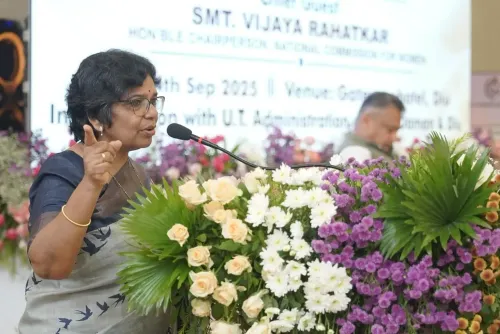
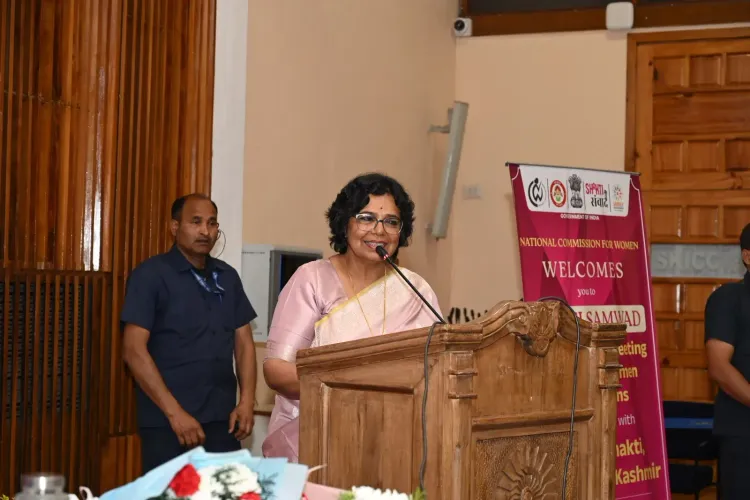
NCW Chairperson Vijaya Rahatkar, addressing the inaugural session, called for a shift in how women's commissions are perceived and function. 'Today, there is a need not only to create schemes and policies but also to build a responsive ecosystem. Such an ecosystem where the NCW becomes not just a platform for grievance redressal but a centre of trust, justice, and support,' she said.
Rahatkar added that Shakti Samvaad is 'not merely a program, it is a living symbol of the collective resolve of India's women power.' She stressed that while women are making significant contributions in governance, judiciary, science, media, and public life, ensuring their safety, dignity, and equal opportunities remains a shared institutional responsibility.
Minister Jitendra Singh on Women-Led Development
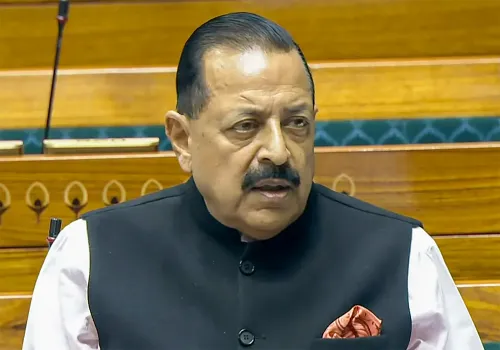
Jitendra Singh, Minister of State in the Prime Minister's Office, attended as Chief Guest and highlighted the growing role of women in Jammu and Kashmir. 'The Women of Jammu and Kashmir are emerging as a strong force of progress and leadership. Our daughters are excelling in education, civil services, and innovation, and they will play a major role in shaping the future of a Developed India by 2047,' he said.
Singh underscored that science and technology are powerful enablers of social transformation, capable of expanding women's access to education, healthcare, entrepreneurship, and digital opportunities. He called for coordinated institutional efforts and sustained policy support to advance women-led development.
Key Deliberations
Participants and domain experts shared insights on strengthening legal protections, improving grievance redressal timelines, and building institutional trust among women seeking support. The sessions also examined how digital tools can be leveraged to extend the reach of women's commissions to underserved communities.
Significance of the Srinagar Venue
Holding the programme in Srinagar — the first such multi-state women's commission conclave in Jammu and Kashmir — carries symbolic weight, reflecting the Centre's broader push to integrate the Union Territory into national policy dialogues. It also spotlights the progress of women in the region since the reorganisation of J&K in 2019. The next steps, including any follow-up action framework from the deliberations, are expected to be communicated by the NCW in the coming weeks.
Point of View
Not a logistical coincidence. The NCW is using the conclave to reframe women's commissions — long seen as slow-moving complaint desks — as proactive institutions, but the rhetoric needs structural follow-through. Coordination meetings matter only if they produce enforceable timelines and measurable outcomes. With 20 states at the table, the pressure is now on the NCW to publish an action framework from these deliberations, or risk Shakti Samvaad becoming another well-photographed policy ritual.
NationPress
21 Sept 2026
Frequently Asked Questions
What is the NCW's Shakti Samvaad programme?
Shakti Samvaad is a multi-state coordination programme organised by the National Commission for Women (NCW) to strengthen institutional linkages between the NCW and State Women Commissions. The edition held in Srinagar on 17 May 2025 brought together representatives from 20 states to discuss capacity building, legal frameworks, and women's empowerment policy.
Why was Shakti Samvaad held in Srinagar?
The NCW chose Srinagar as the venue to spotlight women's progress in Jammu and Kashmir and integrate the Union Territory into national women's policy dialogues. It is reportedly the first such multi-state women's commission conclave held in J&K.
Who attended the Shakti Samvaad programme?
The programme was attended by Chairpersons, members, and member secretaries of State Women Commissions from 20 states. NCW Chairperson Vijaya Rahatkar addressed the inaugural session, and MoS Jitendra Singh attended as Chief Guest.
What did NCW Chairperson Vijaya Rahatkar emphasise at Shakti Samvaad?
Rahatkar called for building a 'responsive ecosystem' where the NCW functions as a centre of trust, justice, and support — not merely a grievance redressal platform. She stressed that ensuring women's safety, dignity, and equal opportunity is a collective institutional responsibility.
What topics were discussed at the Shakti Samvaad conclave?
Participants deliberated on evolving legal frameworks, workplace dignity, institutional responses to emerging challenges, and the role of science and technology in expanding women's access to education, healthcare, entrepreneurship, and digital opportunities.