Will India's GDP Increase by 6.6% by FY27 Fueled by the Digital Economy, AI, and the Silver Economy?
Synopsis
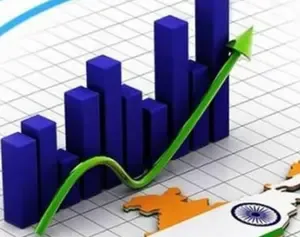
India's GDP is forecasted to grow by 6.6% by FY27, primarily driven by advancements in the digital economy, AI technology, and the burgeoning silver economy. This report highlights the nation's transformation into a global leader in digital infrastructure and identifies key sectors fueling this growth.
Key Takeaways
Projected GDP Growth: 6.6% by FY27.
Digital Economy: Anticipated to grow faster than the overall economy.
AI Contribution: Expected to add $600 billion to GDP in the next decade.
Silver Economy: Senior population set to reach 347.2 million by 2050.
Maritime Trade: Projected to exceed 7,100 million metric tonnes by 2047.
New Delhi, Jan 8 (NationPress) India's GDP is projected to experience a growth of approximately 6.6% by FY27, propelled by key sectors such as the digital economy, artificial intelligence, quick commerce, tourism, the silver economy, and green ports, as stated in a recent report.
The report from Dun & Bradstreet, a business data analytics firm, indicates that the digital economy is anticipated to expand nearly twice as quickly as the overall economy, contributing to almost 20% of gross value added by the year 2030.
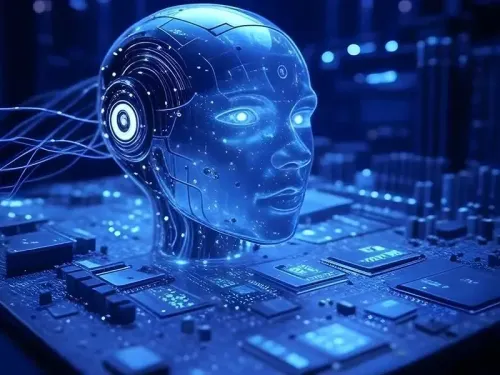
The adoption of AI is set to proliferate across banking, financial services, and insurance (BFSI), manufacturing, and healthcare sectors, with the capability to enhance GDP by $600 billion over the next decade. Cities like Mumbai, Chennai, and Hyderabad are emerging as significant data center hubs, solidifying India's status as a leader in global digital infrastructure.
Furthermore, the health-tech ecosystem in India is on the rise with the senior population projected to reach approximately 347.2 million by 2050, leading to a flourishing care and silver economy characterized by the development of senior living communities in both metropolitan and Tier-2 cities.
In terms of maritime trade, the report forecasts that trade volume is expected to surpass 7,100 million metric tonnes annually by 2047, with equal contributions from both container and non-container cargo.
Green port initiatives under the Harit Sagar program, including shore power, hydrogen or ammonia bunkering, and retrofits, are projected to gain traction by 2026.
Dun & Bradstreet anticipates a stable macroeconomic landscape, asserting that India's forthcoming growth wave will be driven by digitized logistics, reliable data, clean energy, and revitalized urban productivity.
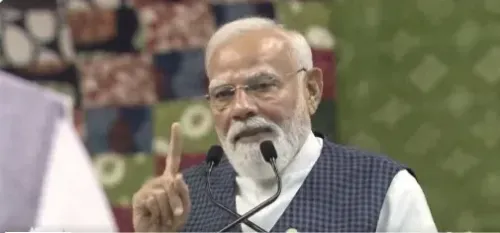
"The nation is set to amplify investments in productivity, technology, and clean energy. Emerging sectors such as AI, green ports, quick commerce, and the silver economy will enhance competitiveness and foster inclusive growth opportunities across various regions and industries," remarked Arun Singh, Global Chief Economist at Dun & Bradstreet.
Singh stressed the importance of attracting private investment, strengthening human capital, and utilizing policy support to enable sustainable transformation.
Investment in Tier-2 and Tier-3 cities will continue to rise, making them attractive locations for technology firms and talent pools, with semiconductor and advanced manufacturing projects invigorating local economies.
Point of View
This report underscores India's robust economic potential and the dynamic sectors that will play a pivotal role in shaping its future. The focus on technology and sustainability aligns with global trends, positioning India favorably for inclusive growth in the coming years.
NationPress
13 Oct 2026
Frequently Asked Questions
What is the projected GDP growth for India by FY27?
India's GDP is projected to grow by approximately 6.6% by FY27.
Which sectors are driving India's GDP growth?
Key sectors include the digital economy, artificial intelligence, quick commerce, tourism, the silver economy, and green ports.
What is the significance of AI in India's economy?
AI adoption is expected to significantly boost GDP, contributing an estimated $600 billion over the next decade.
How is the silver economy expected to impact India?
With the senior population projected to reach 347.2 million by 2050, the silver economy will create opportunities in senior care and living communities.
What are the expectations for maritime trade in India?
Maritime trade volumes are expected to exceed 7,100 million metric tonnes annually by 2047.