How has Balochistan's alienation been shaped by disrupted political processes and contested resource sharing?
Synopsis
A recent report sheds light on Balochistan's complex alienation in Pakistan, driven by broken political processes and resource disputes. The ongoing insurgency and the state's security-centric approach continue to impact the region's social fabric and governance. Understanding these dynamics is crucial for addressing the deep-rooted issues affecting Balochistan's citizens.
Key Takeaways
Balochistan's alienation is shaped by historical and ongoing political challenges.
The insurgency is a complex issue, not solely linked to Bugti's death.
The State's security-centric approach exacerbates tensions.
Development efforts are often perceived as top-down and out of touch.
Free speech and dissent are critical for addressing grievances.
Quetta, Feb 10 (NationPress) The alienation of Balochistan within Pakistan has been influenced by broken political processes, ineffective civilian governance, and disputed resource distribution, according to a recent report. The insurgency within Balochistan did not originate solely from the killing of Baloch leader Nawab Akbar Bugti in August 2006; rather, this event exacerbated the conflict, radicalized factions, and shifted the social dynamics, the report noted.
In an opinion piece for The News International, Naazir Mahmood, Dean of the Faculty of Liberal Arts at a private university in Karachi, articulated that Balochistan is predominantly viewed as a security dilemma, where dissent is interpreted as disloyalty instead of legitimate democratic disagreement. The repercussions of this view are now manifesting with heightened intensity.
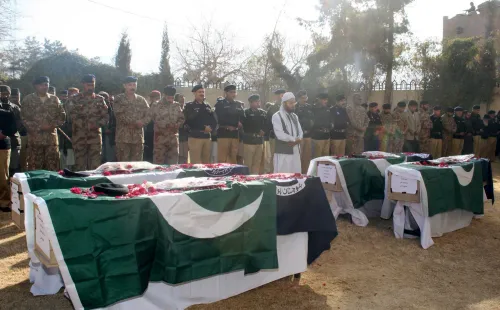
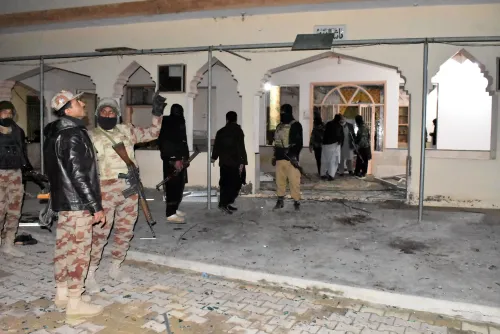
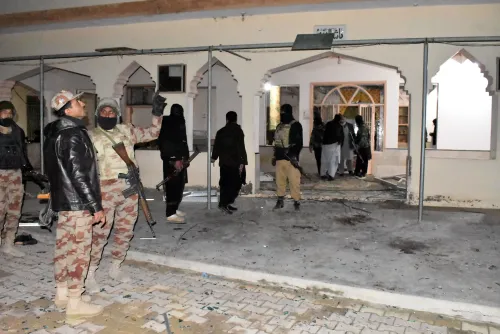
Attacks targeting both civilians and security personnel have plagued Balochistan, with such actions being indefensible by any political or ethical standards. The State bears the responsibility of protecting its citizens and maintaining public order, which may necessitate the use of force; however, relying solely on force is not a viable long-term strategy. Years of engagement in Balochistan reveal that the issues extend far beyond mere militancy, as Mahmood emphasized.
Mahmood has engaged extensively with various stakeholders across Balochistan, including political activists, lawyers, educators, and ordinary citizens, through his work with the UN and the Human Rights Commission of Pakistan. His findings consistently highlight a political and governance vacuum that predates and persists beyond any specific insurgent group. Balochistan's alienation is deeply rooted in a history of fractured political processes, weak civilian governance, and contentious resource allocation, exacerbated by the repeated dismissal or ineffectiveness of elected governments.
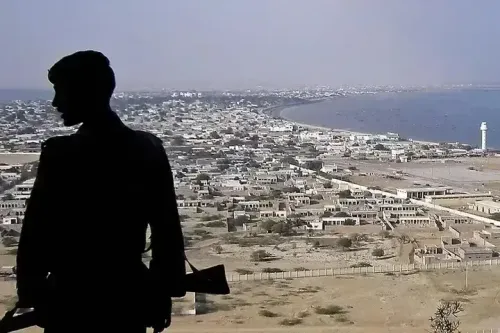
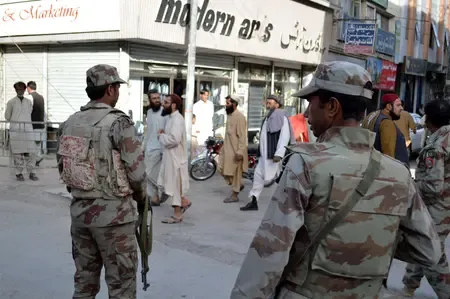
For many residents of Balochistan, their interaction with the State occurs primarily at security checkpoints rather than through schools, courts, or healthcare systems. Development initiatives are often perceived as externally imposed and inadequately consultative, leading to a perception of governance that feels distant and unaccountable. Despite numerous security operations, violent incidents have increased in complexity and frequency, demonstrating the ability of armed groups to execute coordinated attacks in various areas.
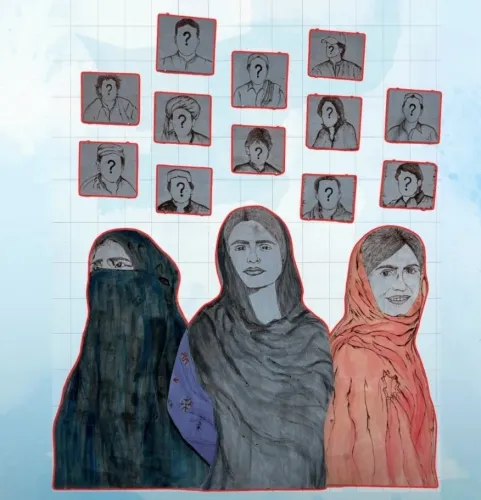
Public sentiment in Balochistan suggests that avenues for peaceful dissent have been systematically curtailed. The State has begun to regulate and criminalize free speech rather than addressing the underlying legitimacy issues. Laws intended to combat cybercrime and terrorism have increasingly targeted journalists, activists, and lawyers. Advocacy related to enforced disappearances, criticism of security policies, and dissenting voices expressed on social media have been deemed criminal offenses.
Mahmood asserted that Balochistan cannot be coerced into loyalty, nor can its grievances be legislated away. A government that listens demonstrates confidence, while one that silences reveals insecurity. Treating Balochistan merely as a persistent security issue and viewing dissent as a threat to be eradicated has led Pakistan to a current impasse. Engaging Balochistan as a political ally and recognizing dissent as a vital democratic component is a far more challenging yet necessary approach.
Point of View
It is crucial to recognize the historical context of Balochistan's challenges. Acknowledging the need for political dialogue and sustainable governance solutions is essential for fostering unity and progress. The nation's future hinges on addressing Balochistan's grievances with respect and understanding.
NationPress
19 Sept 2026
Frequently Asked Questions
What are the main factors contributing to Balochistan's alienation?
Balochistan's alienation is influenced by interrupted political processes, weak civilian administration, and contested resource sharing.
How has the insurgency in Balochistan evolved?
The insurgency did not start with Nawab Akbar Bugti's killing but was exacerbated by it, altering its social base and radicalizing factions.
What role does the State play in Balochistan's issues?
The State's focus on viewing Balochistan primarily as a security issue has led to a neglect of the underlying political and governance deficits.
How do residents perceive development initiatives?
Many residents view development initiatives as externally imposed and insufficiently consultative, contributing to feelings of alienation.
What is the significance of free speech in Balochistan?
The regulation of speech and criminalization of dissent undermine the legitimacy of governance and escalate tensions in the region.