Bangladesh Gen Z protests over HSC exam crisis and 'farm chicken' remark
Synopsis
Bangladesh's Gen Z protesters are back on the streets — this time over a flooding-hit exam season and an Education Minister who reportedly called students 'farm chickens.' The viral audio clip turned a logistical crisis into a political one, forcing Prime Minister Tarique Rahman into an emergency meeting within days of the BNP government's first major youth backlash.
Key Takeaways
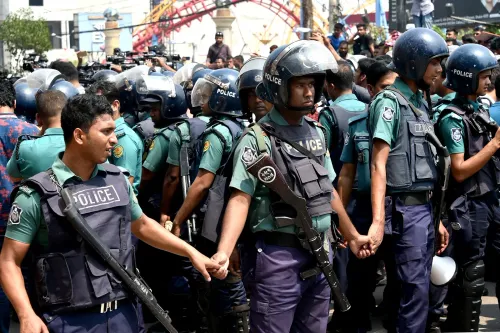
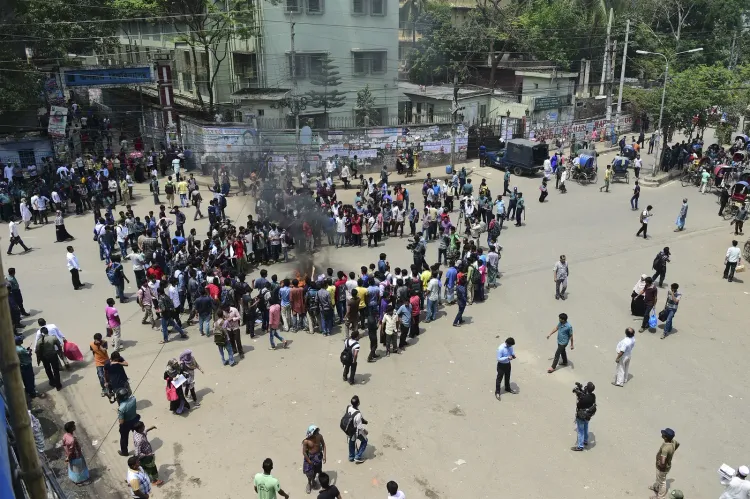
Gen Z students staged protests in at least 13 districts across Bangladesh, including Dhaka , Chittagong , and Comilla .
The HSC examinations , involving nearly 1.3 million candidates , were disrupted by flooding from 2 July onwards; exams were suspended in five districts under the Chittagong Education Board .
Education Minister A N M Ehsanul Hoque Milon sparked outrage after an audio clip in which he reportedly called students 'farm chickens' went viral.
Prime Minister Tarique Rahman held an emergency meeting with Milon on 14 July ; Milon apologised in Parliament and announced fresh exam arrangements on 15 July .
The unrest is the BNP government's first major confrontation with student protesters, less than five months after taking power.
Bangladesh has been swept by a fresh wave of student unrest, with Gen Z protesters taking to the streets across Dhaka and other cities to demand education reforms, less than five months after the Bangladesh Nationalist Party (BNP) government assumed power. The demonstrations, which spread to at least 13 districts, were ignited by a combination of exam disruptions caused by severe flooding and an inflammatory remark by Education Minister A N M Ehsanul Hoque Milon.
Floods Disrupt HSC Examinations
The Higher Secondary Certificate (HSC) and equivalent examinations, which commenced on 2 July and involved nearly 1.3 million candidates, were thrown into disarray during their second week when torrential rains triggered widespread flooding across Bangladesh. The Chittagong region bore the worst of the deluge, while severe waterlogging paralysed major cities including Dhaka and Chittagong.
The Ministry of Education suspended examinations in five districts under the Chittagong Education Board, but the decision to keep exams running in other boards drew sharp criticism. According to reports, students in areas such as Comilla were forced to wade through knee-deep water, arrive drenched, and sit for high-stakes papers while ill or mentally unprepared. 'Examinees had to reach their centres by wading through knee-deep water, getting drenched, and facing storms and rain,' one account noted, adding that anger among students and parents was a natural consequence of such conditions.
The 'Farm Chicken' Remark That Sparked Outrage
The protests escalated sharply after an audio clip of Education Minister Milon speaking on the phone with the parent of a female examinee went viral on social media. In the recording, Milon was heard apparently saying: 'In a meeting, someone was saying that if my daughter gets a little wet, she gets a fever. I said that these are farm chickens. If they get a little wet, they get a fever.'
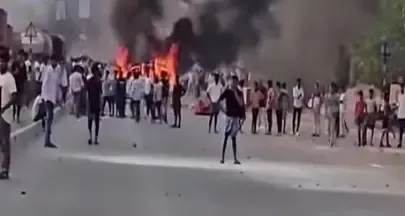
The reference to students as 'farm chickens' drew immediate and widespread condemnation. Protesters in Dhaka turned the slur into a rallying cry, chanting sarcastic slogans such as 'Who are you? Who are we? Farm chicken!' while blocking key intersections in the capital. Demonstrations were reported in at least 13 districts, including Dhaka, Chittagong, and Comilla, where students surrounded education board offices, blocked roads, and held rallies.
Government Response and Apology
Amid escalating unrest, Prime Minister Tarique Rahman convened an emergency meeting with Education Minister Milon at the Parliament building on 14 July. Following the meeting, Milon issued a public apology in Parliament, acknowledging the hardships students had faced due to rain and waterlogging. On 15 July, he announced that fresh examination arrangements would be made for students who had been unable to appear for their papers.
Broader Implications for the BNP Government
The protests mark the second major test of public patience with the BNP administration within its first five months in office. Analysts note that Bangladesh's student population — the same demographic that drove the political upheaval preceding the BNP's return — remains highly mobilised and sensitive to perceived governmental indifference. Commentators have urged the government to demonstrate 'greater sensitivity, foresight, and sincerity' to prevent grievances from escalating further. The episode also underscores the fragility of institutional trust in Bangladesh's education system, where administrative decisions during crises can rapidly become political flashpoints. Whether the government's apology and remedial exam announcement will be sufficient to contain the unrest remains to be seen.
Point of View
And it will not absorb ministerial contempt quietly. The BNP's swift damage-control response shows it understands the threat, but an apology and a rescheduled exam are reactive measures, not structural ones. If the government fails to institutionalise crisis protocols for examinations — particularly in a country as flood-prone as Bangladesh — this cycle of disruption, outrage, and last-minute concession will repeat itself.
NationPress
16 Oct 2026
Frequently Asked Questions
Why are students protesting in Bangladesh in July 2025?
Students are protesting over two overlapping crises: the disruption of HSC examinations by severe flooding, which left many candidates unable to sit their papers under safe conditions, and a viral audio clip in which Education Minister A N M Ehsanul Hoque Milon reportedly referred to students as 'farm chickens.' Demonstrations spread to at least 13 districts across Bangladesh.
What is the 'farm chicken' remark and who made it?
Bangladesh Education Minister A N M Ehsanul Hoque Milon was heard in a leaked audio clip apparently saying that students who fall ill after getting wet are like 'farm chickens.' The remark, made during a phone conversation with a student's parent, went viral and became the central flashpoint of the protests.
How were the HSC exams affected by flooding?
The HSC examinations, which began on 2 July and covered nearly 1.3 million candidates, were disrupted when torrential rains caused widespread flooding in the Chittagong region and severe waterlogging in Dhaka and other cities. The Ministry of Education suspended exams in five districts under the Chittagong Education Board but kept them running elsewhere, drawing student anger.
How did the Bangladesh government respond to the protests?
Prime Minister Tarique Rahman convened an emergency meeting with Education Minister Milon at the Parliament building on 14 July. Milon subsequently apologised in Parliament for his remarks and on 15 July announced that fresh examination arrangements would be made for students who had been unable to appear.
What does this unrest mean for the BNP government?
The protests represent the BNP administration's first significant confrontation with student demonstrators, arriving less than five months after the party came to power. Given that Bangladesh's Gen Z was central to the political upheaval that preceded the BNP's return, the episode signals that the government faces a highly mobilised and politically aware youth base that will hold it to account.