Bangladeshi man travels to Burdwan to return stolen smartphone smuggled from India
Synopsis
A stolen smartphone taken from Burdwan Medical College in June crossed into Bangladesh and was unknowingly bought by a Rajshahi resident. When police traced its IMEI signal after the buyer inserted an Indian SIM, he voluntarily crossed the border — with passport and visa — to return it in person. A rare story of cross-border honesty and cyber-cell precision.
Key Takeaways
A smartphone stolen on 30 June from Burdwan Medical College and Hospital was traced via IMEI tracking into Bangladesh .
Buyer Mohammad Ahad Ali of Rajshahi district, Bangladesh , unknowingly purchased the stolen device from a shop in Naogaon district .
Ali was detected when he inserted an Indian SIM card during a medical visit to India, activating the IMEI signal.
Ali voluntarily travelled to Burdwan police station on 9 November with his passport and visa to hand over the device.
Legal formalities are underway to restore the phone to owner Payel Dhara of Bankura district .
A Bangladeshi national voluntarily travelled to Burdwan in West Bengal on Monday, 9 November 2026, to personally hand over a stolen smartphone to police — a device that had been stolen in India, smuggled across the border, and unknowingly purchased by him in Bangladesh. The case, which unfolded over several months, is being cited by law enforcement as a rare demonstration of cross-border technical tracking and citizen cooperation in criminal recovery.
How the Phone Went Missing
The smartphone was first reported stolen on 30 June from the premises of Burdwan Medical College and Hospital. The owner, Payel Dhara, a resident of Bankura district, filed a formal complaint at the Burdwan police station, setting off an investigation by the cyber cell and local sleuths.
Using technical surveillance, investigators tracked the device's International Mobile Equipment Identity (IMEI) signal as it crossed the international border into Bangladesh. The trail led them to Naogaon district in Bangladesh, where the handset had reportedly been sold at a local shop.
The Breakthrough: An Indian SIM Card
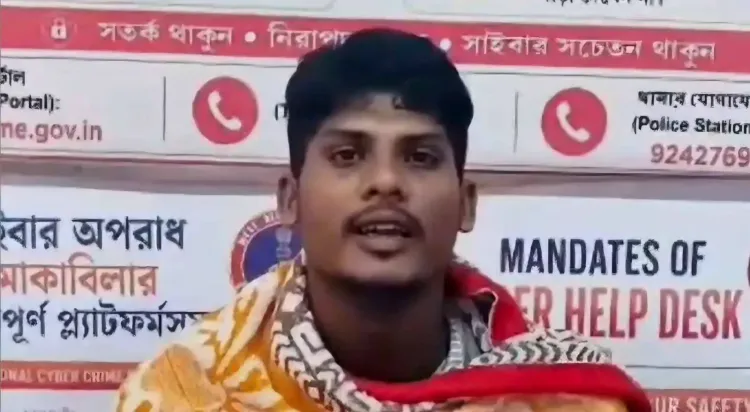
The case cracked open when the buyer — identified as Mohammad Ahad Ali, a resident of Rajshahi district in Bangladesh — inserted an Indian SIM card into the handset during a visit to India for medical treatment. The cyber cell detected the active IMEI location and established direct contact with him.
Upon being informed that the device he had purchased was stolen property, Ali reportedly offered his full cooperation immediately. Burdwan police confirmed that he showed no resistance and agreed to return the phone voluntarily.
Ahad Ali's Account
'I did not know that the phone was sold in Bangladesh like this,' Ali said. 'I bought it from a shop. The police contacted me. I came to India with my passport and visa and submitted the phone to the police station.'
On Monday, Ali arrived at the Burdwan police station carrying his passport and visa and formally handed over the device to law enforcement officials.
What the Police Said
Burdwan police commended Ali's integrity and cooperation, noting that the operation underscores the growing efficacy of cyber cell tools in cross-border criminal investigations. This comes amid broader concerns in India about the smuggling of stolen electronics across the Bangladesh border, a route that investigators say is not uncommon.
Authorities confirmed that legal formalities are currently underway to restore the smartphone to its rightful owner, Payel Dhara. The case is expected to serve as a template for future cross-border device recovery efforts.
Point of View
But because of what happened next. The willingness of a Bangladeshi national to cross the border voluntarily — with his documents in order — to return property he did not steal reflects both personal integrity and the persuasive power of IMEI-based cyber tracking. What deserves closer scrutiny is the smuggling ecosystem that allowed a phone stolen in Burdwan to surface for retail sale in Naogaon district within weeks. That pipeline — not the return — is the real story law enforcement should be pressing. One cooperative buyer does not close the cross-border stolen-electronics circuit; it merely illuminates it.
NationPress
9 Nov 2026
Frequently Asked Questions
How was the stolen phone traced to Bangladesh?
Burdwan police used technical surveillance and cyber cell tools to track the phone's IMEI signal as it crossed the international border into Bangladesh. The device was eventually located in Naogaon district, where it had been sold at a local shop.
Who is Mohammad Ahad Ali and why did he return the phone?
Mohammad Ahad Ali is a resident of Rajshahi district in Bangladesh who unknowingly purchased the stolen smartphone from a local shop. He cooperated fully after Burdwan police contacted him, and voluntarily travelled to India with his passport and visa to hand over the device.
What was the breakthrough that helped police contact the buyer?
The breakthrough came when Ali inserted an Indian SIM card into the handset while visiting India for medical treatment. This activated the IMEI signal, which the cyber cell detected, allowing investigators to identify and contact him directly.
Who is the original owner of the stolen smartphone?
The smartphone belongs to Payel Dhara, a resident of Bankura district, West Bengal. She had reported it stolen on 30 June from Burdwan Medical College and Hospital. Authorities say legal formalities are underway to return the device to her.
What does this case reveal about cross-border smartphone smuggling?
The case highlights a route by which stolen electronics from India can be smuggled into Bangladesh and resold through local markets. Burdwan police have cited it as evidence of the growing effectiveness of IMEI-based cross-border tracking in criminal investigations.