Anurag Thakur Secures ₹17.32 Cr Tool Room Grant for Hamirpur
Synopsis
BJP MP Anurag Thakur announces in-principle approval for the first instalment of a ₹17.32 crore central MSME grant to establish the Tahliwal General Engineering Cluster Tool Room at Bathu in Haroli, Hamirpur — opening new industrial and employment avenues in Himachal Pradesh.
Key Takeaways
The central government has given in-principle approval to release the first instalment of a ₹17.32 crore grant for a Tool Room project in Bathu, Haroli , Himachal Pradesh.
The project is part of the Tahliwal General Engineering Cluster in the Hamirpur Lok Sabha constituency.
The grant comes from the Ministry of MSME , which has run a Tool Room and Technology Centre programme since the 1980s.
The facility is expected to provide shared manufacturing infrastructure and skilling support to MSME units in the region.
Union MSME Minister Jitan Ram Manjhi and PM Narendra Modi were credited by Thakur for the approval.
Disbursement will occur in instalments; commencement of construction at Bathu is the next key milestone.
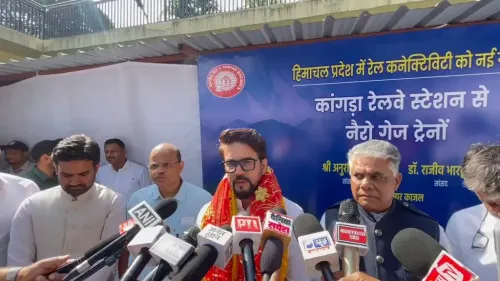
A ₹17.32 crore central grant has found its way to the hills of Himachal Pradesh — and for the small industries and job-seekers of Haroli Assembly constituency, it marks a significant turning point. BJP MP Anurag Thakur announced on Monday, November 9, 2026, that the central government has given in-principle approval to release the first instalment of a grant for establishing a Tool Room project under the Tahliwal General Engineering Cluster at Bathu in his Hamirpur parliamentary constituency.
Posting in Hindi, Thakur wrote: 'Modi Sarkar sada Himachal ke haq aur hit ke saath khadi hai' — 'The Modi government always stands for the rights and welfare of Himachal' — adding that the approval opens the path for industrial growth and large-scale employment opportunities in the region. He thanked Prime Minister Narendra Modi and Union MSME Minister Jitan Ram Manjhi for the approval.
What the Tahliwal Tool Room will actually do
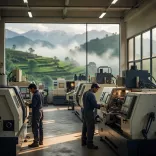
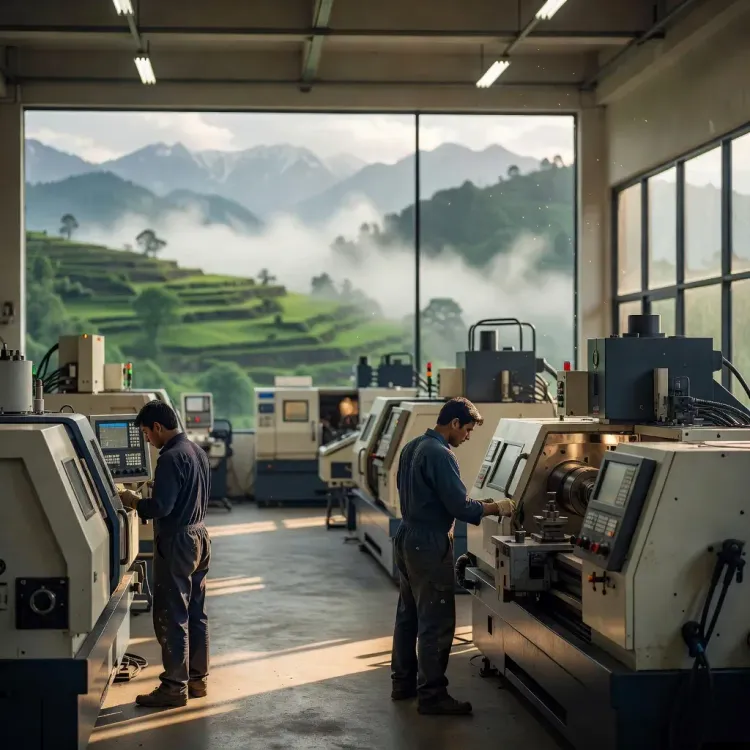
Tool rooms are not glamorous — but they are foundational. The Ministry of Micro, Small and Medium Enterprises (MSME) has operated a programme for establishing Tool Rooms and Technology Centres since the 1980s, designed to give small manufacturers access to precision machinery, technical training, and shared infrastructure they could never afford individually. For a hill state like Himachal Pradesh, where industrial infrastructure has historically lagged behind the plains, a dedicated facility of this kind carries outsized value.
The Tahliwal General Engineering Cluster at Bathu, once operational, is expected to serve MSME units across the region, providing common facilities and skilling support to ancillary industries. The grant, totalling approximately ₹17.32 crore, will be disbursed in instalments tied to project milestones — the in-principle nod for the first tranche is the critical first unlock.
Haroli's industrial moment in a wider Himachal arc
Central approvals for engineering clusters in smaller hill states have followed a consistent logic: extend the industrial ecosystem beyond the dominant manufacturing corridors and generate local employment where migration pressure is high. Himachal Pradesh, despite its pharmaceutical and hydropower sectors, has relatively limited heavy-industry infrastructure — particularly in the Hamirpur region, which is better known for its high military enlistment rates than for factory floors.
The Haroli constituency, which falls within Thakur's Hamirpur Lok Sabha seat, stands to gain directly — both in terms of industrial throughput for existing small businesses and in new employment avenues for local youth. The MSME ministry's model for such projects typically combines direct employment at the tool room itself with a multiplier effect on the cluster of micro-enterprises that use its facilities.
The next milestones to watch: disbursement of subsequent grant instalments and the commencement of construction at the Bathu site. The pace of those steps will determine how quickly the approval on paper becomes machinery on the ground.
Point of View
Announcing a tangible central fund release in his home constituency reinforces his value as a channel between Delhi and Himachal at a time when state-level political competition remains intense. The MSME tool-room model, with its focus on shared precision infrastructure, is designed precisely for regions like Hamirpur where individual MSMEs lack the capital for high-end machinery. Whether the multiplier effect materialises will depend entirely on the speed of subsequent disbursements and the ecosystem of small industries ready to use the facility.
NationPress
9 Nov 2026
Frequently Asked Questions
What is the Tahliwal General Engineering Cluster Tool Room project?
It is a central government-funded project to establish a Tool Room at Bathu in the Haroli Assembly constituency of Himachal Pradesh, providing shared precision manufacturing infrastructure and training support to local MSME units.
How much is the central grant for the Bathu tool room project?
The total grant is approximately ₹17.32 crore , to be released in instalments tied to project milestones. The in-principle approval for the first instalment has been granted.
Which ministry approved the grant for the Hamirpur tool room?
The Ministry of Micro, Small and Medium Enterprises (MSME) , headed by Union Minister Jitan Ram Manjhi , approved the grant.
What benefits will the Tahliwal Engineering Cluster bring to Himachal Pradesh?
The cluster is expected to provide industrial support to existing MSME units, offer technical training, and create new employment opportunities for local youth in the Haroli and Hamirpur region.
What is the MSME Tool Room programme?
The Ministry of MSME has operated a programme to set up Tool Rooms and Technology Centres across India since the 1980s, giving small manufacturers access to common precision machinery and skilling facilities they cannot individually afford.