Human Rights Group Raises Alarm Over Bangladesh's Immunity Bill for Protest Participants
Synopsis
A prominent international rights organization has condemned Bangladesh's new law granting broad immunity to participants of the 2024 protests, warning it undermines justice and accountability. This controversial move raises critical concerns about human rights in the country.
Key Takeaways
Immunity Bill: Grants total immunity to protest participants.
Human Rights Violation: Contradicts Bangladesh's Constitution and international laws.
Cultural Impunity: Institutionalizes a dangerous precedent for future violations.
Judicial Independence: Undermines the independence of the judiciary.
Call to Action: Urges for repeal and independent investigations.
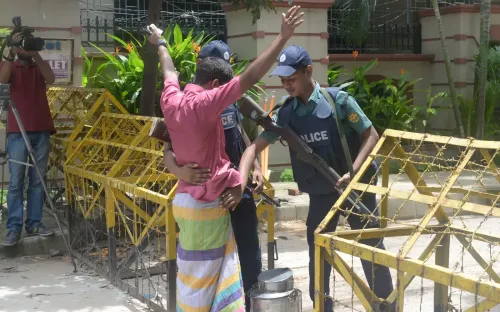
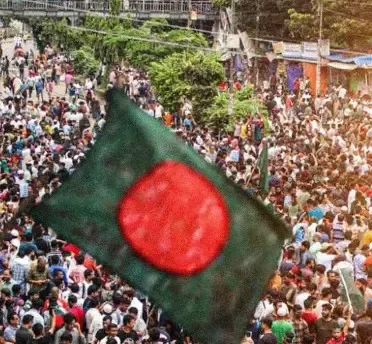
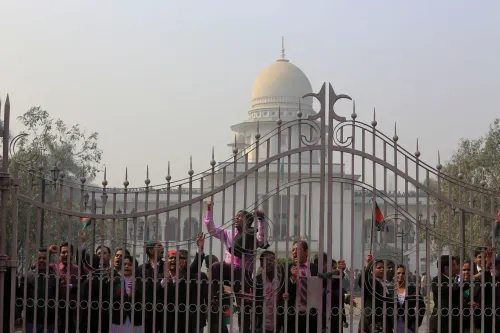
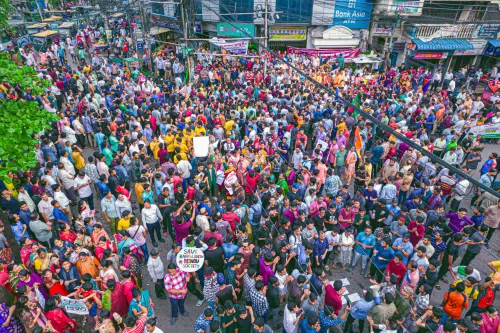
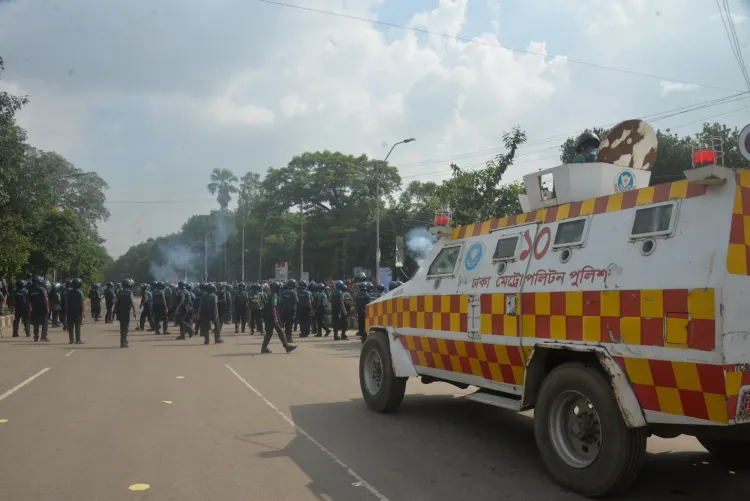
Paris, April 10 (NationPress) An eminent international human rights organization has vehemently criticized the recent approval of the 'July Mass Uprising (Protection and Liability Determination) Bill, 2026' by Bangladesh’s Parliament. This legislation grants complete immunity from both civil and criminal liabilities for actions taken by participants during the demonstrations that occurred in July and August 2024.
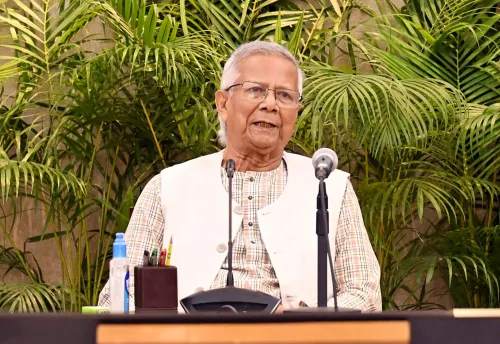
Justice Makers Bangladesh in France (JMBF) stated that the bill, which was enacted on April 8, transforms an earlier ordinance established by the interim government led by Muhammad Yunus into a “comprehensive law.”
Expressing deep concern, the rights organization highlighted that this action represents a blatant infringement of the Constitution of Bangladesh and the fundamental human rights recognized in the Universal Declaration of Human Rights.
“This legislation allows individuals involved in the July mass uprising to enjoy total legal immunity from any criminal or civil liability for their actions. Additionally, all existing cases, complaints, or legal actions regarding such involvement will be dismissed, and the initiation of any new cases on these premises has been formally prohibited,” the JMBF elaborated.
The rights organization noted that while the law ostensibly provides immunity, it effectively establishes a “perilous culture of impunity,” wherein serious violations may remain “unexamined and unpunished.”
By granting a specific group immunity from accountability, it undermines the rule of law and the independence of the judiciary in Bangladesh.
Referring to international human rights law, JMBF described this development as highly alarming.
“As a state party to the International Covenant on Civil and Political Rights (ICCPR) and the Universal Declaration of Human Rights (UDHR), Bangladesh is obligated to uphold justice, accountability, and the right to effective remedies. However, by providing extensive immunity that results in de facto impunity, this law effectively halts judicial processes in potential human rights violation cases,” the organization emphasized.
“This legislation not only obscures past misconduct but also sets a troubling precedent for the future, fostering unlawful behavior with the expectation of immunity from accountability. Such a framework dilutes state accountability, erodes public confidence in the legal system, and significantly undermines democratic governance,” it added.
JMBF has called for the immediate repeal of this law, an independent and impartial investigation into all reported offenses, assurance of justice for victims, and the restoration of judicial independence.
Furthermore, it urged the United Nations, the European Union, other intergovernmental bodies, international human rights organizations, and all pro-democracy advocates to unite with the people of Bangladesh in their “quest for justice and against impunity.”
Point of View
Allowing serious violations to go unpunished and undermining public trust in the judicial system. As editors, we must advocate for justice and uphold the principles of democracy.
NationPress
19 Sept 2026
Frequently Asked Questions
What does the July Mass Uprising Bill entail?
The bill provides immunity from civil and criminal liabilities to participants of the July-August 2024 protests, effectively halting legal actions against them.
Why is this bill controversial?
It is seen as a violation of the Bangladesh Constitution and international human rights laws, promoting a culture of impunity.
What are the implications of this law?
The law undermines judicial independence and accountability, potentially allowing serious human rights violations to remain unpunished.
Who condemned the bill?
Justice Makers Bangladesh in France (JMBF) has strongly criticized the bill for its legal implications and human rights violations.
What action has JMBF called for?
JMBF has called for the repeal of the law, independent investigations, and the restoration of judicial independence.