Gujarat sexed semen programme achieves 91% female calf births, cuts costs for farmers
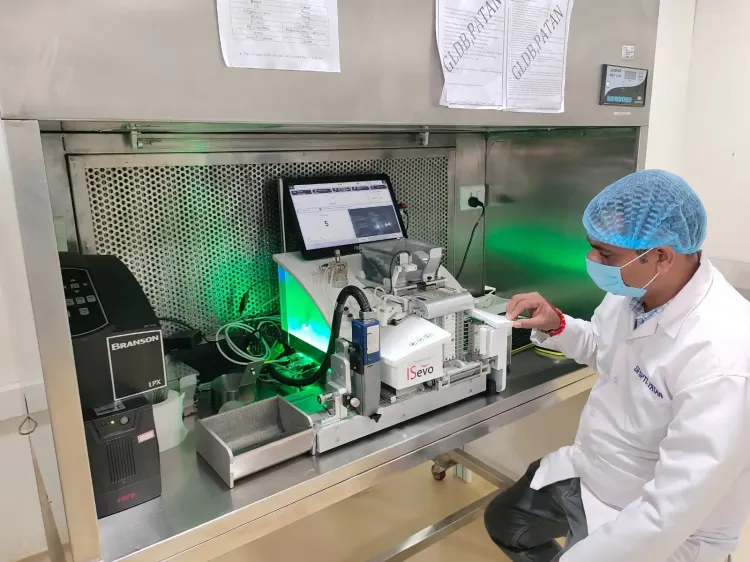
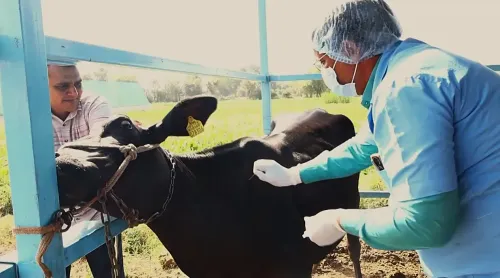
A Gujarat government initiative promoting sexed semen technology in livestock breeding has resulted in more than 91 per cent female calf births among inseminated animals, according to official data from the state's Animal Husbandry Department. The programme, implemented through the Gujarat Bovine Semen Sexing Institute in Patan, is reducing maintenance costs for livestock rearers while boosting milk output across the state.
Key Figures from the Programme
By February 2026, a total of 3.41 lakh sexed semen doses had been administered through the department's field offices, yielding 63,439 confirmed pregnancies. Of the 37,469 calves born under the scheme, 34,184 were female and 3,285 were male — a female birth rate of approximately 91.23 per cent. Since production began at the Patan institute in June 2021, a cumulative 8 lakh doses had been produced by February 2026.
How the Technology Works
Sexed semen technology involves separating sperm carrying X and Y chromosomes to pre-determine the sex of offspring. Under natural conditions, the probability of a male or female calf is roughly equal. By using X-chromosome-bearing sperm, breeders can achieve female calf births with an accuracy of up to 90 per cent, according to officials. The institute was established under a project approved in 2018-19, with 60 per cent funding from the central government and 40 per cent from the state.
What Farmers Are Saying
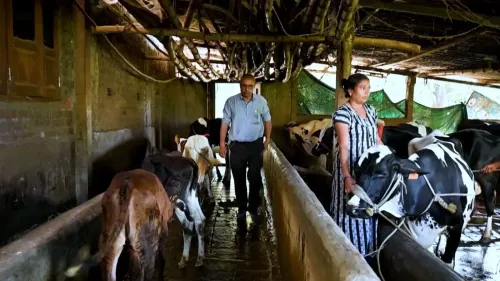
Taufikbhai Momin, a livestock rearer from Koita village in Saraswati taluka of Patan district, owns 40 cows and 130 buffaloes and produces around 250 litres of milk daily. He said the technology had resolved a long-standing concern for his operation.