Bangladesh's Economic Growth Set to Rebound Following Slowdown
Synopsis
Bangladesh's economy is on track for a gradual recovery after a slowdown, fueled by improving domestic demand and stabilizing factors, according to the World Bank's latest report.
Key Takeaways
Bangladesh is set for a gradual economic recovery.
Projected growth rate of 3.9% for FY2025-26.
Challenges include inflation and political instability.
Private consumption will drive growth.
Exports face pressures from global tariffs.
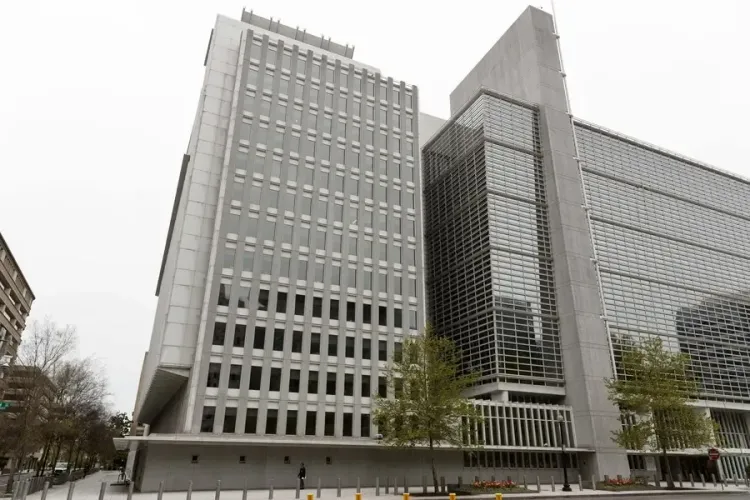
Washington, April 9 (NationPress) The economy of Bangladesh is forecasted to gradually recover after experiencing a slowdown, bolstered by enhancing domestic demand and stabilizing conditions, as highlighted by the World Bank. A growth rate of 3.9 percent is anticipated for the fiscal year 2025-26, reflecting the repercussions of previous political disturbances and external pressures on economic activities, according to the latest evaluation from the World Bank.
The report indicates that the economy is bouncing back from disruptions associated with political instability in late 2024, which impacted investment, exports, and overall economic momentum.
Private consumption is expected to be the primary driver of growth as conditions begin to stabilize. Nonetheless, the recovery is likely to be slow, with investments remaining tepid due to uncertainties and constraints in the financial sector.
Exports are anticipated to support growth, albeit not as a major contributor. The ready-made garments sector, a cornerstone of Bangladesh’s exports, has encountered challenges from rising global tariffs and intensifying competition in international markets.
Inflation remains a pressing issue. The report emphasizes that price pressures have persisted at elevated levels, fueled by currency depreciation, supply disruptions, and soaring food prices, which hinder purchasing power and economic recovery.
To manage inflation, monetary policy has remained tight, with interest rates at high levels. This has constrained credit growth and negatively impacted private investment, as noted by the World Bank.
The banking sector continues to experience stress, with elevated levels of non-performing loans affecting lending capabilities and investor confidence.
External pressures also remain significant, with rising global energy prices and dependency on imports likely to strain the current account and fiscal balances, exacerbating macroeconomic challenges.
Despite these obstacles, the World Bank anticipates growth to strengthen in the medium term, provided reforms are enacted and political stability is maintained.
Separate projections from the World Bank suggest that Bangladesh’s growth could climb to approximately 4.6 percent in FY2025-26 and further to about 6.1 percent in FY2026-27, as inflation subsides and investment increases.
Over the past decade, Bangladesh has emerged as one of the fastest-growing economies in South Asia, driven by robust export performance and a substantial manufacturing base focused on garments.
However, ongoing challenges—including vulnerabilities in the financial sector, external dependencies, and political uncertainty—continue to influence its growth path, resulting in an uneven recovery.
Point of View
It is crucial to recognize that while Bangladesh's economy is expected to recover, the path remains fraught with challenges. Political stability and effective reforms will be key to regaining momentum in growth.
NationPress
14 Oct 2026
Frequently Asked Questions
What is the projected growth rate for Bangladesh in FY2025-26?
The projected growth rate for Bangladesh in FY2025-26 is 3.9 percent.
What are the main challenges facing Bangladesh's economy?
Challenges include inflation, political instability, external pressures, and a stressed banking sector.
How have exports been affected?
Exports, particularly in ready-made garments, have faced pressures due to higher global tariffs and increased competition.
What role does private consumption play in the economy?
Private consumption is expected to remain the primary driver of growth as economic conditions stabilize.
What external factors are impacting Bangladesh's economy?
Rising global energy prices and reliance on imports are straining the current account and fiscal balances.