Bangladesh economy stuck in fragile recovery in Q1 2026 amid high inflation
Synopsis
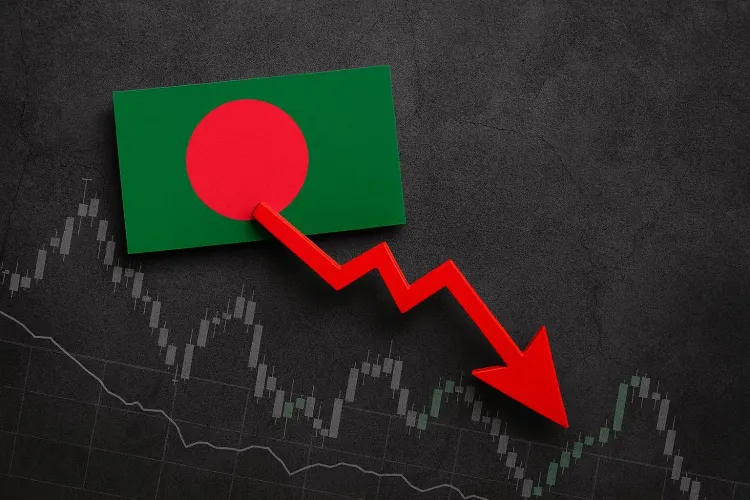
Despite political instability easing after Bangladesh's 2024 transition, the economy has failed to gain momentum in Q1 2026. High inflation, tight credit, and weak industrial output are compounding a food crisis that left 1.6 crore Bangladeshis acutely food-insecure in 2025 — placing the country among the world's ten worst-affected nations.
Key Takeaways
Bangladesh's economy remained in a 'fragile and uneven recovery phase' in Q1 CY2026 , per the MCCI quarterly review.
High inflation, restrictive credit conditions, and weak private investment suppressed domestic demand during the January–March 2026 quarter.
Nearly 1.6 crore Bangladeshi citizens faced acute food insecurity in 2025 , ranking the country among the world's top 10 worst-affected nations.
The Global Report on Food Crises by UN agencies warned conditions in affected countries are unlikely to improve in 2026 .
Strong remittance inflows partially stabilised foreign exchange reserves but could not offset the widening trade deficit.
Deteriorating conditions for Rohingya refugees in two Bangladesh districts were flagged amid fresh influx, flooding, and aid cuts.
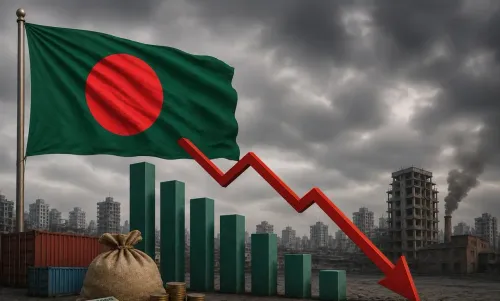
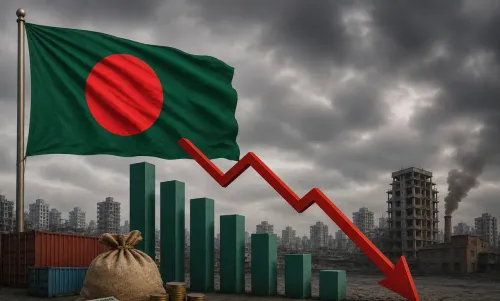
Bangladesh's economy remained in a 'fragile and uneven recovery phase' during the first quarter of calendar year 2026, as persistent inflation, weak private investment, subdued industrial activity, and external sector pressures continued to suppress growth, according to a quarterly review by the Metropolitan Chamber of Commerce and Industry (MCCI). The findings, cited in a report by Dhaka-based The Business Standard, paint a cautious picture of an economy still struggling to find its footing.
Key Pressures Weighing on Growth
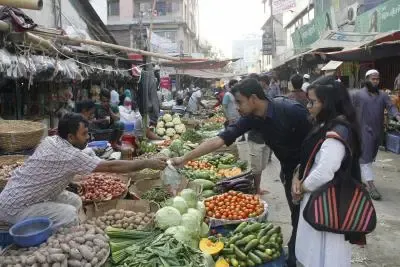
The MCCI review identified a cluster of structural headwinds holding back the January–March 2026 quarter. 'High living costs, cautious private sector sentiment and weak industrial expansion continued to weigh on overall economic performance,' the chamber said. Tight monetary policy, elevated borrowing costs, and restrictive credit conditions further suppressed domestic demand, consumer spending, and business expansion during the period.
Notably, despite a considerable easing of the political and administrative instability that followed Bangladesh's transition period in late 2024, the expected economic rebound has not materialised. Slower export expansion compounded the challenge, widening the trade deficit even as remittance inflows provided a partial buffer by stabilising foreign exchange reserves.
Food Insecurity Compounds the Crisis
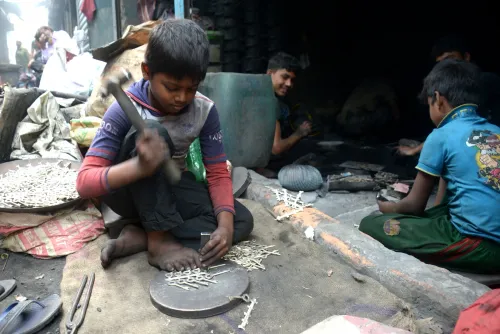
The economic fragility is not confined to growth statistics. A separate report — the Global Report on Food Crises published by UN agencies — found that nearly 1.6 crore Bangladeshi citizens faced high levels of acute food insecurity in 2025, placing the country among the world's top 10 worst-affected nations. The report warned that conditions in these ten countries are unlikely to improve in 2026, citing conflicts, climate shocks, economic instability, and supply-chain disruptions linked to the Middle East crisis.
Globally, the picture is stark: more than 39 million people across 32 countries faced emergency levels of food insecurity, while the number experiencing catastrophic hunger has surged ninefold since 2016.
Rohingya Crisis Adds to Strain
The UN report also highlighted deteriorating conditions among forcibly displaced Myanmar nationals in two districts of Bangladesh, driven by a fresh influx of Rohingya refugees, flooding, and cuts to humanitarian assistance. The convergence of displacement pressures, climate vulnerability, and reduced aid is deepening food and livelihood insecurity in an already stressed economy.
What Remittances Are Doing
One bright spot flagged by the MCCI is robust remittance inflows, which have helped stabilise Bangladesh's foreign exchange reserves and partially offset the widening trade deficit. However, analysts note that remittances alone cannot substitute for the private investment and industrial expansion the economy needs to accelerate growth on a sustained basis.
What to Watch
Whether Bangladesh can break out of this recovery plateau will depend on whether inflation eases enough to allow monetary policy to loosen, unlocking credit for businesses and consumers. The trajectory of global commodity prices, the pace of Rohingya humanitarian response, and export demand from key markets will all shape the outlook for the remainder of 2026.
Point of View
Not political. Tight monetary policy was the right call to contain inflation, but it has come at a visible cost to credit access and business confidence. What mainstream coverage underplays is the compounding effect: 1.6 crore citizens in acute food insecurity is not a peripheral statistic — it is a demand-side anchor that will keep consumer spending suppressed long after inflation nominally eases. The Rohingya humanitarian situation adds a fiscal and social burden that official GDP metrics do not fully capture.
NationPress
26 Sept 2026
Frequently Asked Questions
Why is Bangladesh's economy described as fragile in Q1 2026?
The Metropolitan Chamber of Commerce and Industry (MCCI) described Bangladesh's economy as being in a 'fragile and uneven recovery phase' in Q1 CY2026 due to persistent high inflation, weak private investment, subdued industrial activity, and external sector pressures. Tight monetary policy and elevated borrowing costs further suppressed domestic demand and business expansion during the January–March quarter.
How many Bangladeshis faced food insecurity in 2025?
Nearly 1.6 crore Bangladeshi citizens faced high levels of acute food insecurity in 2025, according to the Global Report on Food Crises published by UN agencies. This placed Bangladesh among the world's top 10 worst-affected nations.
What role are remittances playing in Bangladesh's economy?
Strong remittance inflows have helped stabilise Bangladesh's foreign exchange reserves and partially offset the impact of a widening trade deficit, according to the MCCI review. However, remittances alone have not been sufficient to drive broader economic momentum.
What is the outlook for Bangladesh's economy in 2026?
The outlook remains cautious. UN agencies warned that the ten worst food-insecure countries, including Bangladesh, are unlikely to see improvement in 2026 due to conflicts, climate shocks, economic instability, and supply-chain disruptions. Easing inflation and a loosening of monetary policy would be key to unlocking growth.
How does the Rohingya crisis affect Bangladesh's economic situation?
The Global Report on Food Crises highlighted worsening conditions for forcibly displaced Myanmar nationals in two districts of Bangladesh, driven by a fresh influx of Rohingya refugees, flooding, and cuts to humanitarian assistance. This compounds existing food and livelihood insecurity in an already strained economy.