Bangladesh Stuck in World Bank’s 'Red' Category for Food Inflation
Synopsis
Bangladesh continues to struggle with high food inflation, remaining in the World Bank's 'red' category for nearly three years. Despite government efforts, food inflation has surged again, raising concerns about food insecurity in the nation.
Key Takeaways
Bangladesh remains in the World Bank's 'red' category for food inflation.
Food inflation has surged again after a brief decline.
The situation poses a significant risk of food insecurity for the population.
Neighboring countries show varying success in managing inflation.
Low-income individuals are disproportionately affected by rising food costs.
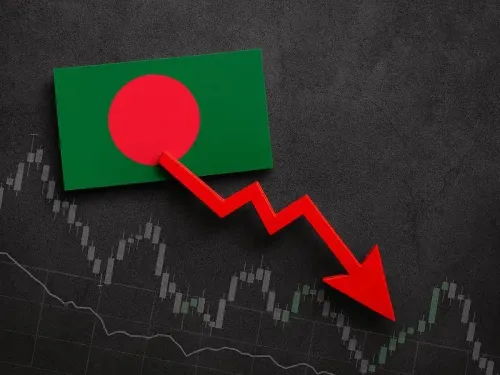
New Delhi, March 24 (NationPress) Bangladesh remains entrenched in the “red” category of nations facing significant food inflation risks for nearly three years. Despite a slight reduction in overall inflation attributed to various temporary government measures, food inflation has surged again over the past five months, as reported by Bangladeshi media.
A recent report from the World Bank underscores Bangladesh's “red” status, citing persistent high food inflation over the last ten months. This indicates that the threat of food insecurity in Bangladesh is not diminishing and may escalate further due to the ongoing crisis in the Middle East, as highlighted by Dhaka's Prothom Alo newspaper.
In addition to Bangladesh, 13 other nations have maintained their red status for a duration of ten months. These nations include Ethiopia, Mozambique, Angola, Ghana, Mongolia, Nigeria, Tunisia, Ukraine, Zambia, Belarus, Kazakhstan, Moldova, and Russia.
Selim Raihan, the Executive Director of the private research organization South Asian Network on Economic Modelling (SANEM), expressed to Prothom Alo that the rise in food inflation is alarming. Should the Middle East crisis continue, it could adversely affect the country's imports, leading to further inflation.
Raihan pointed out that Bangladesh has struggled significantly compared to its neighboring nations in terms of curbing inflation. While government agencies report inflation rates between 8.5% and 9%, actual inflation may be considerably higher, according to the report.
The Bangladesh Bureau of Statistics (BBS) released inflation data up to February, whereas the World Bank's report extended only until last November. The BBS reported that food inflation reached 9.3% in February, marking the highest level in 13 months.
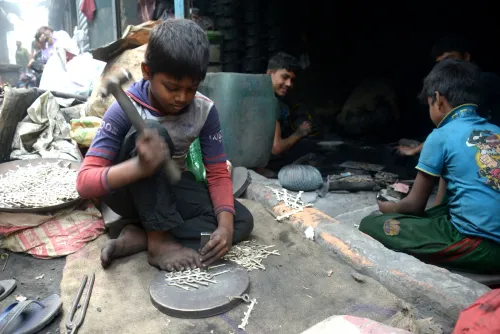
Food inflation has remained exceedingly high for over three years, with the most disadvantaged populations facing unprecedented hardship.
Many low-income individuals allocate a substantial portion of their earnings—sometimes up to two-thirds—on food, making them particularly vulnerable during inflationary periods.
Countries listed by the World Bank for high food inflation have fluctuated between red, purple, yellow, and green categories over the past year. Some nations have seen improvements in their food inflation situations, while others have worsened.
Point of View
It is evident that Bangladesh's persistent struggle with food inflation poses significant challenges for the population, particularly the economically vulnerable. The situation warrants attention as it impacts food security and the overall economy.
NationPress
22 Sept 2026
Frequently Asked Questions
What does the 'red' category mean for Bangladesh?
The 'red' category indicates a high risk of food inflation and food insecurity, highlighting the challenges faced by the country in managing food prices.
How long has Bangladesh been in the 'red' category?
Bangladesh has been in the 'red' category for nearly three years, reflecting ongoing challenges in controlling food inflation.
What factors are contributing to rising food inflation in Bangladesh?
Factors include the ongoing crisis in the Middle East, which is affecting imports, as well as domestic economic conditions.
What is the current food inflation rate in Bangladesh?
As of February, food inflation in Bangladesh is reported to be at 9.3%, the highest in 13 months.
How does Bangladesh's inflation compare to neighboring countries?
Bangladesh has been less successful in controlling inflation compared to its neighboring countries, according to expert analyses.