Bangladesh among top 10 worst food crisis nations in 2025: UN Report

Synopsis
Bangladesh ranks among the world's 10 worst food crisis nations in 2025, with 1.6 crore people acutely food insecure — yet it also recorded a 32% improvement over the prior year. The UN report's warning that 2026 will bring no relief, compounded by fresh Rohingya inflows and aid cuts, makes this a story of fragile progress overshadowed by structural collapse.
Key Takeaways
1.6 crore Bangladeshis faced acute food insecurity in 2025 , placing the country in the global top 10 worst-affected nations .
The 10 worst-affected countries accounted for roughly two-thirds of 26.6 crore people globally facing acute food insecurity.
Bangladesh recorded a 32% reduction in acute food insecurity in 2025 compared to the previous year.
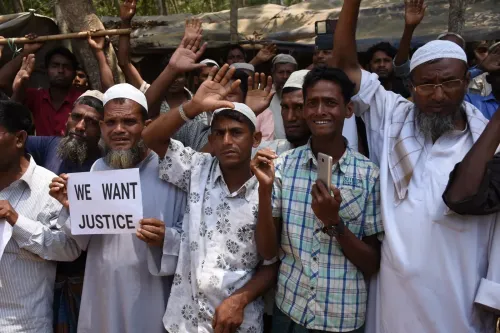
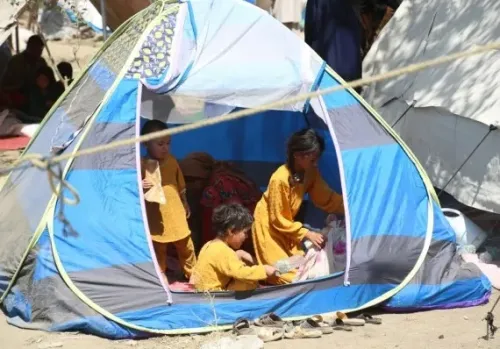
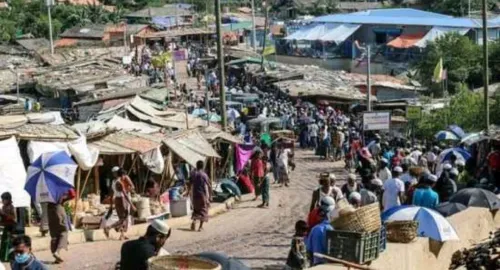
Conditions among Rohingya refugees in two Bangladeshi districts worsened due to fresh influx, flooding, and aid cuts.
Globally, 3.55 crore children were acutely malnourished in 2025, with nearly 1 crore suffering severe acute malnutrition.
Catastrophic hunger has surged ninefold since 2016 , affecting over 3.9 crore people in 32 countries .
Nearly 1.6 crore Bangladeshi citizens faced high levels of acute food insecurity in 2025, placing Bangladesh among the world's top 10 worst-affected nations, according to the Global Report on Food Crises compiled by UN agencies. The report, cited by Daily Star, warns that conditions are unlikely to improve in 2026 due to persistent conflicts, climate shocks, economic instability, and supply-chain disruptions linked to the Middle East crisis.
The 10 Worst-Affected Countries
The ten nations identified in the report are Afghanistan, Myanmar, Pakistan, Bangladesh, the Democratic Republic of the Congo, Nigeria, South Sudan, Sudan, the Syrian Arab Republic, and Yemen. Together, these countries accounted for roughly two-thirds of the 26.6 crore people worldwide who experienced acute food insecurity last year.
Notably, the report pointed out that half of the world's poorest people live in just five countries, three of which — Bangladesh, the Democratic Republic of the Congo, and Nigeria — are trapped in protracted food crises. Chronic economic weakness, it stated, continues to erode resilience at both household and national levels.
Conflict Remains the Primary Driver
Conflicts remained the single largest driver of acute hunger globally, pushing half of all affected people into severe food distress. UN Secretary-General António Guterres called for scaled-up investment in humanitarian aid and an immediate end to the conflicts fuelling the crisis. This comes amid a broader global pattern where geopolitical instability and climate events are compounding what were already fragile food systems in developing nations.
Bangladesh: A Mixed Picture
Despite its grim ranking, Bangladesh recorded some progress in 2025: the number of people facing acute food insecurity fell by 32 percent compared to the previous year. However, the report flagged worsening conditions among forcibly displaced Myanmar nationals in two districts of Bangladesh, driven by a fresh influx of Rohingya refugees, recurring flooding, and cuts to humanitarian assistance — factors that could reverse recent gains.
Global Scale of the Crisis
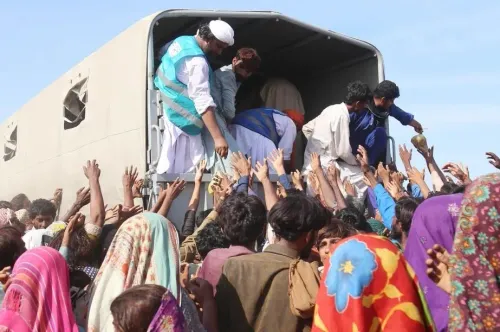
The scale of the global food emergency is staggering. Over 3.9 crore people in 32 countries faced emergency levels of food insecurity, while the number experiencing catastrophic hunger has surged ninefold since 2016. Around 3.55 crore children were acutely malnourished in 2025, including nearly 1 crore suffering from severe acute malnutrition — a figure that underscores the long-term developmental consequences of the crisis beyond immediate survival concerns.
Acute food insecurity, as defined in the report, refers to a situation where one or more dimensions of food security — availability, access, utilisation, and stability — are disrupted to a livelihood-threatening extent. With structural drivers remaining unaddressed, humanitarian agencies warn that the 2026 outlook offers little cause for optimism.
Point of View
Sharing company with conflict states like Sudan and Yemen. The Rohingya dimension is particularly underreported; aid cuts to refugee camps in Cox's Bazar risk reversing years of humanitarian investment at precisely the moment a fresh influx is straining resources. The global ninefold surge in catastrophic hunger since 2016 is the number that deserves far more scrutiny — it points to a systemic failure of the international humanitarian architecture, not just localised shocks.
NationPress
26 Sept 2026
Frequently Asked Questions
Why is Bangladesh among the top 10 worst food crisis countries in 2025?
Bangladesh ranked among the top 10 worst-affected nations because nearly 1.6 crore of its citizens faced acute food insecurity in 2025, according to the Global Report on Food Crises by UN agencies. Chronic economic weakness, climate shocks, and worsening conditions for Rohingya refugees were cited as key contributing factors.
Did food insecurity improve in Bangladesh in 2025?
Yes, partially. The number of people facing acute food insecurity in Bangladesh fell by 32 percent in 2025 compared to the previous year. However, conditions worsened for forcibly displaced Myanmar nationals in two districts, and the overall outlook for 2026 remains bleak.
Which are the 10 worst food crisis countries identified in the UN report?
The 10 worst-affected countries are Afghanistan, Myanmar, Pakistan, Bangladesh, the Democratic Republic of the Congo, Nigeria, South Sudan, Sudan, the Syrian Arab Republic, and Yemen. Together they account for roughly two-thirds of the 26.6 crore people who faced acute food insecurity globally in 2025.
What is acute food insecurity?
Acute food insecurity refers to a situation where one or more dimensions of food security — availability, access, utilisation, and stability — are disrupted to a livelihood-threatening extent. It is distinct from chronic hunger and typically requires immediate humanitarian response.
What is the global scale of the food crisis in 2025?
Over 3.9 crore people in 32 countries faced emergency levels of food insecurity in 2025, and catastrophic hunger has surged ninefold since 2016. Around 3.55 crore children were acutely malnourished, including nearly 1 crore with severe acute malnutrition.