Food Aid Reductions Threaten Survival of Rohingya Refugees in Bangladesh: Urgent Report
Synopsis
As food aid cuts deepen the crisis in Bangladesh's overcrowded Rohingya refugee camps, thousands face dire conditions. A recent report highlights the alarming impact on families, especially children, raising urgent humanitarian concerns.
Key Takeaways
Food aid cuts have significantly impacted the Rohingya refugee population.
Many families are now facing severe food insecurity.
Child welfare is at risk due to increasing incidents of child labor and marriage .
Protests have erupted, emphasizing the need for food as a basic human right.
The international community must respond to this escalating crisis.
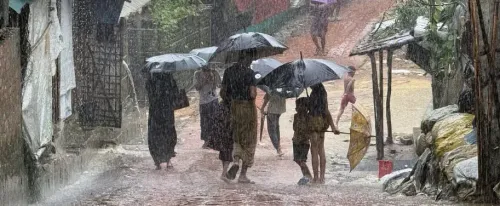
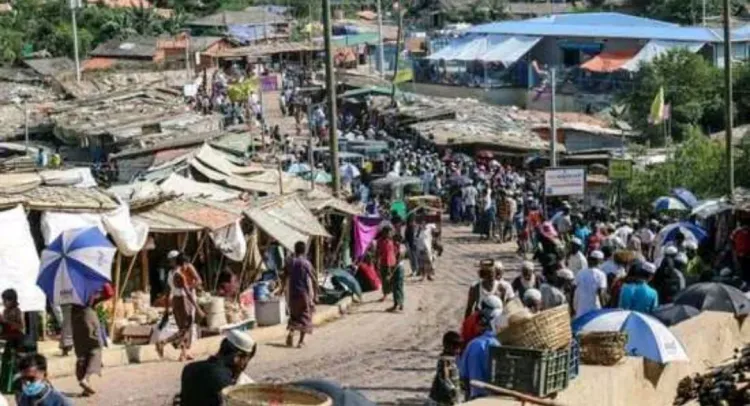
London/Dhaka, April 3 (NationPress) The situation in Bangladesh's overcrowded refugee camps has worsened, leaving thousands of Rohingya refugees struggling to survive due to cuts in food aid. This alarming trend raises serious concerns regarding a rapidly escalating humanitarian crisis, as detailed in a recent report.
The Independent, a UK publication, reports that the 1.2 million Rohingyas residing in these dire conditions receive only $12 monthly per person—an amount the persecuted group from Myanmar asserts is barely sustainable.
Since fleeing violent military attacks in Myanmar back in 2017, the majority of Rohingyas in these camps are legally barred from employment in Bangladesh, rendering them entirely dependent on humanitarian assistance for survival.
With the implementation of a new tiered distribution system by the UN World Food Programme, the aid each individual receives will depend on household requirements. Approximately 17% of the beneficiaries will receive as little as $7 monthly.
About one-third of the population falls under the category of "extremely food insecure," including child-headed households, and will continue to receive $12 monthly.
One camp resident, Mohammed Rahim, expressed his despair, stating, "It is very difficult to understand how we will survive now with only $7. Our children will suffer the most." He lamented that he and his wife had already been struggling to feed their three children prior to the cut.
Rahim voiced his profound fears that many could face severe hunger, with some potentially dying from starvation.
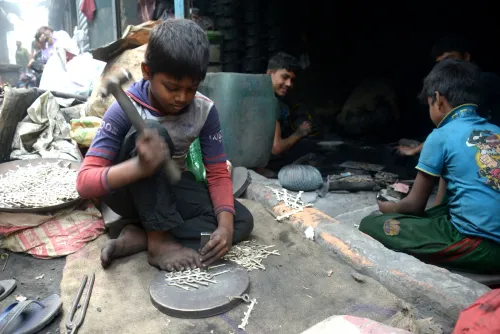
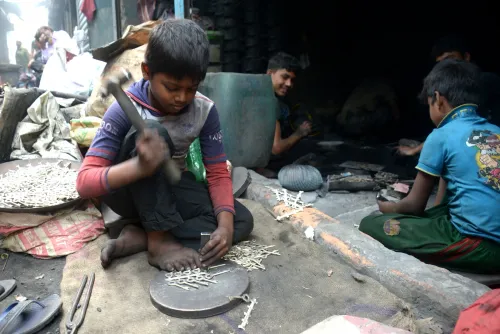
The report also pointed out that reductions in foreign aid have exacerbated the crisis in 2025, especially affecting children, as school closures have led to increased incidents of kidnapping, child marriage, and child labor. While funding for the Rohingya reached only half of what was needed in 2025, it currently stands at just 19% this year.
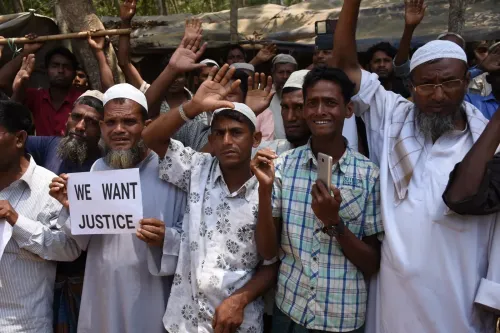
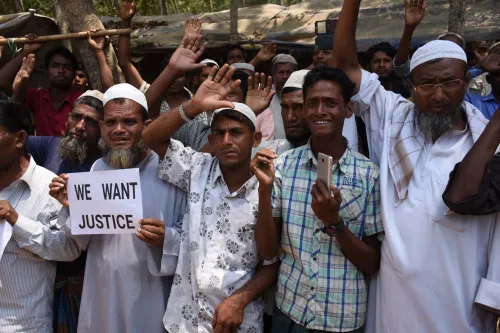
Desperate camp residents, now hungry and disheartened, are questioning how they will move forward after these ration cuts. On Tuesday, dozens of Rohingya protested the new system, demanding the restoration of full rations, holding signs that read, "Food is a right, not a choice."
Rahim, a father of three receiving just $7 a month, expressed his concerns over the increasing dangers of kidnapping, violence, and human trafficking that prevent his children from safely leaving the camps to seek work.
He concluded, "Ration cuts are pushing people toward life-threatening risks, leaving them with no safe choices. I am very worried about the future of our children,"
Point of View
Particularly children. As a nation, we must advocate for increased support and sustainable solutions to protect these displaced individuals.
NationPress
14 Sept 2026
Frequently Asked Questions
What are the current conditions in Rohingya refugee camps?
The conditions are dire, with overcrowding and insufficient food aid leading to a humanitarian crisis.
How much food aid do Rohingya refugees receive?
Most refugees receive only $12 per person per month, with some receiving as little as $7.
What has caused the food aid cuts?
Cuts in foreign aid and the introduction of a tiered distribution system by the UN World Food Programme have led to reduced assistance.
What are the implications of these cuts?
The cuts have exacerbated food insecurity and increased risks of child marriage, labor, and violence in the camps.
What actions are being taken by the Rohingya refugees?
Many refugees are protesting against the ration cuts, demanding the restoration of full rations.