Is the Situation in Bangladesh Really Tense and Volatile?
Synopsis
In a revealing interview, former Minister Mohibul Hasan Chowdhury discusses the unsettling political climate in Bangladesh ahead of the elections. He raises concerns about the Yunus regime's alleged support for extremist groups and the impact of recent violent events. This analysis sheds light on the complexities of the situation and the potential ramifications for the nation.
Key Takeaways
Bangladesh is experiencing a tense and volatile political landscape as elections approach.
Former Minister Mohibul Hasan Chowdhury accuses the Yunus regime of supporting extremist groups.
Anti-India protests are not representative of the general populace's sentiments.
The killing of Sharif Osman Hadi raises concerns about political violence.
Many fleeing to India are seeking refuge due to persecution.
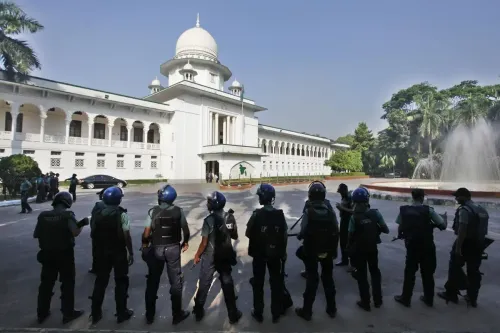
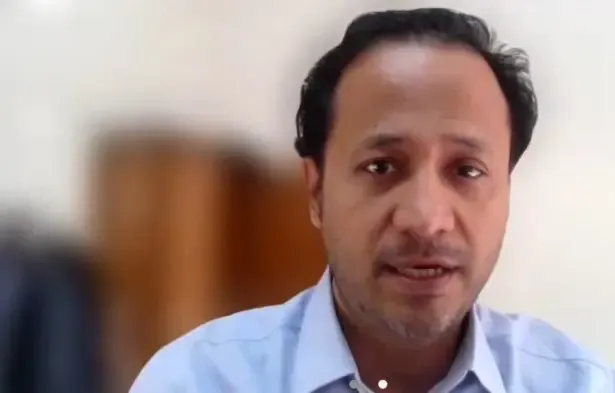
Dhaka, Dec 21 (NationPress) In a recent statement, Bangladesh's former minister Mohibul Hasan Chowdhury described the current atmosphere in Bangladesh as “tense and volatile” in light of the upcoming election. He accused the Yunus regime of aiding or inciting extremist groups to foster daily unrest to maintain their grip on power.
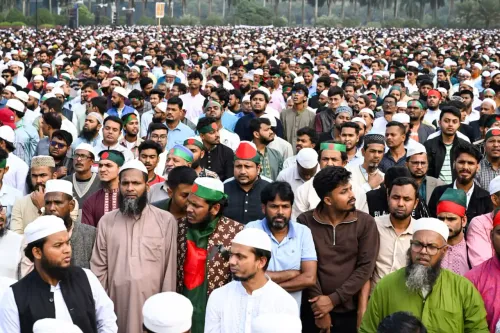
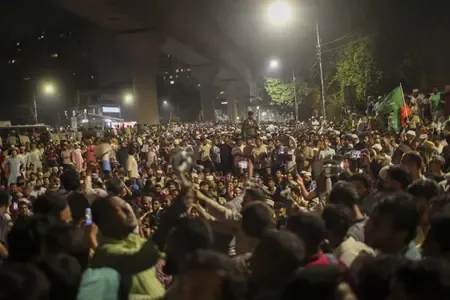
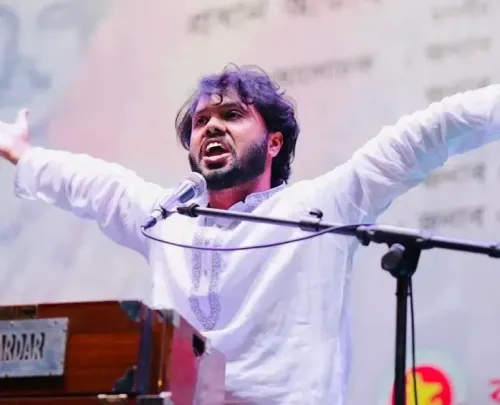
During an exclusive interview with IANS, Chowdhury noted that anti-India demonstrations are largely limited to specific areas in Dhaka and Chittagong, asserting that there is no widespread anti-India sentiment across the nation, labeling these protests as “staged”. He also commented on the recent killing of Inquilab Mancha leader Sharif Osman Hadi.
Excerpts:
IANS: How would you describe the current state of affairs in Bangladesh?
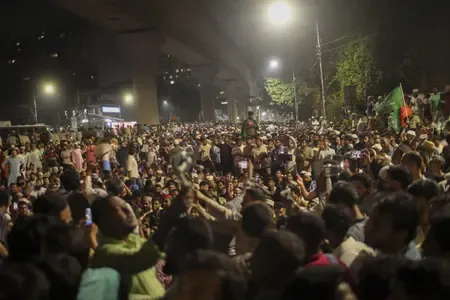
Mohibul Hasan Chowdhury: The situation in Bangladesh is extremely tense, particularly in the capital, Dhaka, and our second-largest city, Chittagong. This unrest is reportedly being supported by the current regime, which seems to be enabling extremist groups to incite chaos daily. The volatility is heightened as the election date approaches, with indications that the regime might be attempting to delay the election schedule to maintain its power. They have recruited certain influencers and online personalities to incite public sentiment. Additionally, extremist political factions like Hizb ut-Tahrir and the student group Shibir are being leveraged to foster social instability.
IANS: What are your thoughts on the assassination of Inquilab Mancha leader Sharif Osman Hadi?
Mohibul Hasan Chowdhury: While I cannot comment definitively on who was responsible, social media indicates he may have been attacked by someone close to him, suggesting a premeditated act. He faced significant political opposition from factions within the BNP and Jamaat-e-Islami. It seems likely that his attackers aimed to prevent him from participating in the elections. However, if the regime were involved, it wouldn't surprise me, given that some within the government have openly expressed intentions of retaliating and escalating tensions.
This incident appears orchestrated to provoke and agitate specific parts of society. Hadi was previously viewed as a marginal figure with extremist views, but his death has inadvertently transformed him into a significant political symbol. It’s suspected that those who wanted to martyr him may have planned this tragic outcome, which spiraled out of control, leading to his eventual death.
IANS: Is there an internal conspiracy surrounding Hadi's death?
Mohibul Hasan Chowdhury: Observing the aftermath of his assassination, it seems that certain groups have gained from it. While it’s uncertain whether they planned the attack, it appears they may have hoped to garner sympathy. The incident spiraled out of control, resulting in his death, which they could then exploit for emotional leverage. Historical patterns in Bangladesh show that this could be a staged event, reminiscent of past political dramas.
IANS: Could Hadi's death be linked to the upcoming elections?
Mohibul Hasan Chowdhury: Yes, it appears that by maintaining a state of volatility, they can argue that elections cannot proceed as scheduled. The timing of the elections coincides with the Ramadan period, and delaying it further could hinder voter turnout due to seasonal challenges. This strategy seems designed to extend the current regime's rule.
IANS: Have illegal immigrants been pushed into India under Yunus's governance?
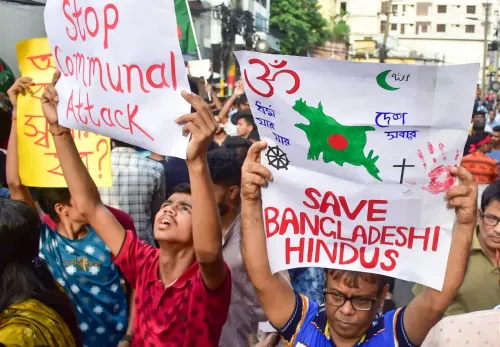
Mohibul Hasan Chowdhury: I wouldn't make claims about legality. Many have fled due to persecution, seeking refuge in India irrespective of their status. The humanitarian aspect should be prioritized. The migration context should be understood; many are escaping dire situations rather than intending to cause issues.
IANS: How do you view the anti-India protests?
Mohibul Hasan Chowdhury: These protests are confined to certain areas and do not reflect a national sentiment. The participation of students, particularly from Madrasas, is often coerced. If law enforcement intervened, these protests would dwindle. The general populace is not inclined towards these demonstrations, and many seek opportunities in India for various humanitarian needs.
In essence, while a small group expresses grievances, the broader Bangladeshi identity is rooted in a rich shared history with India, transcending extremist views.
Point of View
I acknowledge the serious concerns raised by former Minister Mohibul Hasan Chowdhury regarding the political unrest in Bangladesh. It is crucial to approach these issues with a balanced perspective, recognizing the potential implications for the nation while also considering the diverse voices and sentiments of the Bangladeshi populace.
NationPress
26 Sept 2026
Frequently Asked Questions
What is the current political situation in Bangladesh?
The political atmosphere in Bangladesh is currently described as tense and volatile, with concerns raised about the involvement of the ruling regime in fostering unrest.
Who is Mohibul Hasan Chowdhury?
Mohibul Hasan Chowdhury is a former minister in Bangladesh, who has publicly voiced his concerns regarding the current political climate and its implications for the upcoming elections.
What role do extremist groups play in the current unrest?
Chowdhury alleges that the Yunus regime is instigating extremist groups to create chaos as a means of maintaining power.
Are the anti-India protests widespread in Bangladesh?
No, anti-India protests are mainly concentrated in specific areas of Dhaka and Chittagong and do not represent a nationwide sentiment.
What happened to Sharif Osman Hadi?
Sharif Osman Hadi, a leader of Inquilab Mancha, was killed under suspicious circumstances, leading to speculation about political motives behind his death.