Did CPI-M’s Internal Strife Assist BJP in Securing Thiruvananthapuram Corporation?
Synopsis
Factionalism within CPI-M's Thiruvananthapuram unit has emerged as a crucial factor in BJP's recent victory. Leaders pointed to internal conflicts as a major reason for losing control over the Corporation. As elections loom, this discord raises significant questions about the future of the LDF.
Key Takeaways
Factionalism within CPI-M significantly impacted electoral performance.
The absence of unity weakened the party's campaign strategies.
Criticism of leadership styles contributed to voter alienation.
The Sabarimala controversy damaged CPI-M’s credibility .
BJP capitalized on the weaknesses of the ruling party.
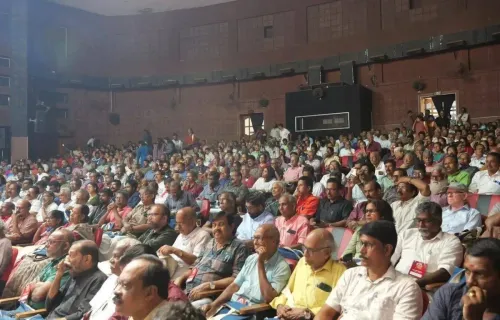
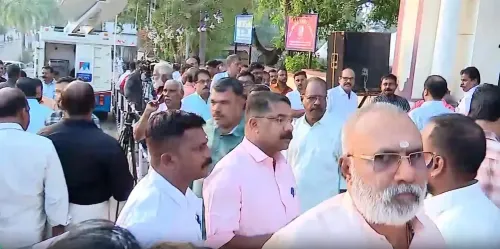
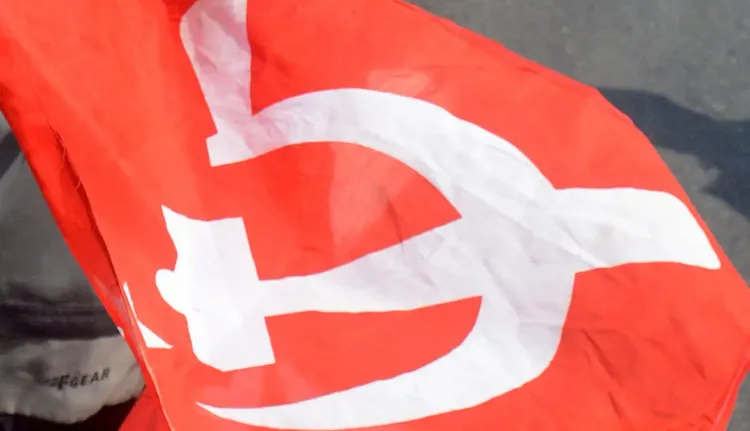
Thiruvananthapuram, Dec 22 (NationPress) The internal strife within the CPI-M’s Thiruvananthapuram district unit came to light during a recent party district committee meeting on Monday. It was acknowledged by leaders that this factionalism significantly contributed to the BJP taking control of the Thiruvananthapuram Corporation for the first time.
This event is perceived as a substantial setback for the ruling Left Democratic Front (LDF) as the Assembly elections approach in April-May next year.
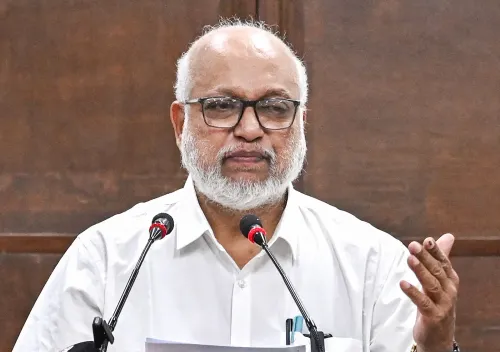
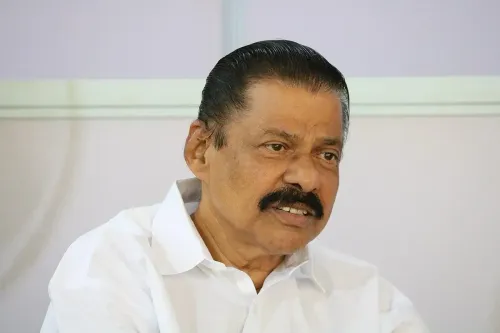
During the meeting, which was presided over by state secretary M.V. Govindan, there was candid criticism directed towards the district leadership, including former mayor Arya Rajendran, regarding the party's handling of critical issues.
Numerous party members indicated that Rajendran’s perceived arrogance and authoritative management style alienated certain voter segments, leading to a decline in the CPI-M’s traditional support within the capital.
Former mayor V.K. Prasanth was reportedly at the forefront of this criticism, gaining support from others.
The theme of factionalism was prevalent throughout the discussions.
Participants noted that the district operated with “three secretaries,” each leading a different faction, which often undermined each other's decisions, resulting in a disorganized party structure.
The lack of unified leadership and a coherent political strategy was pointed out as a critical organizational flaw that weakened the party's campaign efforts.
Significant issues in candidate selection were also recognized.
Leaders admitted that the process was slow and inadequately managed, allowing unqualified candidates to arise in several wards.
In contrast, both the BJP and Congress successfully presented prominent candidates, while the LDF struggled to showcase a comparable urban representation, a shortcoming that proved detrimental in a tightly contested election.
The political repercussions of the Sabarimala gold smuggling case were another factor identified as damaging to the party.
Members expressed that the controversy undermined the CPI-M’s credibility, especially among middle-class voters.
The Chief Minister’s ride with SNDP Yogam general secretary Vellappally Natesan and his subsequent remarks were also viewed as politically harmful.
While leaders defended the organization of the Global Ayyappa Conclave, they questioned the political judgment of reading greetings from Uttar Pradesh Chief Minister Yogi Adityanath during the event.
Members cautioned that prioritizing governance over party intervention had diminished the CPI-M’s political leverage—an opportunity that the BJP effectively seized in the capital.
Point of View
It is imperative to recognize the unfolding political dynamics in Kerala, particularly the implications of CPI-M's internal conflicts. The BJP's recent success in Thiruvananthapuram Corporation sheds light on the vulnerabilities of established parties when they fail to address internal unity. Our ongoing coverage aims to keep citizens informed about these developments as the state approaches crucial elections.
NationPress
3 Oct 2026
Frequently Asked Questions
What caused the BJP to gain control of Thiruvananthapuram Corporation?
Internal conflicts within the CPI-M's district unit, particularly factionalism, were significant factors that allowed BJP to secure control.
How did CPI-M leaders respond to the internal discord?
During a district committee meeting, leaders candidly criticized the party's leadership and acknowledged that factionalism weakened their electoral strategy.
What impact did the Sabarimala gold smuggling case have on CPI-M?
The controversy surrounding the Sabarimala gold smuggling case damaged the CPI-M's credibility, particularly among middle-class voters, contributing to their electoral losses.
What were the criticisms directed at former mayor Arya Rajendran?
Critics pointed to Rajendran's perceived arrogance and authoritarian management style as factors that alienated voters and eroded the party's support base.
What were the key organizational failures mentioned by CPI-M leaders?
Leaders highlighted the lack of unified leadership, poor candidate selection processes, and the presence of multiple factions within the district as major failures.