Bank strike from Sep 28: Complete key transactions before 3-day UFBU protest
Synopsis
A three-day bank strike called by UFBU from 28 September hits at the worst possible moment — half-yearly closing — and could leave millions of customers without branch access. With RRBs joining in and the Finance Ministry's appeal for dialogue seemingly unheeded, the disruption could run wider and longer than the headline three days suggest.
Key Takeaways
The United Forum of Bank Unions (UFBU) has called a three-day nationwide strike starting 28 September 2026 .
UFBU claims to represent nearly 90 per cent of India's banking workforce; demands include a five-day banking week and pension reforms.
The government has directed public sector banks to stay open on Sunday, 27 September to ease customer inconvenience.
SBI and Bank of India have issued advisories urging customers to use digital channels — YONO , UPI , ATMs , and mobile banking.
Regional Rural Banks (RRBs) are expected to join the strike, widening the impact to semi-urban and rural areas.
New-generation private banks — ICICI Bank , HDFC Bank , Axis Bank , and IndusInd Bank — are expected to operate normally.
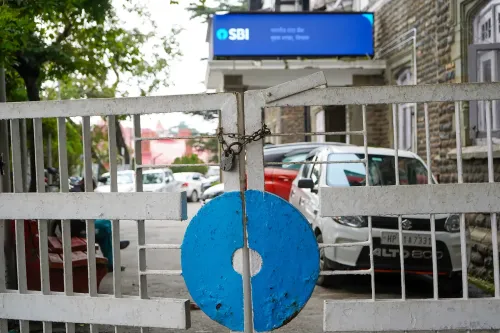
Customers of public sector and old-generation private sector banks have been advised to complete critical banking transactions before Sunday, 28 September 2026, when a three-day nationwide bank strike called by the United Forum of Bank Unions (UFBU) is set to begin. The action threatens to disrupt branch operations across a wide swathe of the banking system and coincides with the sector's crucial half-yearly closing period.
Who Called the Strike and Why
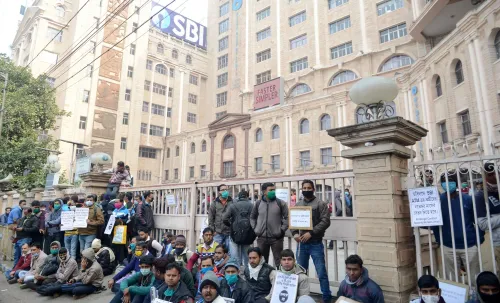
The UFBU, which claims to represent nearly 90 per cent of India's banking workforce, has called the agitation to press for a five-day banking week, pension-related reforms, and broader employee welfare measures. The union contends these demands have not been adequately addressed despite repeated rounds of engagement with management and the government.
This comes amid a broader pattern of periodic labour unrest in the public banking sector, where wage revision cycles and pension parity demands have historically triggered collective action. The timing — coinciding with half-yearly closing — amplifies the pressure on both management and regulators.
Government and Banks Respond
The Finance Ministry this week appealed to bank unions to call off the strike and resolve outstanding issues through dialogue, maintaining that a majority of concerns raised have already been substantially addressed. The government has also directed public sector banks to remain open on Sunday, 27 September, giving customers an additional working day to complete urgent transactions ahead of the disruption.
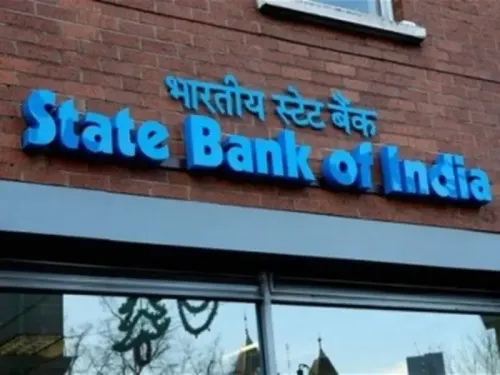
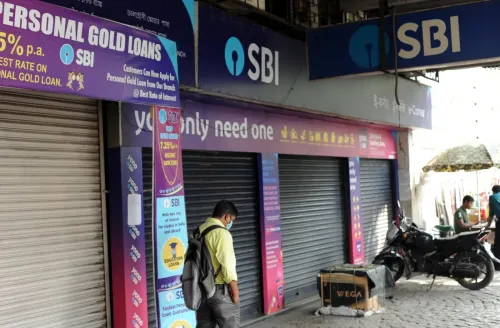
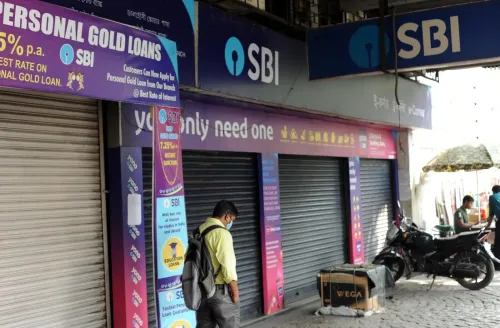
State Bank of India (SBI) has issued a formal advisory acknowledging that, while it will endeavour to maintain essential services at branches and offices, some banking operations could be affected during the strike period. SBI has urged customers to use digital channels — including YONO, internet banking, mobile banking, UPI, ATMs, and cash deposit machines — wherever possible.
Bank of India has similarly alerted its customers and asked them to rely on round-the-clock digital platforms, business correspondent points, and UPI services during the three-day window.
Which Banks Will Be Affected
Regional Rural Banks (RRBs) are also expected to join the agitation, potentially widening the impact on banking services in semi-urban and rural areas. Old-generation private sector banks that fall under UFBU's umbrella are also likely to see disruption.
However, new-generation private sector lenders — ICICI Bank, HDFC Bank, Axis Bank, and IndusInd Bank — are expected to continue normal operations, offering customers an alternative for routine transactions during the strike period.
What Customers Should Do
Banking experts advise completing time-sensitive payments, cheque deposits, demand drafts, and loan-related paperwork before the strike begins. Customers are also encouraged to ensure sufficient balances in digital wallets and UPI-linked accounts to manage day-to-day expenses. With RRBs potentially joining the strike, rural customers and agricultural borrowers face a heightened risk of service disruption during this period.
The outcome of any last-minute negotiations between the government, bank managements, and UFBU will be closely watched — if talks break down entirely, the strike could extend beyond the initially announced three days.
Point of View
Their corporate clients, and regulators are most exposed to operational disruption, and unions know it. The Finance Ministry's claim that 'a majority of concerns have been substantially addressed' will ring hollow to workers still waiting on pension parity and a five-day week, both of which have been pending for years. The real question is whether management and the government will move beyond platitudes before Sunday. If they don't, a three-day strike at half-year close could cascade into a much costlier stand-off — and millions of ordinary depositors, not the policymakers, will pay the price.
NationPress
26 Sept 2026
Frequently Asked Questions
When is the bank strike in September 2026?
The UFBU-called bank strike is scheduled from 28 September 2026 and is expected to last three days. It coincides with the banking sector's half-yearly closing period, making the disruption particularly significant.
Which banks will be affected by the UFBU strike?
Public sector banks, old-generation private sector banks, and Regional Rural Banks (RRBs) are expected to be affected. New-generation private banks — ICICI Bank, HDFC Bank, Axis Bank, and IndusInd Bank — are expected to continue normal operations.
Why has the UFBU called the bank strike?
The United Forum of Bank Unions is demanding implementation of a five-day banking week, pension-related reforms, and other employee welfare measures. The union claims these demands have not been adequately addressed despite ongoing discussions.
What should bank customers do before the strike starts?
Customers are advised to complete critical transactions — including cheque deposits, demand drafts, and loan paperwork — before 28 September. The government has directed public sector banks to remain open on Sunday, 27 September, to provide an extra window for urgent banking needs.
Will digital banking services work during the bank strike?
Yes. SBI and Bank of India have confirmed that digital channels — including YONO, internet banking, mobile banking, UPI, ATMs, and cash deposit machines — will remain operational. Customers are encouraged to use these platforms for routine transactions during the strike period.