Why Are Key Banking Reforms Stalled Under Yunus-led Interim Government?
Synopsis
As the interim government approaches its deadline, crucial banking reforms remain unpassed, raising concerns about the future of Bangladesh's financial stability. With the IMF urging for changes and the clock ticking down, the implications for governance and regulatory independence could be significant. Will these reforms be enacted in time?
Key Takeaways
Two critical banking reform laws remain stalled.
These reforms are essential for Bangladesh Bank's regulatory oversight.
IMF has provided technical assistance for proposed amendments.
Concerns over economic stability if reforms are delayed.
Upcoming elections may complicate the passage of these laws.
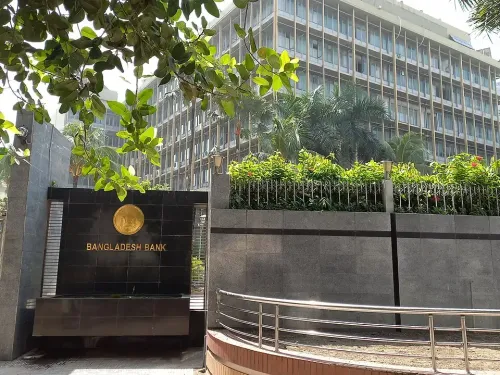
Dhaka, Feb 1 (NationPress) With only two weeks remaining in its tenure, the interim administration has not yet approved two pivotal banking reform laws that the Bangladesh Bank claims are crucial for enhancing the regulatory framework of the nation's financial system, according to local media reports on Sunday.
The laws in question focus on increasing the autonomy of the Bangladesh Bank (BB) and revising the ownership and governance structure of banks.
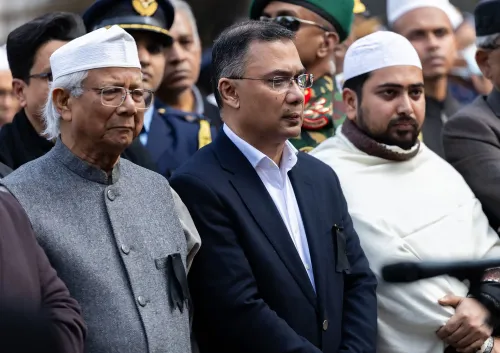
These initiatives were promised as part of the reform agenda by the interim government following the uprising in July 2024, as reported by the prominent Bangladeshi publication, The Daily Star.
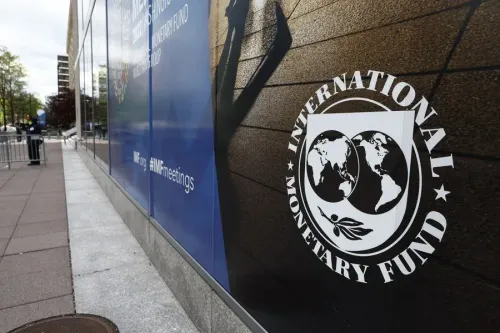
The International Monetary Fund (IMF) has also been a strong advocate for granting more independence to the central bank, offering technical assistance for drafting the proposed changes under its $5.5 billion loan program.
Despite these efforts, both legislative drafts remain stalled at the finance ministry. The Bangladesh Bank submitted the proposals several months ago and has consistently urged the government to pass them before the upcoming national elections on February 12.
To date, the interim government has only enacted two banking-related laws: the Bank Resolution Ordinance and the Deposit Insurance Ordinance.
Officials from the central bank report that progress on the outstanding drafts has stagnated, including amendments to the Bangladesh Bank Order of 1972 and the Bank Company Act.
In a press release issued on Saturday after its Article IV consultations, the IMF warned that delays in banking and fiscal reforms could negatively impact economic growth, increase inflation, and elevate macro-financial risks.
During a public event last week, Bangladesh Bank Governor Ahsan H. Mansur also expressed concerns over these delays, indicating that it would be challenging to enact the laws post-election, according to local reports.
As per officials, the original draft amendment to the Bangladesh Bank Order suggested eliminating bureaucrats from the BB board, which currently includes three government officials. However, after pushback from the finance ministry, the proposal was modified to allow one bureaucrat instead of three.
The amendment further aims to elevate the Bangladesh Bank governor to a ministerial rank and requires the governor to take an oath before the chief justice. Despite these adjustments, the proposal is still awaiting approval.
The second significant reform pending involves changes to the Bank Company Act. This draft was approved by the BB board in October of the previous year and sent to the finance ministry but has seen no progress since.
As the interim administration's time runs out, officials at the central bank fear that failing to pass the remaining reforms before the elections could undermine efforts to bolster financial sector governance and regulatory independence.
Point of View
We acknowledge the significance of timely banking reforms in ensuring the stability of Bangladesh's financial landscape. The interim government's delay in passing these laws could have profound repercussions not only on governance but also on the overall economic health of the nation. The urgency for action cannot be overstated.
NationPress
30 Sept 2026
Frequently Asked Questions
What banking reforms are currently pending in Bangladesh?
The interim government has yet to pass two significant banking reform laws aimed at enhancing the autonomy of the Bangladesh Bank and restructuring bank governance.
Why are these reforms important?
These reforms are essential for strengthening regulatory oversight and ensuring the stability of Bangladesh's financial system, as highlighted by the IMF .
What is the role of the IMF in these reforms?
The IMF has been advocating for greater autonomy for the Bangladesh Bank and provided technical assistance for drafting the proposed amendments under its loan program.
When are the national elections scheduled?
The national elections in Bangladesh are scheduled for February 12.
What could happen if the reforms are not passed?
Failure to pass the reforms could weaken financial governance, increase inflation, and create macro-financial risks, jeopardizing economic growth.