How Will Poll-Violence from 2014 Influence CAPF Deployment for Bengal 2026 Assembly Elections?
Synopsis
The upcoming 2026 Assembly polls in West Bengal will see the Election Commission of India utilizing historical data on election-related violence to shape the deployment of the Central Armed Police Force. This strategic decision aims to enhance security and ensure fair elections, following a pattern observed since 2014. Stay tuned for more updates on this developing story.
Key Takeaways
The ECI will consider historical violence data for CAPF deployment.
The focus is on ensuring a secure environment for voters.
Seven elections since 2014 will be analyzed for violence records.
There are suggestions to conduct elections in fewer phases for better management.
The final voters' list will be published on February 14.
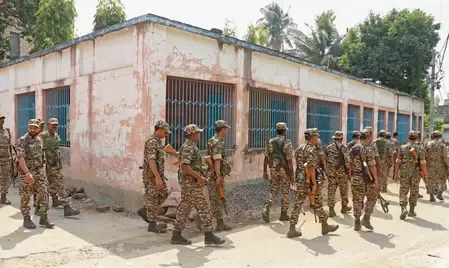
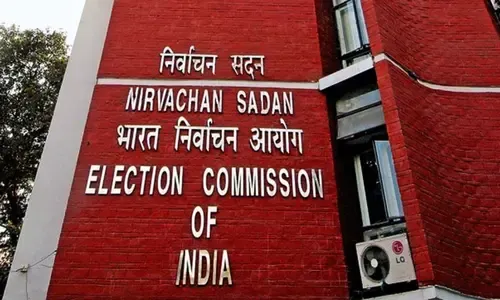
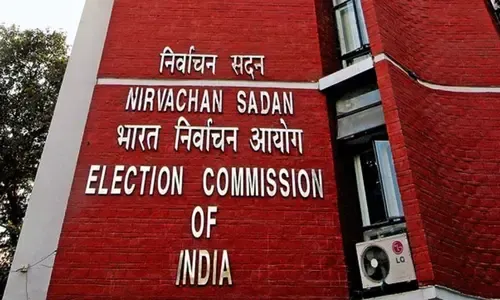
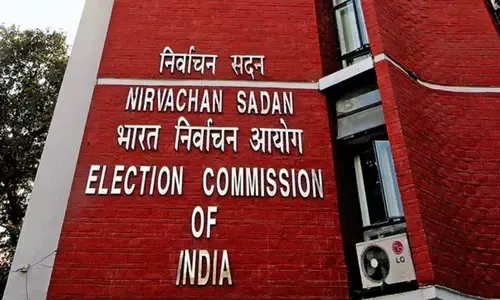
Kolkata, Jan 15 (NationPress) The Election Commission of India (ECI) is set to evaluate the history of election-related violence across the past seven elections in West Bengal since 2014 as a key factor for determining the deployment strategy of the Central Armed Police Force (CAPF) for the upcoming 2026 Assembly polls in the state.
The elections that will be scrutinized for their violence records include the Lok Sabha elections of 2014, 2019, and 2024, as well as the state Assembly elections of 2016 and 2021, and the local panchayat elections held in 2018 and 2023.
In response to these incidents, the ECI has requested comprehensive reports from police stations detailing instances of poll-related violence and casualty statistics for these seven electoral events, as indicated by sources from the office of the Chief Electoral Officer (CEO), West Bengal.
Furthermore, the Commission is also seeking reports on the current status of individuals with criminal records in relation to these matters.
“Based on the analysis of these reports, the Commission will not only determine the number of CAPF units to be deployed for this year’s Assembly elections but also how those units will be distributed according to the sensitivity of various areas and polling stations,” revealed a source from the CEO’s office.
This year, the CAPF deployment is anticipated to be significantly higher than in previous elections, following a recommendation from the CEO’s office to the ECI to conduct the 2026 West Bengal Assembly polls in either one or two phases, rather than the previous seven to eight phases.
A recent meeting at the ECI’s headquarters in New Delhi, led by Chief Election Commissioner (CEC) Gyanesh Kumar and attended by all CEOs from poll-bound states and a union territory, discussed this matter.
A source from the CEO’s office noted that a single-phase or two-phase election could bring both benefits and drawbacks.
“The advantage lies in preventing political parties from moving supporters between areas, thus addressing long-standing concerns regarding the mobilization of outsiders to intimidate voters on election day,” explained the insider.
However, such a format would necessitate a greater deployment of CAPF, particularly on polling day. “If the Commission can secure this arrangement, the concept of a single-phase or two-phase election is indeed viable,” the insider clarified.
The ongoing Special Intensive Revision (SIR) in West Bengal is set to conclude with the release of the final voters’ list on February 14. Following this, the ECI is expected to announce the election dates for the Assembly polls.
Point of View
It’s crucial to approach this development with an unbiased lens. The ECI's decision to evaluate historical violence in elections underscores the importance of security in the democratic process. Ensuring a safe voting environment is fundamental to upholding the principles of democracy, and it will be interesting to see how these measures are implemented in the upcoming elections.
NationPress
1 Oct 2026
Frequently Asked Questions
What is the significance of the ECI considering past election violence?
The ECI aims to enhance security measures by evaluating past violence to determine CAPF deployment for the 2026 elections.
How many elections are being analyzed for violence records?
The ECI is analyzing records from the last seven elections in West Bengal since 2014.
What changes are expected in the election phases?
There is a recommendation to conduct the 2026 elections in one or two phases, unlike the previous seven to eight phases.
What are the potential benefits of a single-phase election?
A single-phase election may prevent political parties from mobilizing supporters across different areas, reducing intimidation of voters.
When will the final voters' list be published?
The final voters' list is expected to be published on February 14, ahead of the election announcements.