Is Safe Use of Roads a Fundamental Right Under Article 21?
Synopsis
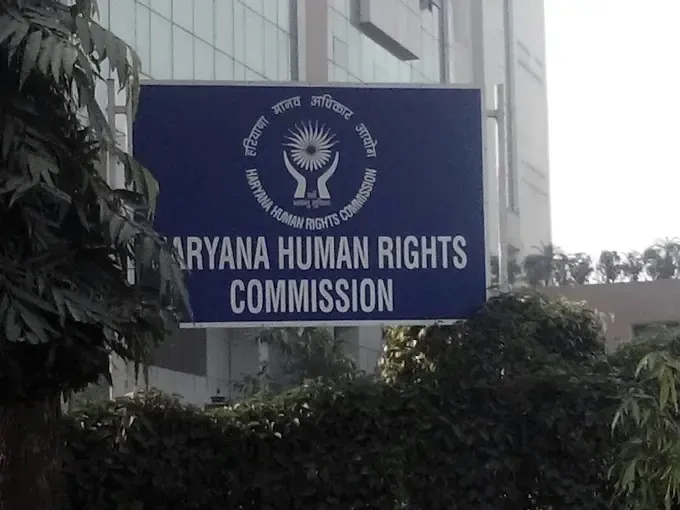
The Haryana Human Rights Commission asserts that the safe use of public roads is a fundamental human right under Article 21. This critical stance highlights the importance of road safety measures and the accountability of authorities to ensure citizens' safety on the roads.
Key Takeaways
Safe use of public roads is a fundamental human right.
Negligence in road safety measures is a violation of human rights.
Authorities are urged to improve road infrastructure for citizen safety.
Traffic police play a crucial role in enforcing road safety regulations.
Compliance reports are mandatory for all relevant authorities.
Chandigarh, Jan 16 (NationPress) The Haryana Human Rights Commission (HHRC) has taken a definitive stance on road safety, asserting that the safe utilization of public roadways by citizens constitutes a fundamental aspect of the right to life enshrined in Article 21 of the Constitution of India.
The Commission emphasized that negligence in road infrastructure transcends mere administrative failure and is a clear infringement of human rights.
During the review of a complaint, the full Commission, led by Justice Lalit Batra, recognized that numerous issues have emerged concerning interdepartmental jurisdiction and accountability for road signage, thermoplastic markings, cat-eyes, dividers, and other crucial safety measures. Consequently, the Commission has requested detailed and updated reports from all relevant authorities, including NHAI, PWD, Haryana State Roads and Bridges Development Corporation (HSRDC), and Urban Local Bodies.
Highlighting the responsibilities of the Additional Director General of Police, Traffic and Highways, along with the Karnal Police Department, the Commission noted that it is the constitutional mandate of the state to safeguard the life and safety of its citizens.
In fulfilling this duty, the Police Department, particularly the traffic division, plays a vital and supportive role in enforcing road safety. Their responsibilities encompass: effective traffic regulation and strict enforcement of traffic laws; prevention of reckless driving, such as over-speeding, driving on the wrong side, misuse of high-beam lights, and violations of lane discipline; taking decisive action against offenders; and identifying accident-prone areas and “black spots”.
The Commission has issued directives to ensure the proper development and ongoing maintenance of central verges and dividers on all major roads throughout Haryana, particularly on wide carriageways and multi-lane roads with two to six lanes. It has urged the installation and upkeep of adequate cat-eyes and retro-reflective road studs at suitable intervals across all lanes to guarantee clear lane demarcation, especially at night; additionally, on roads with six or more lanes, including six-lane and eight-lane roads, delineators should be installed on both sides of the central divider and verge to enhance road identification and provide better visual guidance to drivers.
Commission Assistant Registrar Puneet Arora stated on Friday that, according to the Commission's orders, the right of citizens to safely access public roads is an inseparable part of the Right to Life under Article 21 of the Constitution of India.
Safe road infrastructure is not simply an administrative duty but a human rights necessity. Any negligence in this regard adversely impacts the human right of citizens to safely utilize public roads, he added.
All relevant authorities have been instructed to submit compliance reports accompanied by photographic evidence at least one week before the next hearing on April 9.
Point of View
The assertion made by the Haryana Human Rights Commission underlines the essential intersection of road safety and fundamental rights. This move signals a broader commitment to uphold human dignity and safety, reinforcing the notion that safe transportation is a right for all citizens.
NationPress
28 Sept 2026
Frequently Asked Questions
What did the Haryana Human Rights Commission state about road safety?
The HHRC stated that the safe use of public roads is a fundamental aspect of the right to life under Article 21 of the Constitution of India.
Why is road infrastructure negligence considered a human rights violation?
Neglect in road infrastructure is viewed as a direct infringement of human rights, as it compromises the safety and lives of citizens.
What measures is the Commission advocating for road safety?
The Commission is advocating for improved road signage, thermoplastic markings, adequate cat-eyes, and regular maintenance of road dividers and central verges.
What role does the traffic police play in road safety?
The traffic police are responsible for enforcing traffic laws, preventing reckless driving, and identifying accident-prone areas to enhance road safety.
When is the next hearing scheduled?
The next hearing is scheduled for April 9, where authorities must submit compliance reports.