Bengal bypolls 2026: Ritabrata Banerjee's first electoral test against Mamata in Nandigram, Rejinagar
Synopsis
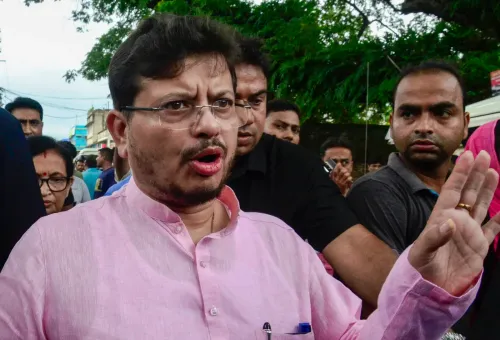
Ritabrata Banerjee — a little-known former SFI leader turned Trinamool rebel, now the official Leader of Opposition in West Bengal — faces his first direct electoral test against Mamata Banerjee's party in the October bypolls. The results in Nandigram and Rejinagar will determine whether his breakaway bid is a durable political project or simply an opportunistic split with no grassroots mandate.
Key Takeaways
Ritabrata Banerjee 's rebel Trinamool Congress faction is contesting both Nandigram and Rejinagar seats in the October 2026 West Bengal Assembly by-elections.
15 September 2026 was the last day for filing nominations; Ritabrata is officially recognised as Leader of Opposition in the West Bengal Assembly.
Ritabrata, 46 , won the Uluberia Purba seat on a Trinamool ticket, defeating his closest BJP rival by about 11,800 votes , before turning rebel.
The faction is fighting Mamata Banerjee 's camp before the Election Commission of India over the Trinamool's name, assets, and twin-floret symbol — no final verdict yet.
Rejinagar is in Murshidabad , where an estimated 70% of the population is Muslim; the seat was previously won by Humayun Kabir 's Aam Janata Unnayan Party .
Analysts compare Ritabrata's trajectory to Eknath Shinde (Shiv Sena split) and Ajit Pawar (NCP split), though each context differs.
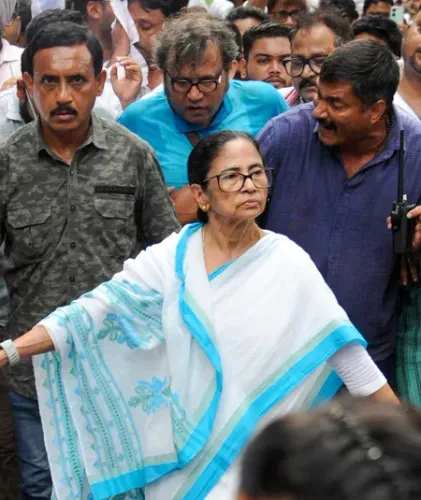
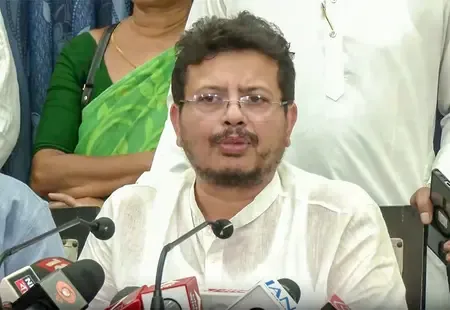
Ritabrata Banerjee, the 46-year-old rebel Trinamool Congress (TMC) leader now officially recognised as the Leader of Opposition in the West Bengal Assembly, faces his first major electoral examination as his breakaway faction contests the upcoming October 2026 Assembly by-elections in Nandigram and Rejinagar. With Wednesday, 15 September 2026 marking the last day for filing nominations, the rebel faction's decision to field candidates in both seats has placed Ritabrata in direct confrontation with Trinamool chief Mamata Banerjee, now 71, at the hustings for the first time.
The Two Seats and What They Represent
The choice of Nandigram is loaded with symbolism. It was here that Mamata Banerjee famously lost to Suvendu Adhikari in the 2021 Assembly elections, before returning to power through a by-election from her home constituency of Bhabanipur. Ritabrata had initially signalled that his faction would avoid Nandigram if Mamata chose to contest there herself — a tacit acknowledgement of her dominance in that seat. With Mamata reportedly staying out of the race this time, the rebel faction has moved in.
Rejinagar, located in Murshidabad district — where an estimated 70 per cent of the population is Muslim — carries a different calculus. The seat was won last year by the Aam Janata Unnayan Party, founded by Humayun Kabir, complicating a straightforward TMC-versus-rebel read. For the Ritabrata faction, the vote share in Rejinagar may matter as much as the result in Nandigram.
Who Is Ritabrata Banerjee
Ritabrata's political journey began in the student politics of Kolkata. A graduate of Asutosh College and later Calcutta University, he rose through the Students Federation of India (SFI) — the student wing of the Communist Party of India (Marxist) [CPI(M)] — eventually becoming SFI national general secretary in 2008. His oratory and organisational skills earned him recognition, but his career was also marked by controversy: he was expelled from the CPI(M) in 2017 over alleged misconduct and clashes with senior leadership.
He then served out his Rajya Sabha term as an independent before joining the Trinamool Congress in 2020, securing another Rajya Sabha term in 2024. At the 2026 Assembly elections, he won the Uluberia Purba constituency in Howrah district on a Trinamool ticket, defeating his closest Bharatiya Janata Party (BJP) rival by approximately 11,800 votes. Following the Trinamool's broader electoral defeat, he turned rebel — alleging wrongdoing within the party — and was subsequently recognised as the official Leader of Opposition in the West Bengal Assembly, heading a breakaway group of MLAs.
The Party Symbol Battle and National Implications
The factional dispute is not confined to polling booths. Ritabrata's group is locked in a contest with Mamata's camp before the Election Commission of India (ECI) over the right to the Trinamool's name, organisational assets, and the party's twin-floret symbol. No final decision has been issued yet. The dispute has drawn national attention, as Ritabrata is increasingly viewed as a figure who could fracture one of India's most powerful regional parties.
Analysts draw parallels with earlier intra-party splits. His trajectory has been compared to that of Eknath Shinde, who carved a majority out of the Shiv Sena, though Shinde's contest was against Uddhav Thackeray — not the party's founder. A closer comparison, some argue, is Ajit Pawar, who broke from his uncle Sharad Pawar over the Nationalist Congress Party (NCP) — a fight over the 'original' claim that continues even after Sharad Pawar's death. The Samajwadi Party precedent is also cited: Akhilesh Yadav took effective control of the party in a January 2017 internal coup before going on to rebuild its electoral base.
Opposition Vote Split and the BJP Angle
Some analysts argue that the rebel faction's presence on the ballot could split the Opposition vote, potentially benefiting the ruling BJP. Critics contend that Ritabrata is positioning himself as Mamata's primary rival while implicitly aligning with the Suvendu Adhikari-led state government — an allegation the rebel faction has not publicly addressed.
Notably, within his former party, reactions to Ritabrata remain sharply divided. Former CPI(M) colleagues describe him as ambitious and flamboyant; Trinamool loyalists dismiss him as an opportunist; while his own colleagues in the rebel faction claim he has provided a platform to challenge earlier wrongdoings within the party.
What the October By-Elections Will Decide
The October 2026 by-elections are unlikely to redraw West Bengal's political map on their own, but they will serve as a credibility test for Ritabrata's breakaway project. A strong vote share — even without a seat win — could consolidate his legitimacy with the ECI, strengthen his claim to the Trinamool brand, and signal whether the rebel faction has an independent voter base or is purely a creature of anti-Mamata sentiment. The results will be watched closely across the country for what they reveal about the durability of regional party splits in Indian democracy.
Point of View
Since both men had the advantage of a sitting government behind them. Ritabrata is fighting from Opposition benches, against an entrenched political machine, in a state where Trinamool's organisational depth is unmatched. If the rebel faction cannot secure a meaningful vote share in either seat, the ECI battle over the symbol becomes harder to sustain, and the whole enterprise risks fading as a footnote to Mamata's political biography rather than the opening chapter of a new political force.
NationPress
16 Sept 2026
Frequently Asked Questions
What are the West Bengal Assembly by-elections in October 2026 about?
The by-elections concern two seats — Nandigram and Rejinagar — and serve as the first major electoral test for Ritabrata Banerjee 's rebel Trinamool faction, which has officially entered both contests. The results will indicate whether the breakaway group has independent electoral support or is primarily a legislative manoeuvre.
Who is Ritabrata Banerjee and why is he significant?
Ritabrata Banerjee , 46, is a former SFI national general secretary and ex- CPI(M) leader who joined Trinamool Congress in 2020 and won the Uluberia Purba Assembly seat in 2026. After the Trinamool's broader defeat, he led a breakaway group that has been officially recognised as the Leader of Opposition in the West Bengal Assembly, and his faction is now fighting Mamata's party for the right to the Trinamool name and symbol.
Why does Nandigram carry special significance in this contest?
Nandigram is the seat where Mamata Banerjee lost to Suvendu Adhikari in the 2021 elections, forcing her to seek re-election from Bhabanipur to become Chief Minister. Ritabrata had pledged to stay out of Nandigram if Mamata entered the race herself; with Mamata reportedly not contesting, his faction has fielded a candidate there, heightening the symbolic stakes.
Could the rebel faction's presence split the Opposition vote and help the BJP?
Some analysts argue that fielding candidates in both seats risks dividing the Opposition vote, potentially benefiting the ruling Bharatiya Janata Party (BJP) . Critics suggest Ritabrata's positioning as Mamata's rival implicitly aligns him with the Suvendu Adhikari -led state government, though the rebel faction has not publicly responded to this charge.
What is the Election Commission dispute over the Trinamool name and symbol?
Both Ritabrata's rebel faction and Mamata Banerjee's camp have presented arguments before the Election Commission of India (ECI) over ownership of the Trinamool Congress name, party assets, and the twin-floret election symbol. No final decision has been issued as of 15 September 2026 ; the outcome will have major consequences for both factions' ability to contest future elections under the Trinamool brand.