West Bengal 'One Class, One Teacher' policy likely from next academic year
Synopsis
West Bengal is weighing a bold classroom accountability reform — one teacher, one class, all subjects, all year — and plans to tie teacher pay increments directly to student outcomes. With a 1:50 teacher-student ratio at secondary level and 13,000 new primary hires proposed, the state is attempting a structural overhaul of public schooling that goes beyond policy optics.
Key Takeaways
West Bengal is considering a 'One Class, One Teacher' policy for primary schools from the next academic year.
Under the proposal, one teacher will handle all subjects for an assigned class for the full academic year.
Annual teacher increments would be linked to the academic progress of their assigned class.
Current teacher-to-student ratio is 1:26 at primary level and 1:50 at secondary level.
Recruitment of 13,000 primary teachers is planned to improve the ratio to 1:20 .
The All-Bengal Primary Teachers' Association has welcomed the proposal.
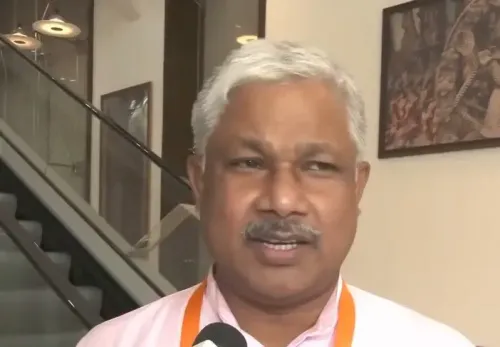
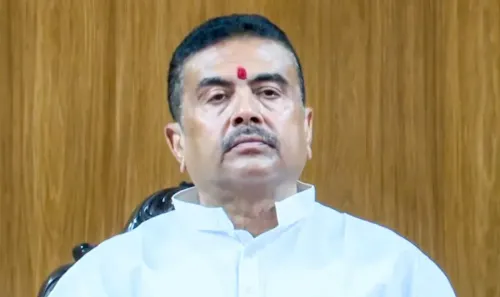
West Bengal's School Education Department is actively considering a 'One Class, One Teacher' policy for state primary schools, with state school education minister Dipak Burman announcing on Thursday, 29 October 2026, that the initiative could be rolled out from the next academic year. The proposal would assign a single teacher full responsibility for all subjects in a given class, and would also link the teacher's annual increments to the academic progress of that class.
What the Policy Entails
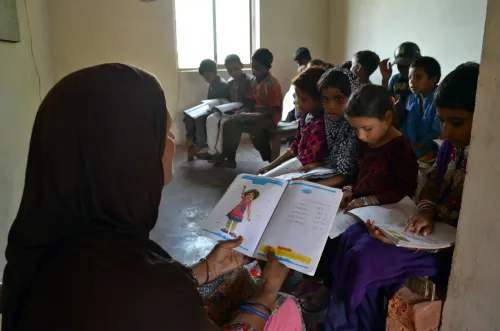
Under the proposed framework, each teacher would take ownership of one class for the entire academic year, handling all subjects rather than rotating across classrooms. Minister Burman explained that the model is designed to deepen the bond between teachers and students and improve overall education quality.
'When a teacher takes charge of a class for an entire year, he will get a clear idea of the weaknesses and strengths of the students, which will help in their overall development,' Burman said. He added that alongside the pedagogical shift, the government has plans to 'bring major changes in the evaluation process of teachers.'
Notably, the proposal also ties financial incentives to outcomes — annual increments for teachers would be linked to student progress, a significant shift from the current seniority- and service-based increment structure.
The Rationale: Accountability and Ownership
Burman cited discussions with academicians as the basis for the reform. 'After discussing the issues with academicians, we observed that if each of us has a fixed responsibility, then our dedication to that work also increases,' he said. The minister framed this as a structural solution to a systemic problem: when teachers are spread across multiple classes, sustained engagement with any individual student becomes difficult.
This comes amid broader concerns about learning outcomes in government primary schools across India, where multi-grade and multi-subject teaching arrangements have long been flagged as a barrier to quality education.
Teacher-to-Student Ratio: Plans for Improvement
The minister also outlined the state government's strategy to address the teacher shortage underlying much of the problem. The current teacher-to-student ratio in West Bengal's primary section stands at 1:26, and in the secondary section at approximately 1:50.
'If 13,000 teachers are recruited at the primary level, the ratio can be improved to 1:20 at that level,' Burman said, adding that similar corrective steps are planned for the secondary level. The recruitment drive, if executed, would be one of the largest teacher hiring exercises in the state in recent years.
Teachers' Body Backs the Move
The proposal has already drawn support from the All-Bengal Primary Teachers' Association. General secretary Dhrubsekhar Mondal welcomed the idea, saying, 'It is necessary to give responsibility to one teacher for each class. If one teacher is given responsibility for multiple classes, it is difficult to ensure the overall progress of the students.'
The association's endorsement adds credibility to the proposal, though implementation timelines and the specifics of the teacher evaluation overhaul are yet to be formally announced. The government is expected to share detailed guidelines ahead of the next academic year.
Point of View
It creates accountability where little currently exists in government primary schools. Done poorly, it penalises teachers for structural deficits — overcrowded classrooms, absent infrastructure, students from disadvantaged backgrounds — that no individual educator can fix alone. West Bengal's secondary teacher-student ratio of 1:50 is a systemic failure that no pedagogical model can paper over without the 13,000 recruitments actually materialising. The real test of this reform is not the announcement but whether the hiring targets, the evaluation framework, and the increment criteria are transparent, fair, and implemented on schedule.
NationPress
29 Oct 2026
Frequently Asked Questions
What is West Bengal's 'One Class, One Teacher' policy?
It is a proposed education reform under which a single teacher would be responsible for teaching all subjects to one assigned class throughout the academic year in state primary schools. The policy also proposes linking teacher annual increments to student academic progress.
When could the 'One Class, One Teacher' policy be implemented?
State school education minister Dipak Burman indicated the policy could be introduced from the next academic year. Detailed guidelines have not yet been formally announced.
Why is West Bengal introducing this policy?
The government believes that fixed classroom responsibility increases teacher dedication and strengthens the teacher-student bond. Minister Burman said discussions with academicians showed that assigning clear, individual accountability improves both engagement and learning outcomes.
What is the current teacher-to-student ratio in West Bengal schools?
The teacher-to-student ratio in West Bengal's primary section currently stands at 1:26, while in the secondary section it is approximately 1:50. The government plans to recruit 13,000 primary teachers to bring the primary ratio down to 1:20.
Have teachers' bodies supported the proposal?
Yes, the All-Bengal Primary Teachers' Association has welcomed the proposal. General secretary Dhrubsekhar Mondal stated that giving one teacher responsibility for multiple classes makes it difficult to ensure the overall progress of students.