Bengal health dept identifies docs who misused service quota under TMC rule

Synopsis
West Bengal's health department has uncovered a pattern of service-quota manipulation — junior doctors allegedly close to the previous TMC government secured postgraduate seats without fulfilling the mandatory three-year rural service rule. The probe has also named senior department officials as enablers, and a doctor linked to the R.G. Kar rape-murder controversy has surfaced among those identified.
Key Takeaways
The West Bengal Health Department has begun identifying junior doctors who allegedly secured service quota seats for higher studies without completing three years of mandatory rural service .
A four-member probe committee has submitted its report, implicating both beneficiary doctors and senior departmental officials who reportedly enabled the irregularities.
The alleged violations reportedly occurred during the Mamata Banerjee -led TMC government's tenure.
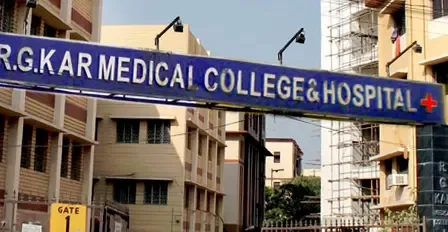
Avik Dey , a doctor whose name had earlier appeared in the R.G.
Kar rape and murder case controversy of August 2024 , has been identified in the probe.
State Health Minister Dr Sharadwat Mukherjee said he is yet to review the report and will announce next steps after studying it.
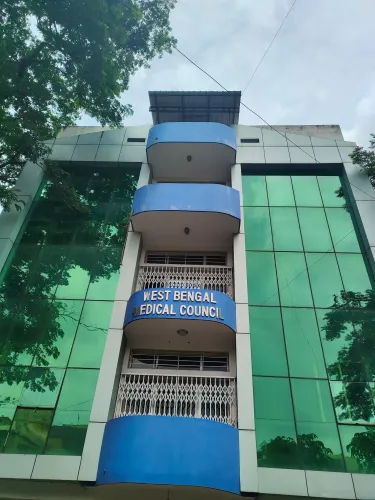
The West Bengal Health Department has launched a formal process to identify junior doctors who allegedly secured higher-studies opportunities under the service quota in state-run medical colleges and hospitals without meeting mandatory eligibility criteria — a practice that reportedly flourished during the previous Mamata Banerjee-led Trinamool Congress (TMC) government.
What the Rules Require
Under existing norms, any junior doctor seeking admission to a postgraduate programme through the service quota at a government medical institution must first complete three years of mandatory service in remote rural areas of the state. According to a health department insider, a recently concluded probe found that several junior doctors — reportedly those with close ties to the then-ruling party — bypassed this requirement entirely.
'The general rule is that any junior doctor getting opportunity for higher studies in any state-run medical college and hospital under the service quota is required to mandatorily render three years of service in remote rural areas in the state to avail that opportunity,' the official said.
What the Probe Found
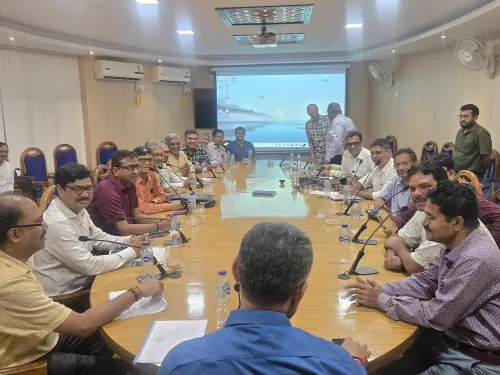
A four-member committee appointed by the state health department has already submitted its report on the matter. The panel identified instances of the service-quota norm being violated and also flagged the role of certain senior officers within the department. According to the insider, the probe committee concluded that such irregularities could not have occurred without the direct patronage of influential departmental officials.
'The probe committee had also mentioned the involvement of some erstwhile influential officers in the state health department, without whose direct patronage such irregularities in the utilisation of the service quota would not have been possible,' the official added, noting that action against departmental staff is also now being planned.
RG Kar Link Surfaces
Notably, one of the junior doctors identified in the probe report is Avik Dey, a name that had previously surfaced during the controversy surrounding the R.G. Kar Medical College rape and murder case in August 2024. The connection has added political weight to the ongoing investigation, drawing fresh scrutiny to alleged networks of patronage within the state's public health system.
What the Minister Said
State Health Minister Dr Sharadwat Mukherjee, who is a medical practitioner himself, told reporters he is yet to study the probe report in full. He said that once he has reviewed it, he will announce the next steps required. The final decision on action against both the beneficiary doctors and the enabling officials, according to a department source, rests with the minister and senior departmental leadership.
What Happens Next
The department's dual focus — on the junior doctors who allegedly benefited and on the senior officers who allegedly facilitated the irregularities — signals a broad accountability sweep. With the committee's report already on record, observers will watch whether the findings translate into departmental proceedings, cancellation of admissions, or criminal referrals. The case is being closely watched as a test of the current state government's willingness to pursue accountability within its own administrative machinery.
Point of View
Particularly against senior officials, who are far harder to prosecute than junior beneficiaries. If the probe stops at stripping a few doctors of seats without pursuing the enabling officers, it will confirm a familiar pattern: peripheral accountability, structural impunity.
NationPress
26 Sept 2026
Frequently Asked Questions
What is the West Bengal service quota controversy about?
The controversy centres on junior doctors allegedly securing postgraduate study seats through the service quota at government medical colleges without completing the mandatory three years of rural service. A state health department-appointed probe committee has identified such cases and flagged senior officials who reportedly enabled the violations.
What does the service quota rule require?
Under the applicable rules, junior doctors must complete three years of mandatory service in remote rural areas of West Bengal before they can avail the service quota for higher studies in state-run medical colleges and hospitals.
Who is Avik Dey and why is he mentioned?
Avik Dey is one of the junior doctors identified by the probe committee as having allegedly benefited from the service quota without meeting eligibility criteria. His name had earlier surfaced in connection with the R.G. Kar Medical College rape and murder case controversy of August 2024.
What action will the health department take?
State Health Minister Dr Sharadwat Mukherjee has said he is yet to fully review the probe report and will announce next steps after studying it. Action is reportedly being planned against both the identified junior doctors and the senior departmental officials who allegedly patronised them.
Which government is being held responsible for the irregularities?
The irregularities are attributed to the period of the previous Mamata Banerjee-led Trinamool Congress government. The current state health department under the new dispensation has initiated the identification process based on the four-member probe committee's report.