Bengal govt sets up judicial panel to probe TMC-era corruption, 2011–2026
Synopsis
West Bengal's new government has launched a sweeping judicial probe into 15 years of alleged TMC-era corruption — spanning education, housing, panchayats, and police excesses — with powers to recommend FIRs and direct recovery of looted funds. Combined with pending white papers and the revival of CAG tabling, it is the most comprehensive accountability push the state has seen in decades.
Key Takeaways
The West Bengal government formed a judicial commission on 14 July to probe institutional corruption during the TMC government from 2011 to 2026 .
The panel will be headed by Justice Biswajit Basu (retired) , former judge of the Calcutta High Court .
Departments under scrutiny include education, food and supply, housing, fisheries, relief and disaster management, and municipal and panchayat areas .
The commission can recommend FIR registration and advise on recovery of looted funds from offenders.
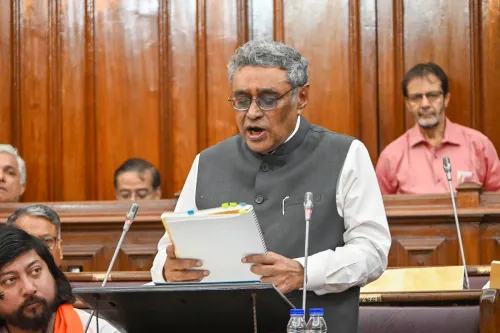
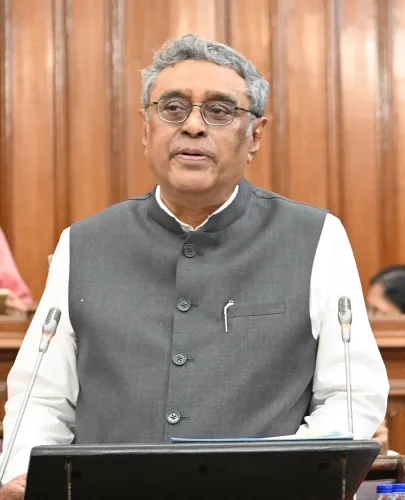
Finance Minister Swapan Dasgupta has separately announced department-wise white papers on financial irregularities under the previous government.
The new government will table CAG reports in the West Bengal Assembly — a practice reportedly discontinued under the previous administration.
The West Bengal government on Tuesday, 14 July announced the formation of a judicial commission to investigate institutional corruption across multiple state departments during the Mamata Banerjee-led All India Trinamool Congress (TMC) government's tenure from 2011 to 2026. The commission will be chaired by Justice Biswajit Basu (retired), a former judge of the Calcutta High Court.
Scope of the Investigation
According to the official notification issued from Nabanna, the state secretariat, the commission's mandate covers alleged financial irregularities in several key departments — including education, food and supply, relief and disaster management, municipal and panchayat-controlled areas, housing, and fisheries — spanning the full 15-year period of TMC rule. The probe will also extend to allegations of police excesses, including the illegal detention of individuals and the filing of false cases against innocent persons, according to an insider from the state secretariat.
Structure of the Commission
While Justice Basu will head the commission, investigative work will be conducted under the supervision of a senior Indian Police Service (IPS) officer. Administrative functions will be managed by either an Indian Administrative Service (IAS) officer or a senior West Bengal Civil Service (WBCS) officer, while technical aspects will be handled by a West Bengal Revenue Service (WBRS) officer. Additional members may be inducted if required, the secretariat insider added.
Powers and Accountability Mechanisms
The commission has been granted authority to summon any individual for questioning. If it concludes that corruption has taken place, it can recommend that police register First Information Reports (FIRs) in those matters. Crucially, the panel will also advise the government on how funds allegedly looted through corruption could be recovered from those found responsible. The commission is required to submit periodic progress reports to the state government.
'If the said commission believes that corruption has occurred, it can recommend registering FIRs by the police in the matters. The commission will submit periodic progress reports on investigation to the state government,' the state secretariat insider said.
White Papers and CAG Reports
The commission's formation follows an announcement last month by West Bengal Finance Minister Swapan Dasgupta — a journalist-turned-politician — that the state government would release department-wise white papers on financial irregularities under the previous TMC administration. Dasgupta said those white papers would explain the accumulation of large debts over the 15 years of TMC governance and the alleged delays in key development projects.
Notably, the Finance Minister also stated that the new state government will henceforth place reports of the Comptroller and Auditor General (CAG) of India on the floor of the West Bengal Assembly — a practice that, according to the government, was ignored entirely during the previous administration. This signals a broader push for institutional accountability and fiscal transparency in the state.
What Comes Next
The judicial commission is expected to begin its work shortly, with its scope, staffing, and summons authority already formalised through the secretariat notification. With white papers, CAG tabling, and a judicial probe all moving in parallel, the new West Bengal government appears to be building a multi-front accountability architecture targeting the outgoing TMC era.
Frequently Asked Questions
What is the West Bengal judicial commission set up to investigate?
The commission will probe allegations of institutional corruption across multiple state departments — including education, food and supply, housing, fisheries, and panchayat-controlled areas — during the Trinamool Congress government's tenure from 2011 to 2026. It will also examine police excesses such as illegal detention and the filing of false cases.
Who is heading the West Bengal corruption probe commission?
Justice Biswajit Basu (retired), a former judge of the Calcutta High Court, will chair the commission. Investigative work will be supervised by a senior IPS officer, with administrative and technical roles filled by IAS, WBCS, and WBRS officers respectively.
What powers does the judicial commission have?
The commission can summon any individual for questioning. If it finds evidence of corruption, it can recommend that police register FIRs. It is also mandated to advise on how funds allegedly looted through corruption can be recovered from offenders, and must submit periodic progress reports to the state government.
What are the white papers announced by West Bengal Finance Minister Swapan Dasgupta?
Finance Minister Swapan Dasgupta announced department-wise white papers that will detail financial irregularities under the previous TMC government. The papers are expected to explain the accumulation of large state debts over 15 years and delays in key development projects.
Why is the tabling of CAG reports significant?
The new West Bengal government has committed to placing Comptroller and Auditor General (CAG) reports before the state assembly — a constitutional requirement that, according to the government, was not followed during the previous Mamata Banerjee-led administration. Tabling CAG reports enables legislative scrutiny of government finances and is a basic transparency norm.