Bengal BJP govt's white papers on TMC rule to target 6 key irregularities
Synopsis
West Bengal's new BJP government isn't just taking office — it's building a paper trail. A five-member ministerial panel will produce department-wise white papers covering 15 years of alleged TMC misrule across six fronts: financial irregularities green-lit from the Chief Minister's Office, a private vote-strategist's grip on state files, recruitment scams, inflated business summits, hospital corruption, and interference in crime investigations.
Key Takeaways
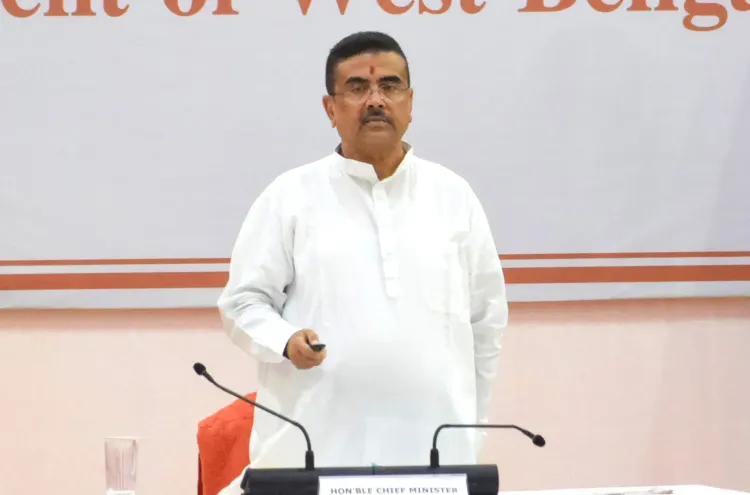
The BJP government in West Bengal under CM Suvendu Adhikari will release department-wise white papers on alleged TMC irregularities from 2011 to 2026 .
A five-member ministerial committee chaired by Finance Minister Swapan Dasgupta will oversee preparation and publication.
The papers will focus on six areas : CMO-level financial irregularities, a private vote-strategist's role, recruitment scams, Bengal Global Business Summit spending versus outcomes, healthcare corruption, and interference in crime investigations.
Statutory bodies named include the West Bengal School Service Commission , West Bengal Public Service Commission , West Bengal Board of Primary Education , and West Bengal College Service Commission .
CAG reports will henceforth be tabled in the West Bengal Legislative Assembly , reversing a practice omitted under the previous government.
The committee will also recommend legal steps to address irregularities identified under each area.
The Bharatiya Janata Party (BJP) government in West Bengal, led by Chief Minister Suvendu Adhikari, is preparing department-wise white papers to document alleged financial irregularities during the 15-year tenure of the All India Trinamool Congress (TMC) under former Chief Minister Mamata Banerjee from 2011 to 2026. The papers will focus on six key areas, according to cabinet insiders, and are expected to form the most comprehensive official audit of the previous regime's governance record.
Ministerial Committee to Oversee the Process
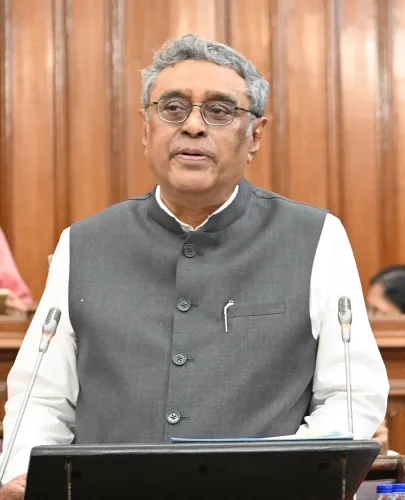
The state cabinet has approved the formation of a five-member ministerial committee to supervise the preparation and publication of the white papers. Finance Minister Swapan Dasgupta — a journalist-turned-politician — will chair the committee. Dasgupta had first announced the white paper initiative while addressing the West Bengal Legislative Assembly during the recently concluded budget session.
Beyond cataloguing alleged irregularities, the committee has been tasked with suggesting remedial measures and identifying potential legal action that could be pursued under each of the six areas, according to a cabinet insider.
The Six Focus Areas
The first area will examine financial irregularities across various departments that, according to cabinet insiders, were allegedly facilitated by direct approval from the Chief Minister's Office during the previous regime.
The second area will scrutinise the role of a private agency that reportedly acted as a vote strategist for the TMC government and allegedly handled confidential state government files while influencing department-level policy decisions — an arrangement critics argue blurred the line between party and state.
The third area will detail recruitment irregularities in appointments made by statutory bodies including the West Bengal Public Service Commission, the West Bengal School Service Commission, the West Bengal Board of Primary Education, and the West Bengal College Service Commission. Cabinet insiders indicated that the white paper will identify both the alleged masterminds and the beneficiaries of these irregularities.
The fourth area will assess expenditures incurred in organising the Bengal Global Business Summit (BGBS) — the annual investment conclave held under the Banerjee government — against the actual investment that materialised from those events.
The fifth area will document alleged corruption within government-run medical colleges and hospitals, which insiders say enriched certain individuals at the cost of patients and healthcare workers.
The sixth and final area will examine how alleged interference by the previous ruling party influenced criminal investigations in the state, particularly in cases involving crimes against women and children.
What Finance Minister Dasgupta Said
Swapan Dasgupta stated that the white papers would also explain why the state accumulated a significant debt burden over the 15 years of TMC rule and why several key development projects faced prolonged delays. He added that the exercise was aimed not merely at highlighting past wrongdoing but at assigning departmental accountability and closing corruption loopholes going forward.
Dasgupta also announced that the new government would henceforth table reports of the Comptroller and Auditor General (CAG) of India on the floor of the Assembly — a practice he said was neglected under the previous administration. He framed the broader initiative as a transparency drive to keep citizens informed about how public funds were managed.
Context and What Comes Next
The white paper initiative comes as the BJP consolidates its hold on West Bengal after ending TMC's 15-year run in the state. Notably, the recruitment scams in state-run educational bodies had already triggered prolonged protests and court proceedings before the change of government, lending pre-existing judicial weight to several of the areas the white papers will address.
The five-member committee is expected to begin formal work shortly, with a publication timeline yet to be officially announced. How the TMC responds — and whether the white papers translate into concrete legal proceedings — will determine their political and administrative impact.
Point of View
And the BJP's six-area framing is clearly designed for maximum public impact — touching everything from school jobs to crime against women. The more consequential test is whether the papers lead to verifiable legal action or remain a political document. The inclusion of the Bengal Global Business Summit audit is particularly pointed: the BGBS was Mamata Banerjee's signature economic showcase, and scrutinising its actual investment yield versus headline pledges could reframe the entire narrative of her tenure. The CAG-tabling commitment, if sustained, would be a genuine institutional reform — but its credibility depends on whether the new government applies the same transparency standard to itself.
NationPress
1 Oct 2026
Frequently Asked Questions
What are the West Bengal white papers announced by the BJP government?
They are department-wise official documents being prepared by the BJP government under Chief Minister Suvendu Adhikari to detail alleged financial and administrative irregularities during the 15-year TMC rule from 2011 to 2026. The papers will cover six key areas and will also suggest remedial and legal measures.
What are the six areas the West Bengal white papers will cover?
The six areas are: financial irregularities allegedly approved by the Chief Minister's Office; a private vote-strategist agency's access to confidential state files; recruitment irregularities in bodies like the West Bengal School Service Commission; expenditure versus actual outcomes of the Bengal Global Business Summit; corruption in government medical colleges and hospitals; and alleged political interference in criminal investigations, especially crimes against women and children.
Who is overseeing the preparation of the white papers?
A five-member ministerial committee approved by the state cabinet will oversee the process, chaired by Finance Minister Swapan Dasgupta, a journalist-turned-politician.
What did Finance Minister Swapan Dasgupta say about the white papers?
Dasgupta said the white papers would explain the state's debt accumulation over 15 years of TMC rule, highlight development project delays, and assign departmental accountability. He also announced that CAG reports would henceforth be tabled in the Assembly — a practice he said was ignored under the previous government.
Will the white papers lead to legal action against TMC leaders?
According to cabinet insiders, the five-member committee has been tasked with suggesting legal steps that can be taken under each of the six areas. However, no specific charges or timelines for prosecution have been announced yet.