West Bengal Rajya Sabha poll: BJP set for clean sweep as Trinamool splits
Synopsis
With 206 assembly seats and Trinamool split into two factions — neither holding enough votes alone — the BJP is on course for a rare clean sweep of all three West Bengal Rajya Sabha seats on 24 July. The result could do more than pad the Upper House tally: it may determine which Trinamool faction the Election Commission recognises as the real party.
Key Takeaways
Three Rajya Sabha seats from West Bengal go to bypoll on 24 July , elected by single transferable vote among state MLAs.
BJP holds 206 seats in the 294-seat West Bengal Assembly, giving it enough votes to sweep all three seats.
Trinamool Congress 's 80 MLAs are split — the Ritabrata Banerjee group reportedly controls 62–65 , leaving the Kalighat faction with fewer than 20 .
Neither Trinamool faction alone can meet the threshold to elect a single Rajya Sabha member.
A blank result for the Kalighat Trinamool could weaken Mamata Banerjee 's case before the Election Commission of India in the ongoing party name and symbol dispute.
The outcome may accelerate further defections and legal contests over which group is the 'real' Trinamool Congress .
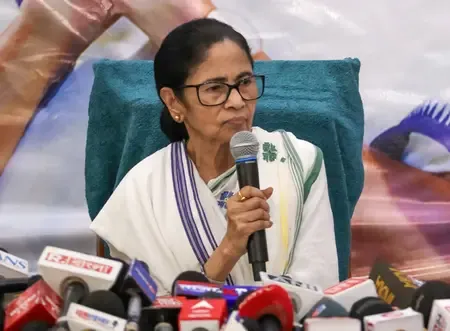
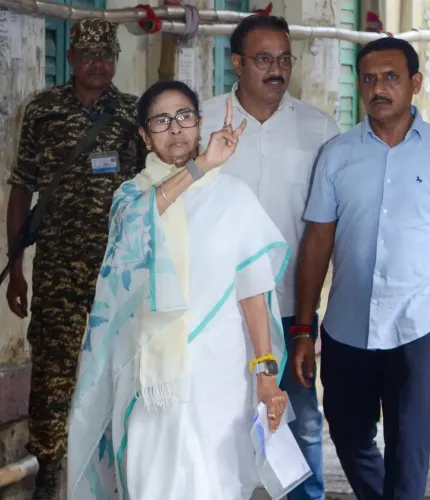
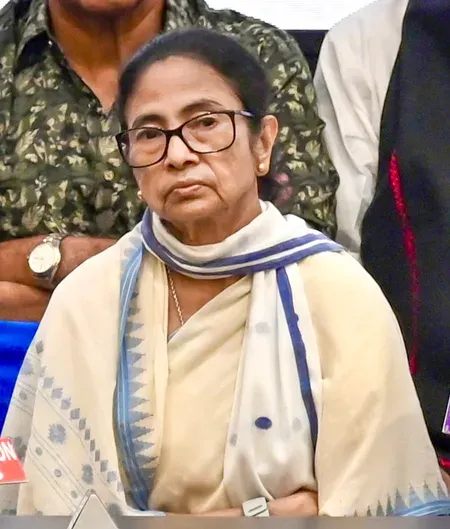
The All India Trinamool Congress (TMC) faces a near-certain shutout in the West Bengal bypolls to elect three Rajya Sabha members on 24 July, with the Bharatiya Janata Party (BJP) commanding a commanding majority in the state assembly and the Trinamool itself fractured into rival factions. For Mamata Banerjee, the TMC's founder and West Bengal's former Chief Minister, the election threatens to be more than a numerical setback — it could reshape the very question of who controls the party.
Assembly Numbers Favour BJP Clean Sweep
The BJP holds 206 seats in the West Bengal Assembly following Chief Minister Suvendu Adhikari's vacation of the Nandigram seat for Bhabanipur, where he defeated Mamata Banerjee in a direct contest. The effective strength of the 294-seat House is further reduced by one additional vacancy — former Trinamool leader Humayun Kabir having won from two Assembly constituencies simultaneously, leaving one seat contested.
Rajya Sabha members are elected by single transferable vote, where first-preference tallies and surplus transfers determine outcomes. With the current arithmetic, the BJP holds sufficient votes to secure all three seats comfortably, according to reports.
Trinamool's Internal Split Seals Its Fate
The Trinamool's 80 Assembly seats — won in this year's state elections — are now divided between two competing factions. The Ritabrata Banerjee group reportedly commands 62 to 65 MLAs, while the remaining legislators remain aligned with Banerjee's Kalighat faction. Critically, neither bloc alone commands the threshold required to elect even a single Rajya Sabha member.
What could have yielded at least one Upper House seat for a united Trinamool is, in its divided state, converting into a probable BJP sweep. Past precedents from other states show that splits within regional parties — and resultant cross-voting — have repeatedly altered Rajya Sabha arithmetic in the BJP's favour, enabling it to reclaim or expand representation in the Upper House.
What Is at Stake Beyond the Numbers
The implications stretch well beyond the 24 July result. A blank for the Kalighat Trinamool will directly weaken Mamata Banerjee's claim to organisational control of the party, while simultaneously strengthening the rebel faction's position in ongoing disputes before the Election Commission of India (ECI) and courts over the party's name and symbol.
Notably, the ECI has yet to adjudicate which group constitutes the 'real' Trinamool Congress — a determination that could hinge partly on demonstrated legislative strength. A Rajya Sabha shutout would hand the Ritabrata Banerjee faction a significant argument in that proceeding.
Broader Political Fallout for Mamata Banerjee
Analysts note that the coming weeks represent arguably the most consequential juncture in Mamata Banerjee's political career. At 71, she has navigated repeated political crises — including her party's near-collapse in the early 2010s — and rebuilt from minority positions before. However, the simultaneous pressure of an assembly majority loss, a party split, and an adverse Rajya Sabha outcome creates compounding vulnerabilities that are structurally different from earlier challenges she has overcome.
The political fallout may also accelerate defections and intensify legal contests over party identity and leadership, with the Kalighat Trinamool facing an uphill battle to retain both the party symbol and organisational credibility.
Point of View
And the 24 July outcome will become exhibit A in that proceeding. Mamata Banerjee has recovered from steeper odds before, but those recoveries came from outside pressure, not internal fracture. A split that hands the BJP a clean sweep — without a single vote cast by the public — is the kind of self-inflicted wound that party symbols and court orders alone cannot heal.
NationPress
6 Oct 2026
Frequently Asked Questions
How many Rajya Sabha seats are up for election in West Bengal and when?
Three Rajya Sabha seats from West Bengal are being contested in a bypoll on 24 July, with members elected by single transferable vote among state Assembly legislators.
Why is the BJP expected to win all three West Bengal Rajya Sabha seats?
The BJP holds 206 seats in the West Bengal Assembly, giving it sufficient first-preference votes and surplus to secure all three seats under the single transferable vote system. The Trinamool Congress, which holds 80 seats, is split into two factions — neither of which individually meets the threshold to elect even one member.
What is the Trinamool Congress split about?
The Trinamool's 80 Assembly MLAs are divided between the Ritabrata Banerjee-led rebel group, reportedly comprising 62–65 members, and the remaining legislators loyal to Mamata Banerjee's Kalighat faction. The split has triggered disputes before the Election Commission over the party's official name and symbol.
What does a Rajya Sabha blank mean for Mamata Banerjee's Kalighat faction?
A shutout on 24 July would weaken Mamata Banerjee's claim to organisational control of the Trinamool Congress and strengthen the rebel faction's position in ongoing Election Commission proceedings over the party name and symbol. It could also accelerate further defections.
How does the West Bengal Assembly's effective strength affect the Rajya Sabha poll?
The effective strength of the 294-seat House is reduced by at least two vacancies — one after Chief Minister Suvendu Adhikari vacated Nandigram for Bhabanipur, and another after former Trinamool leader Humayun Kabir won from two constituencies simultaneously. This marginally lowers the threshold per seat but does not change the BJP's commanding position.