Trinamool Congress fractures: 58 MLAs, 20 MPs in open revolt after Bengal defeat
Synopsis
Weeks after losing the West Bengal Assembly election, the Trinamool Congress is fracturing at every level: 58 of 80 MLAs and 20 of 28 Lok Sabha MPs have reportedly sought recognition as a separate bloc, a Rajya Sabha veteran has resigned, and the party's organisational machinery — built on consultants and centralised control — is unravelling in real time.
Key Takeaways
58 of TMC's 80 MLAs have claimed recognition as the 'original party' in the West Bengal Assembly following the election defeat.
20 of 28 TMC Lok Sabha MPs have reportedly made a similar request to the Lok Sabha Speaker's office , seeking recognition as a separate bloc aligned with the NDA .
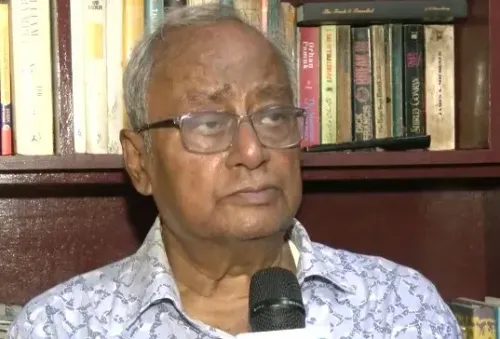
Rajya Sabha MP Sukhendu Sekhar Roy , 77 , resigned from the Upper House and the party on Monday ; his term was due to end in 2029 .
Former party Whip Kakoli Ghosh Dastidar , 66 , reportedly organised the dissenting MPs in New Delhi .
The rebellion mirrors the Maharashtra precedent, where Shiv Sena and NCP splits led to breakaway factions being recognised as the 'real' parties.
Final recognition decisions rest with the Election Commission of India and the respective presiding officers of Parliament and the Assembly.
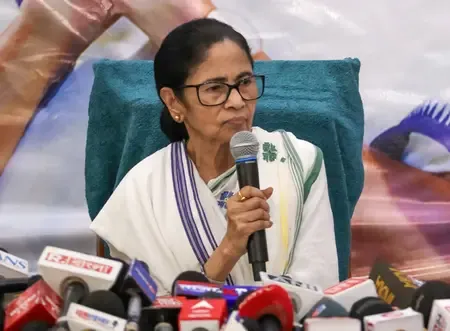
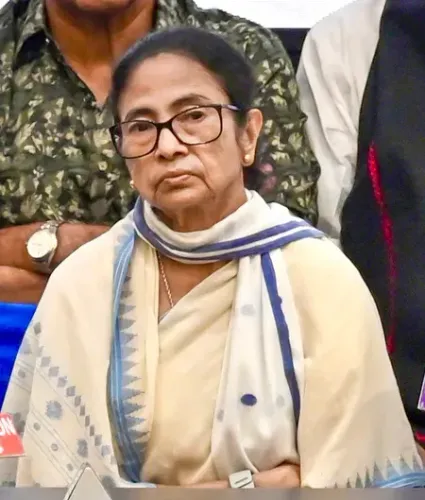
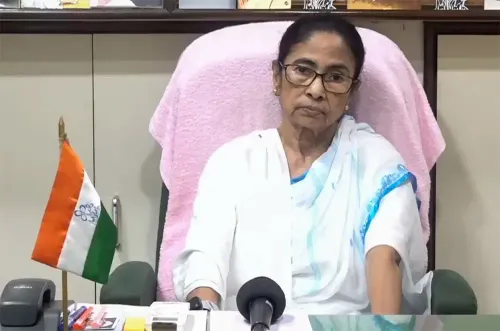
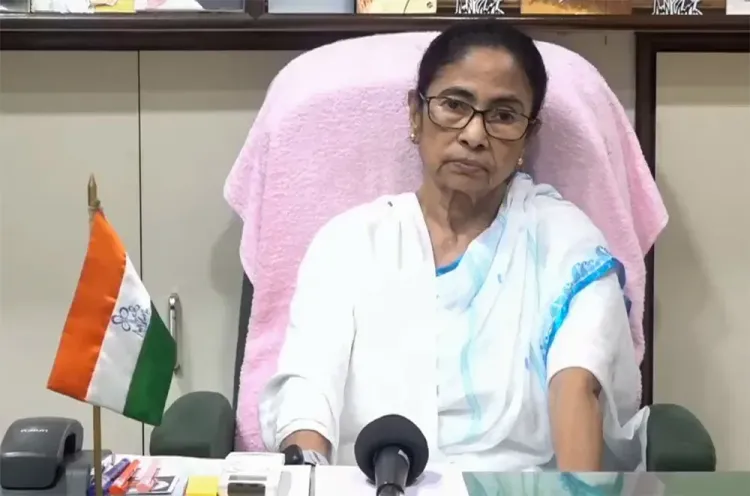
The All India Trinamool Congress (TMC), the party that ended 34 years of uninterrupted Left Front rule in West Bengal, is confronting its deepest internal crisis since its founding 28 years ago, as a cascade of defections across both houses of Parliament and the state legislature threatens to splinter the organisation built by Mamata Banerjee. The unravelling follows the party's defeat in the West Bengal Assembly election, exposing fault lines that critics argue were long in the making.
The Scale of the Rebellion
Approximately five days after a breakaway faction comprising 58 of the TMC's 80 elected MLAs staked claim to recognition as the 'original party' in the West Bengal Assembly, 20 of its 28 Lok Sabha MPs have reportedly submitted a similar request to the office of the Lok Sabha Speaker. This comes even as one of West Bengal's 42 Lok Sabha seats — Basirhat — remains vacant following the death of the sitting TMC MP.
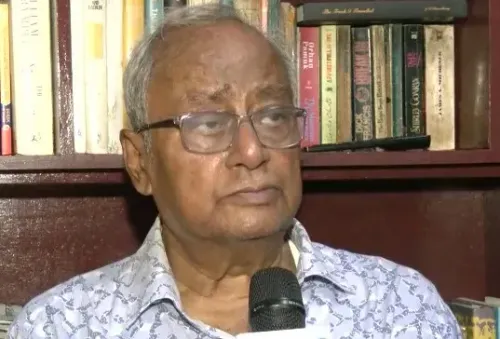
In the Rajya Sabha, veteran MP Sukhendu Sekhar Roy, 77, announced on Monday his resignation from the Upper House and from the party's primary membership. His tenure was scheduled to run until 2029. Roy had already drawn the party's displeasure after publicly supporting protesters demanding justice following the rape-murder of a trainee doctor at RG Kar Medical College and Hospital, Kolkata, in August 2024 — an incident that severely damaged the then Mamata Banerjee-led government's standing. Since the Assembly defeat, he has openly criticised the party over corruption-related issues.
Key Figures Behind the Dissent
The rebellion has two visible centres of gravity. In Kolkata, Ritabrata Banerjee, a former Communist Party of India (Marxist) parliamentarian, led the dissident MLAs out of the TMC fold. Roughly 1,300 km away in New Delhi, Kakoli Ghosh Dastidar, 66, a physician and former TMC MP, reportedly organised the dissenting Lok Sabha members.
Dastidar was reportedly removed unceremoniously as the party's Whip and had earlier resigned from all organisational positions. She has reportedly forwarded a list of rebel MPs to the Speaker's office, seeking recognition as a separate bloc aligned with the ruling National Democratic Alliance (NDA). According to sources, she believes the party's latest communication regarding her removal as Chief Whip has not yet formally reached the Speaker's office, and that she therefore continues to hold the position officially.
The Structural Weaknesses Within TMC
Mamata Banerjee, once the combative street-leader who dismantled the communist establishment in 2011, is described by critics as increasingly detached from the party's grassroots. Her nephew, Abhishek Banerjee, who holds significant organisational authority, has reportedly leaned heavily on professional political consultants whose strategies, critics allege, have often failed to resonate with West Bengal's distinct political culture.
Discontent had been simmering for some time, with multiple senior leaders reportedly feeling sidelined or pressured. The current rebellion draws direct comparisons with Maharashtra, where splits in the Shiv Sena and the Nationalist Congress Party (NCP) resulted in breakaway factions being legally recognised as the 'real' parties — a precedent the TMC dissidents appear to be invoking.
A Pattern of Eroding Moral Authority
Analysts note that the TMC's decline mirrors the trajectory of the very Left Front it displaced. The Left fell after allegations of corruption, arrogance, and grassroots detachment — controversies around Singur and Nandigram land acquisitions proved decisive in turning public opinion. Critics argue that the TMC has followed a strikingly similar arc: from the Sandeshkhali episode and the RG Kar incident to widespread corruption allegations and a recent signature scandal, each controversy has chipped away at the party's credibility.
A comparable precedent exists at the national level: disgruntled Aam Aadmi Party (AAP) Rajya Sabha MPs, reportedly led by Raghav Chadha, recently left the party and merged with the Bharatiya Janata Party (BJP) without triggering anti-defection provisions. The final authority on TMC's recognition disputes will rest with the Election Commission of India and the respective presiding officers of the Assembly and Parliament.
With defections mounting and institutional challenges multiplying, the party founded by Mamata Banerjee faces a reckoning that will test whether it can reconstitute itself — or whether the storm has already done irreparable damage.
Point of View
Critics level the same charges at her own organisation. The outsourcing of political strategy to professional consultants, the concentration of power in the Banerjee family, and the failure to address serial scandals — from Sandeshkhali to RG Kar — eroded the party's grassroots legitimacy long before the election result arrived. The Maharashtra precedent is instructive but not automatic: the Election Commission's adjudication process is slow, and the anti-defection calculus is complex. What is already clear is that the TMC's institutional architecture — never as robust as its electoral record suggested — has proven brittle the moment the electoral wind shifted.
NationPress
23 Oct 2026
Frequently Asked Questions
Why is the Trinamool Congress facing a split in 2025?
The TMC is facing a split following its defeat in the West Bengal Assembly election, which accelerated long-simmering discontent over corruption allegations, factionalism, and the party leadership's perceived detachment from grassroots politics. A breakaway faction of 58 MLAs and reportedly 20 Lok Sabha MPs have sought recognition as separate blocs.
Who is Kakoli Ghosh Dastidar and what role is she playing in the TMC rebellion?
Kakoli Ghosh Dastidar is a 66-year-old physician and former TMC MP who was reportedly removed as the party's Whip. She has allegedly organised the dissenting Lok Sabha MPs in New Delhi and forwarded a list of rebel MPs to the Lok Sabha Speaker's office, seeking recognition as a bloc aligned with the NDA.
Why did Sukhendu Sekhar Roy resign from the Rajya Sabha and the TMC?
Sukhendu Sekhar Roy, 77, resigned from both the Rajya Sabha and the TMC's primary membership on Monday. He had been at odds with the party leadership since publicly supporting protesters demanding justice after the RG Kar Medical College rape-murder case in August 2024, and has since criticised the party openly over corruption.
How does the TMC crisis compare to the Maharashtra Shiv Sena and NCP splits?
Like the TMC rebellion, the Maharashtra splits saw breakaway factions of the Shiv Sena and NCP claim to be the 'original' party and seek recognition from presiding officers and the Election Commission. In both Maharashtra cases, the breakaway factions were ultimately recognised as the real parties — a precedent the TMC dissidents appear to be invoking.
What happens next — who decides the TMC recognition dispute?
The final authority on which faction constitutes the 'real' TMC rests with the Election Commission of India for the party symbol and name, and with the respective presiding officers — the Lok Sabha Speaker and the West Bengal Assembly Speaker — for legislative bloc recognition. The process can be protracted and is subject to anti-defection provisions.