Mamata Banerjee at 70: Can she survive Trinamool's worst crisis?
Synopsis
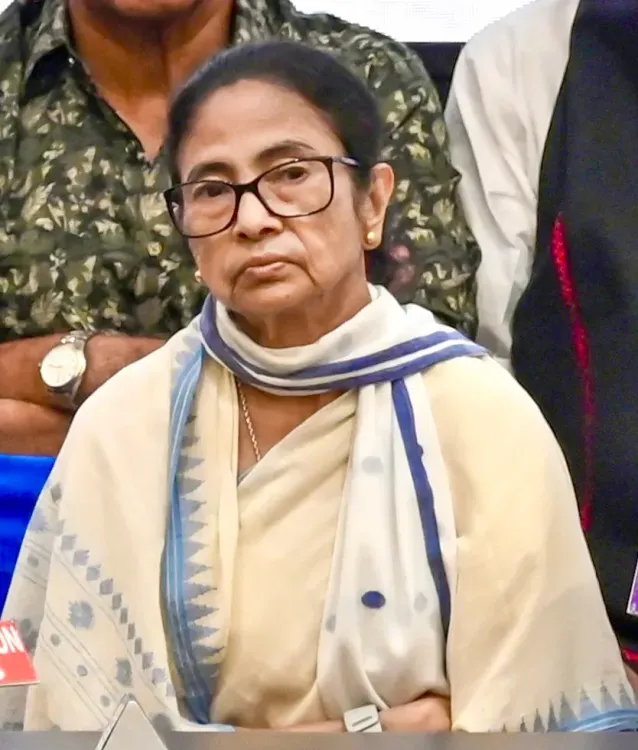
Mamata Banerjee urged INDIA bloc unity in New Delhi while, two kilometres away, most of her own MPs were reportedly cutting a deal with the NDA. With 20 of 28 Lok Sabha MPs and 58 of 80 MLAs gone, and Bhabanipur lost in 2026, the Trinamool faces an existential crisis — and the defining question is whether India's most volatile coalition-hopper has one more reinvention left in her.
Key Takeaways
Mamata Banerjee addressed the INDIA bloc in New Delhi on 9 June even as most of her own MPs reportedly negotiated with the NDA .
20 of 28 TMC Lok Sabha MPs have reportedly broken away, threatening her party's twin-floret election symbol.
58 of 80 TMC MLAs in the West Bengal Assembly had earlier defected in Kolkata .
Banerjee lost her home constituency of Bhabanipur in the 2026 West Bengal Assembly election , which the BJP swept.
Her career has seen alliances and breaks with both the BJP and Congress since founding the Trinamool Congress in 1998 .
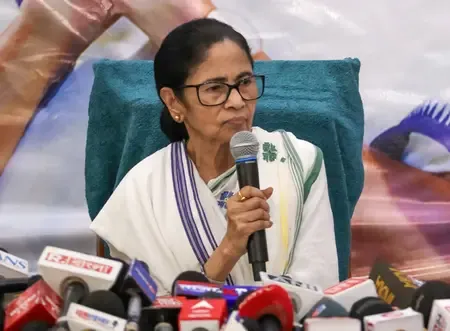
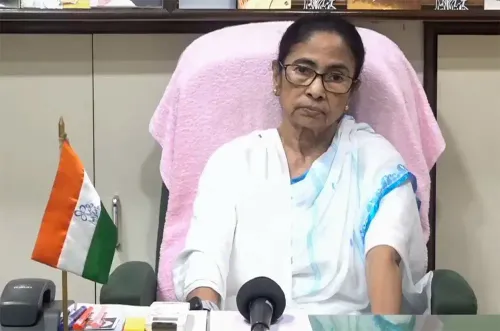
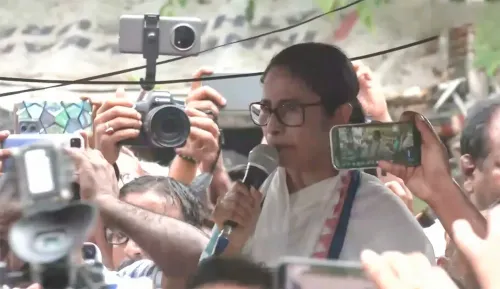
West Bengal's former Chief Minister Mamata Banerjee stood before opposition INDIA bloc partners in New Delhi on Monday, 9 June, urging unity and coordination — even as, less than two kilometres away, most of her own Trinamool Congress (TMC) MPs were reportedly negotiating an alliance with the ruling National Democratic Alliance (NDA). The optics encapsulated the central contradiction of her political career: projecting coalition solidarity while her own house fractured in real time.
The Scale of the Rebellion
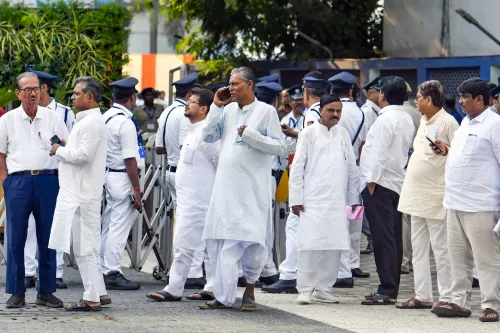
The defection crisis unfolding within the Trinamool is the gravest of Banerjee's career. As many as 20 of her 28 Lok Sabha MPs are said to have broken away, putting her twin-floret election symbol at risk. Earlier, 58 of the party's 80 MLAs in the West Bengal Assembly had already done the same in Kolkata. Together, the numbers point to a near-collapse of the organisational structure she spent 28 years building since founding the Trinamool in 1998.
A Career Defined by Strategic Pivots
Banerjee's political biography is a study in calculated reinvention. She rose through the Indian National Congress (Congress), her fiery early identity captured famously in an image of her climbing Jayaprakash Narayan's car in protest ahead of the 1977 election. She flourished under Rajiv Gandhi's patronage and later maintained a working relationship with Sonia Gandhi, though she reportedly never warmed to Rahul Gandhi, at times dismissing his leadership as politically immature.
After founding the Trinamool, she aligned with the Bharatiya Janata Party (BJP)-led NDA and served as Railway Minister, only to formally exit the coalition in 2001, citing corruption and governance failures. She briefly returned in 2004, contesting Lok Sabha elections in alliance with the BJP — but her party won only one of eight seats it contested, and she severed ties again. That episode, observers note, set the template for her politics: align when strategically useful, break away when the association becomes a liability in West Bengal.
She then aligned with the Congress-led United Progressive Alliance (UPA) between 2009 and 2012, using the partnership to form her government in 2011. Once comfortably in power, she again chose an independent course.
The INDIA Bloc Paradox
Despite her high-profile presence since the opposition bloc's founding in Patna in 2023, Banerjee's engagement with the INDIA alliance has been marked by contradictions. Critics argue she either rejected seat-sharing in West Bengal outright or offered terms that rendered any alliance unworkable. Her alliance overtures, according to observers, are increasingly read by partners as bids to shore up her own position rather than build a genuinely symbiotic coalition.
Of the bloc's constituent leaders, only Samajwadi Party (SP) chief Akhilesh Yadav and former Aam Aadmi Party (AAP) supremo Arvind Kejriwal are said to still share a rapport with her — and the AAP has since exited the opposition bloc entirely.
The 2026 Bengal Rout and What Comes Next
The 2026 West Bengal Assembly election delivered a decisive blow: the BJP swept the state, and Banerjee herself lost her home bastion of Bhabanipur. The defeat ended a 28-year run at the helm of the Trinamool and stripped her of the institutional power that had long insulated her from internal dissent.
Those who have studied her career closely describe her as an unpredictable, impulsive, and emotionally driven leader — one who, according to reports, kept herself surrounded by advisers inclined to offer affirmation rather than candid counsel, occasionally distorting her political judgement. Whether that pattern can be broken as she enters her seventies — and whether the Trinamool can be rebuilt from the ruins of its current crisis — will define the final chapter of one of Indian politics' most turbulent careers.
Point of View
She eventually weaponised or abandoned; every ally she cultivated, she eventually alienated. The INDIA bloc partners are not wary of her because she is unpredictable — they are wary because her unpredictability has a consistent pattern: it always resolves in her personal interest. The 2026 Bengal rout has removed the one shield that protected her from internal reckoning: state power. Without it, the loyalty structures that held the Trinamool together have dissolved with remarkable speed. A reinvention is possible — her 1998 break from Congress proved that — but past reinventions came with institutional resources and a clear enemy to run against. This time, the enemy appears to be within.
NationPress
23 Oct 2026
Frequently Asked Questions
What is the current crisis facing Mamata Banerjee and the Trinamool Congress?
Mamata Banerjee faces the gravest crisis of her career, with reportedly 20 of her 28 Lok Sabha MPs and 58 of 80 West Bengal MLAs having defected. The defections put her party's election symbol at risk and follow her loss in the 2026 Bengal Assembly election.
Why did Mamata Banerjee lose the 2026 West Bengal election?
The BJP swept the 2026 West Bengal Assembly election, and Banerjee herself lost her home bastion of Bhabanipur. The defeat ended her 28-year run leading the Trinamool Congress and removed the state-power base that had long sustained her political authority.
What is Mamata Banerjee's history with political alliances?
Banerjee has alternately aligned with and broken from both the BJP-led NDA and the Congress-led UPA since founding the Trinamool in 1998. She served as Railway Minister under the NDA, exited in 2001, briefly returned in 2004, then aligned with the UPA from 2009 to 2012 before again going independent.
How has Mamata Banerjee engaged with the INDIA bloc opposition alliance?
Despite being a prominent presence since the bloc's founding in Patna in 2023, Banerjee is said to have either rejected seat-sharing in West Bengal or offered terms that made alliances unworkable. Bloc partners have grown wary of her unpredictability, according to observers.
Who among the INDIA bloc leaders still maintains a rapport with Mamata Banerjee?
Only SP chief Akhilesh Yadav and former AAP supremo Arvind Kejriwal are said to still share a working rapport with Banerjee. The AAP has since exited the opposition bloc entirely.