Bengaluru water crisis: KRS holds only 14-15 TMC, reserves last 5-6 months

Synopsis
BWSSB chief Dr N. Manjula has put Bengaluru on notice: with KRS holding just 14-15 TMC of usable water and the city burning through 2.2 TMC every month, the taps could run dry in five to six months if the monsoon disappoints — and an inter-state Cauvery dispute is already draining the reserve further.
Key Takeaways
BWSSB Chairperson Dr N.
Manjula warned on 30 July that Bengaluru could face a water crisis within five to six months if rainfall remains inadequate.
The KRS reservoir holds a gross storage of 20 TMC , but only 14-15 TMC is available for drinking water.
Bengaluru consumes approximately 2.2 tmcft of water per month; KRS also supplies other towns, further reducing the city's share.
BWSSB's 'Sanchari Cauvery' tanker scheme is operational with 150-200 trips daily , scalable to 1,000 trips if needed.
The CWRC has ordered Karnataka to release 3,500 cusecs daily to Tamil Nadu for 15 days from 29 July ; Karnataka has challenged the order before the CWMA .
Moderate rainfall forecasts for the Western Ghats and Cauvery catchment offer some hope of reservoir replenishment.
Bengaluru could face a severe drinking water shortage within the next five to six months if Karnataka fails to receive adequate monsoon rainfall, Bengaluru Water Supply and Sewerage Board (BWSSB) Chairperson Dr N. Manjula warned on Thursday, 30 July. The alert comes as the Krishnaraja Sagar (KRS) reservoir — the city's primary source — holds a gross storage of just 20 TMC, of which only 14 to 15 TMC is usable for drinking water.
The Numbers Behind the Warning
Bengaluru consumes approximately 2.2 tmcft of water every month, according to Dr Manjula. At that rate, the available drinking water supply would last five to six months — but only if the entire reserve were allocated exclusively to the city. In practice, water from KRS is also distributed to other cities and towns across the region, which further tightens the supply window.
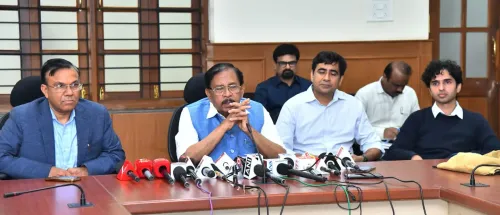
'If good rains do not occur, Bengaluru will face a shortage of water. We are closely monitoring the situation,' Dr Manjula said, addressing reporters.
Contingency Measures Already Activated
BWSSB has activated its 'Sanchari Cauvery' tanker initiative to address localised scarcity. Currently, between 150 and 200 tanker trips are being operated daily, with the board retaining capacity to scale up to nearly 1,000 trips per day if conditions deteriorate. Dr Manjula noted that demand for tanker water remains relatively low at this stage, but the board has been monitoring the situation for the past two months.
Residents have been urged to use water responsibly and adopt conservation measures as a precautionary step.
Cauvery Dispute Adds Pressure
The water availability challenge is compounded by an inter-state dispute over the Cauvery. The Cauvery Water Regulation Committee (CWRC) directed Karnataka to release 3,500 cusecs of water daily to Tamil Nadu for 15 days — totalling approximately 4 TMC — beginning 29 July. Karnataka has challenged the directive before the Cauvery Water Management Authority (CWMA), citing severe storage deficits.
The issue has also drawn political attention, with the Bharatiya Janata Party (BJP) accusing the ruling Congress government of inadequately representing Karnataka's interests before the CWRC.
A Cautious Hope: Rainfall Forecasts
Dr Manjula expressed measured optimism over weather forecasts predicting moderate rainfall in the Western Ghats and the Cauvery catchment areas, which could boost inflows into the KRS reservoir. 'There are predictions of moderate rainfall in the Cauvery basin, and inflows are continuing. We will have to wait and see how the situation develops over the coming weeks,' she said.
The situation will be closely watched over the next several weeks as the monsoon's trajectory becomes clearer, with the city's water security hanging on whether catchment inflows can replenish critically low reservoir levels.
Point of View
But the convergence of three pressures makes this monsoon season unusually critical: a reservoir at low capacity, a legally mandated release to Tamil Nadu that Karnataka is contesting, and a monsoon that has so far underperformed in key catchment zones. The BWSSB's 'Sanchari Cauvery' tanker network is a sensible contingency, but 1,000 tanker trips a day cannot substitute for a city of Bengaluru's scale. The political blame game between the BJP and Congress over the CWRC hearing is a distraction from the more urgent question of demand-side management — a lever neither party has seriously pulled. If the Western Ghats rainfall forecast proves optimistic, the city will need rationing protocols, not press conferences.
NationPress
13 Sept 2026
Frequently Asked Questions
Why is Bengaluru facing a potential water shortage?
Bengaluru's primary water source, the KRS reservoir, currently holds only 14-15 TMC of usable drinking water, while the city consumes around 2.2 tmcft per month. If the ongoing monsoon fails to deliver adequate rainfall and replenish inflows, this reserve could last just five to six months, according to BWSSB Chairperson Dr N. Manjula.
What is the current water level at the KRS reservoir?
As of 30 July, the KRS reservoir holds a gross storage of 20 TMC, of which 14 to 15 TMC is available for drinking water supply. The reservoir also serves other cities and towns beyond Bengaluru, reducing the effective share available to the state capital.
What steps has BWSSB taken to manage the water situation?
BWSSB has activated its 'Sanchari Cauvery' tanker initiative, currently running 150 to 200 trips daily to water-scarce areas. The board has the capacity to scale this up to nearly 1,000 trips per day if the situation worsens. Residents have also been urged to conserve water and avoid wastage.
How does the Cauvery inter-state dispute affect Bengaluru's water supply?
The Cauvery Water Regulation Committee (CWRC) has directed Karnataka to release 3,500 cusecs of water daily to Tamil Nadu for 15 days starting 29 July, totalling about 4 TMC. Karnataka has challenged this order before the Cauvery Water Management Authority (CWMA), arguing it faces severe storage deficits that make such releases unsustainable.
Is there any hope of the water situation improving?
Dr Manjula cited weather forecasts predicting moderate rainfall in the Western Ghats and the Cauvery catchment areas, which could boost inflows into the KRS reservoir. However, she cautioned that the city would need to wait and monitor how conditions develop over the coming weeks before the outlook becomes clearer.