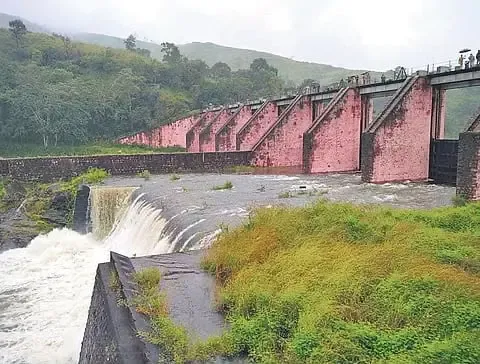
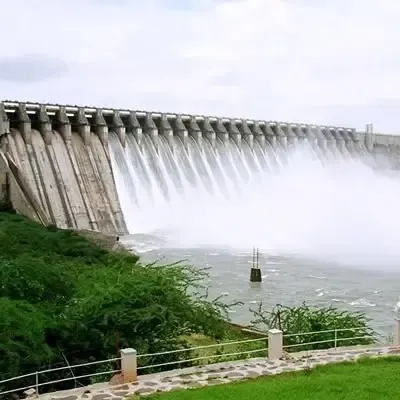
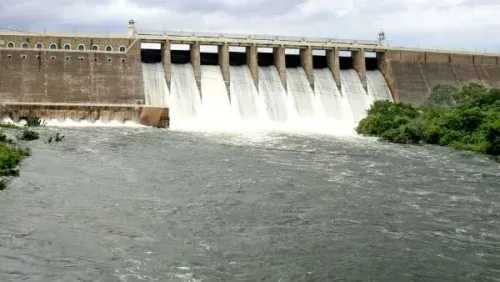
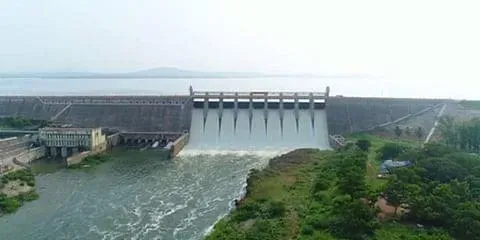
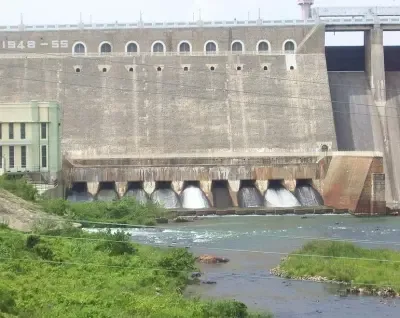
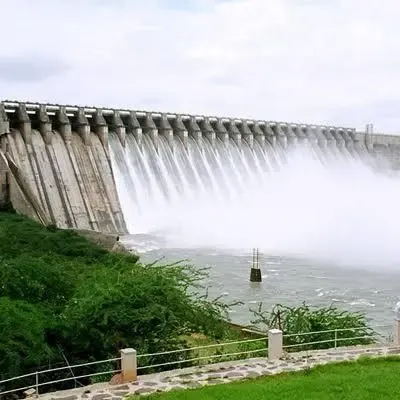
Bhavanisagar Dam inflow rises to 6,029 cusecs, relief for Tamil Nadu farmers
Synopsis
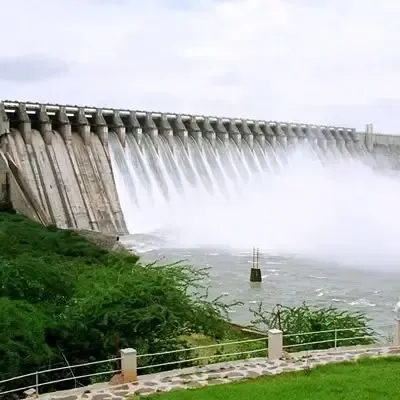
Bhavanisagar Dam's inflow jumped by 826 cusecs to reach 6,029 cusecs on 9 November, nudging storage to 14.3 TMC and water levels to 77.32 feet — a timely development for farmers across Erode, Tiruppur, and Karur who depend on the Lower Bhavani Project for irrigation planning.
Key Takeaways
Bhavanisagar Dam inflow rose to 6,029 cusecs on 9 November 2026 , up from 5,203 cusecs — an increase of 826 cusecs .
Water level climbed from 76.80 feet to 77.32 feet , a rise of 0.52 feet .
Current storage stands at 14.3 TMC .
The dam supports the Lower Bhavani Project , irrigating command areas across Erode , Tiruppur , and Karur districts.
Rising levels also benefit drinking water supply for several towns and rural settlements in western Tamil Nadu .
The inflow into Bhavanisagar Dam in Tamil Nadu's Erode district climbed to 6,029 cusecs on 9 November 2026, up from 5,203 cusecs — a rise of 826 cusecs — bringing renewed optimism to thousands of farmers who depend on the reservoir for irrigation across western Tamil Nadu.
Key Developments at the Reservoir
The surge in inflow has pushed the dam's water level from 76.80 feet to 77.32 feet, a gain of 0.52 feet. Current storage stands at 14.3 thousand million cubic feet (TMC), according to the latest figures from dam authorities. The dam is located near Sathyamangalam in Erode district.
Why This Matters for Farmers and Residents
Bhavanisagar Dam is the backbone of the Lower Bhavani Project irrigation system, which channels water across agricultural command areas in Erode, Tiruppur, and Karur districts. Thousands of farmers in these districts calibrate their sowing and cultivation schedules around the reservoir's storage levels, making every uptick in inflow consequential. Beyond agriculture, the reservoir also serves as a critical drinking water source for several towns and rural settlements in the surrounding belt.
What Farmers Are Watching
The steady rise in inflow has provided considerable relief to cultivators who had been closely tracking storage figures ahead of the cultivation season. Agricultural activities in the command areas are directly tied to water releases through the irrigation network, and improved storage translates into greater confidence for planning crop cycles. This comes amid broader concerns in western Tamil Nadu about erratic monsoon-linked water availability in recent seasons.
Outlook If Inflow Holds
If the current rate of inflow is sustained or increases further, water levels at Bhavanisagar are expected to continue rising over the coming days. A sustained improvement in storage could strengthen irrigation prospects, benefit agricultural production, and secure drinking water supply across several parts of western Tamil Nadu. Officials and farmers alike are monitoring daily inflow figures closely.
Point of View
But for farmers in the Lower Bhavani Project command area, the difference between a confident sowing decision and a delayed one often hinges on exactly these margins. What the figures do not yet tell us is whether this inflow reflects a sustained weather pattern or a short-term spike — the distinction matters enormously for multi-week crop planning. Western Tamil Nadu has faced water stress in several recent seasons, and dam-level snapshots, while useful, need to be read alongside longer-term inflow trend data to give farmers and water managers a reliable outlook. Local authorities would do well to publish rolling weekly inflow forecasts rather than daily static figures.
NationPress
9 Nov 2026
Frequently Asked Questions
What is the current inflow into Bhavanisagar Dam?
The inflow into Bhavanisagar Dam stands at 6,029 cusecs as of 9 November 2026, up from 5,203 cusecs — an increase of 826 cusecs. The rise has also pushed the reservoir's water level to 77.32 feet and storage to 14.3 TMC.
Where is Bhavanisagar Dam located?
Bhavanisagar Dam is located near Sathyamangalam in Erode district, Tamil Nadu. It is a key water source for the Lower Bhavani Project irrigation system serving Erode, Tiruppur, and Karur districts.
Why is the inflow rise significant for farmers?
Thousands of farmers in western Tamil Nadu depend on Bhavanisagar Dam for irrigation through the Lower Bhavani Project. Rising inflow improves storage levels, allowing farmers to plan cultivation schedules with greater confidence.
Does Bhavanisagar Dam supply drinking water as well?
Yes, apart from supporting agriculture, the reservoir is a major drinking water source for several towns and rural settlements across the surrounding districts in western Tamil Nadu.
What is expected if the inflow continues at this rate?
If inflow is sustained at the current rate or increases further, water levels at Bhavanisagar Dam are expected to continue rising in the coming days, strengthening both irrigation prospects and drinking water availability across western Tamil Nadu.