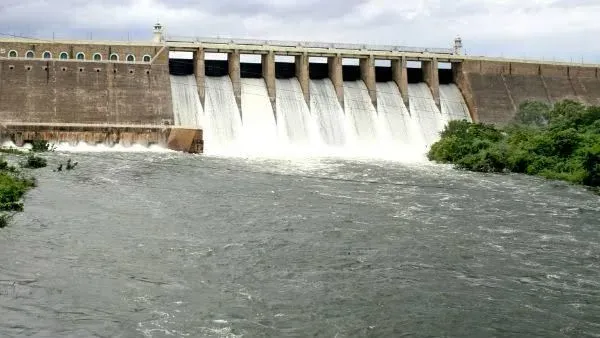
Bhavanisagar dam water row: TN farmers demand equal release across 3 canal systems
Synopsis
Farmers in Erode say Tamil Nadu's staggered water release from Bhavanisagar dam has cost them 8 paddy cultivation cycles and 16 pulse crop cycles. They are now demanding simultaneous supply to all three canal systems — and warning that agitation will follow if the Water Resources Department does not act.
Key Takeaways
Farmers from the Lower Bhavani command area demanded simultaneous water release to all three Bhavanisagar dam canal systems on 15 July .
Under the current schedule, Lower Bhavani canal receives water only in August , after the critical cultivation season has begun.
Farmers allege the delay has caused the loss of 8 paddy cultivation cycles and 16 pulse crop cycles over the years.
The region is reportedly facing acute drought conditions, with drinking water scarcity worsening in several villages.
Nallasamy of the Lower Bhavani Irrigation Farmers' Association warned that farmers will not accept further delays, calling for acreage-based water allocation.
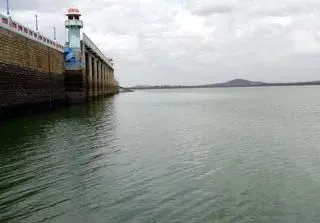
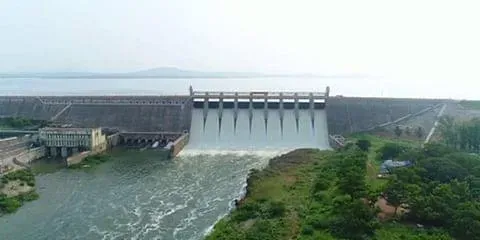
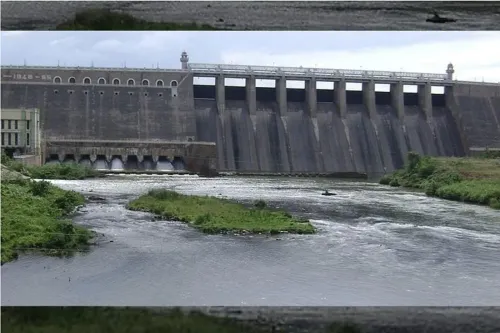
The dam supports agriculture and drinking water needs across Erode , Tirupur , and Karur districts.
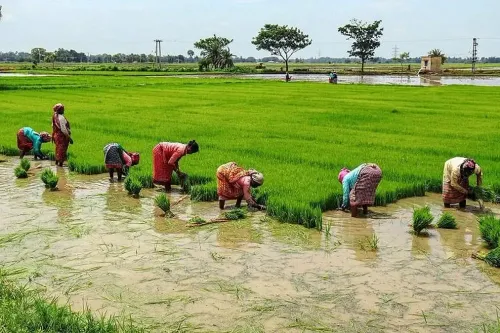
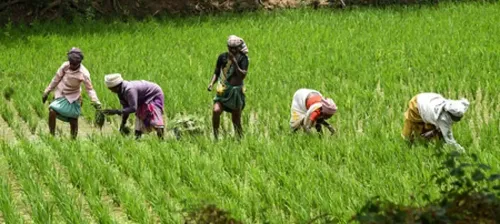
A large contingent of farmers from the Lower Bhavani irrigation command area in Erode has demanded equitable distribution of water from the Bhavanisagar dam across all three major canal systems, pressing the Tamil Nadu government to scrap the existing staggered release schedule and ensure simultaneous supply to the Lower Bhavani, Thadapalli-Arakkankottai, and Kalingarayan canal schemes. The demand was raised at a farmers' meeting on 15 July, with growers alleging that the current rotation system has systematically disadvantaged the Lower Bhavani command area for years.
How the Staggered Schedule Works — and Why Farmers Oppose It
Under the existing arrangement, the Thadapalli-Arakkankottai canal receives water in April, the Kalingarayan canal in June, and the Lower Bhavani canal only in August — by which point the critical cultivation season is already well underway. Farmers argue this sequencing leaves them perpetually behind the cropping calendar, with no room to recover lost growing time.
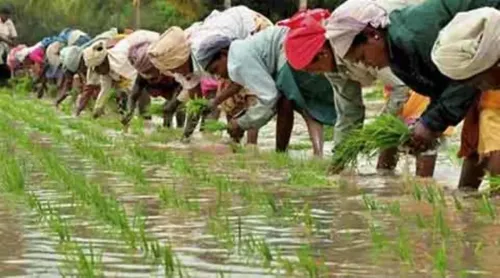
According to the farmers, the delayed releases have caused the Lower Bhavani region to lose eight cultivation cycles of paddy and 16 cycles of pulse crops over the years — a cumulative blow that has translated into severe and recurring financial losses.
Drought Conditions Deepen the Crisis
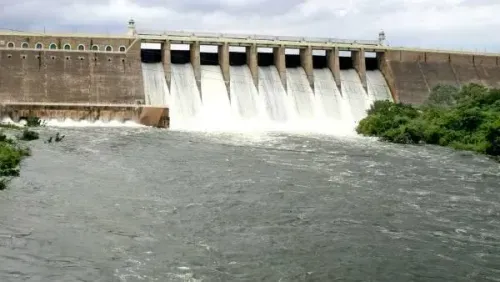
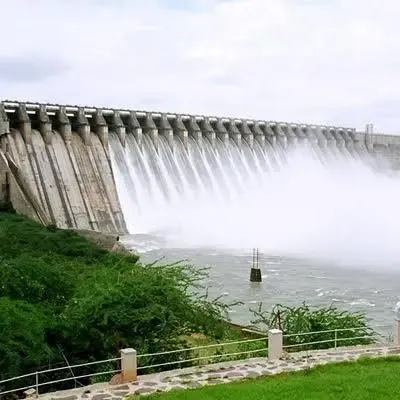
Beyond crop failures, the region is reportedly grappling with acute drought conditions, with drinking water scarcity worsening across several villages. The Bhavanisagar dam is a critical source of drinking water for lakhs of residents spread across Erode, Tirupur, and Karur districts, in addition to irrigating thousands of hectares under crops such as paddy, sugarcane, turmeric, banana, and coconut.
This comes amid a broader pattern of water stress in Tamil Nadu's agricultural heartland, where erratic monsoons and ageing irrigation infrastructure have compounded the pressure on farmers dependent on reservoir-fed canals.
What Farmers Are Demanding
The farmers have called on the Water Resources Department to shift to an acreage-based water allocation model — distributing irrigation supply in proportion to the land area covered under each canal system, rather than maintaining the current time-based rotation. They also demanded that water be released simultaneously to all three canal schemes in line with the guidelines laid down by the water tribunal, arguing such a framework would ensure fairness and reduce recurring inter-canal disputes.
Association Leader Warns of Continued Agitation
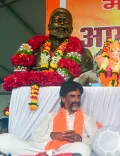
V. Nallasamy, leader of the Lower Bhavani Irrigation Farmers' Association, said farmers would no longer accept what he described as delayed and discriminatory water releases. 'Farmers under all three canal systems deserve their fair share and the ability to plan agricultural operations without uncertainty,' he said, urging the district administration and the Water Resources Department to act without further delay.
With sowing seasons at stake and drought conditions intensifying, the pressure on Tamil Nadu's irrigation authorities to revisit the Bhavanisagar release schedule is set to mount in the weeks ahead.
Point of View
Designed for a different cropping era, calcify into structural inequity. The Lower Bhavani farmers' loss of eight paddy cycles is not an aberration — it is the predictable outcome of a rotation system that was never recalibrated as agricultural patterns changed. Tamil Nadu's Water Resources Department has a water tribunal framework to fall back on; the real question is why acreage-based allocation, which the tribunal guidelines reportedly support, has not been implemented. With drought deepening and drinking water scarcity spreading across three districts, this is no longer just an irrigation management dispute — it is a rural livelihood and public health issue that demands urgent administrative attention.
NationPress
29 Aug 2026
Frequently Asked Questions
What is the Bhavanisagar dam water dispute about?
Farmers from the Lower Bhavani irrigation command area in Erode are demanding that water from the Bhavanisagar dam be released simultaneously to all three canal systems — Lower Bhavani, Thadapalli-Arakkankottai, and Kalingarayan — instead of the current staggered schedule. They argue the existing rotation, which gives the Lower Bhavani canal water only in August, has caused repeated crop failures.
How many crop cycles have Lower Bhavani farmers lost due to delayed water releases?
According to the farmers, the delayed and staggered water release schedule has resulted in the loss of 8 paddy cultivation cycles and 16 pulse crop cycles in the Lower Bhavani command area over the years, causing severe and recurring financial losses.
Which districts does the Bhavanisagar dam serve?
The Bhavanisagar dam is a major irrigation and drinking water reservoir serving the districts of Erode, Tirupur, and Karur in Tamil Nadu. It irrigates thousands of hectares under crops including paddy, sugarcane, turmeric, banana, and coconut, and supplies drinking water to lakhs of people in the region.
What alternative are the farmers proposing?
The farmers are urging the Water Resources Department to adopt an acreage-based water allocation model, distributing irrigation supply in proportion to the land area covered under each canal system. They also want simultaneous water release to all three canal schemes in line with water tribunal guidelines.
Who is leading the farmers' demand?
V. Nallasamy, leader of the Lower Bhavani Irrigation Farmers' Association, is spearheading the demand. He has warned that farmers will no longer accept delayed and discriminatory water releases, and has called on the district administration and the Water Resources Department to ensure equitable and timely distribution.