Athikadavu-Avinashi project: LBP farmers demand regulated water supply framework in Erode
Synopsis
Farmers in Erode are not against Tamil Nadu's ambitious Athikadavu-Avinashi project — they want it governed. With Bhavanisagar Dam levels low and 180 cusecs already diverted, LBP farmers are demanding a codified allocation framework before a project linking 1,045 waterbodies begins drawing from a resource base that traditional irrigators depend on.
Key Takeaways
LBP farmers in Erode have urged the district administration to frame a transparent water allocation mechanism for the Athikadavu-Avinashi project .
The project links 1,045 ponds, tanks, and lakes across Erode , Tiruppur , and Coimbatore to carry surplus water to drought-prone areas.
Farmers want water diverted only after existing systems are met, within a sanctioned limit of 1.5 tmc .
The Water Resources Department says no dam water is being used; only surplus river flows of 298 cusecs are being tapped, with 180 cusecs diverted to the project.
Structured allocation norms already govern the Kalingarayan , Thadapalli , and Arakkankottai canals — farmers want similar rules for Athikadavu-Avinashi.
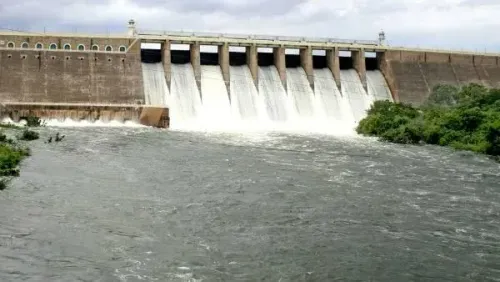
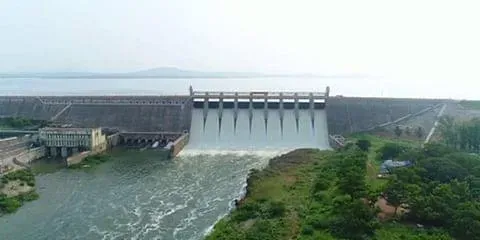
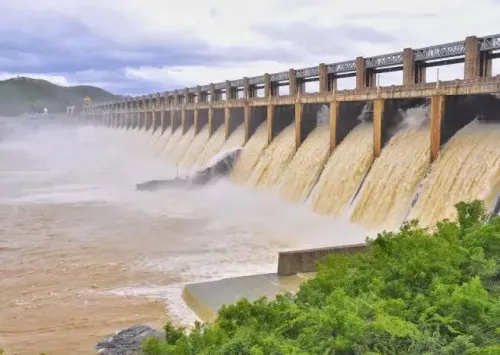
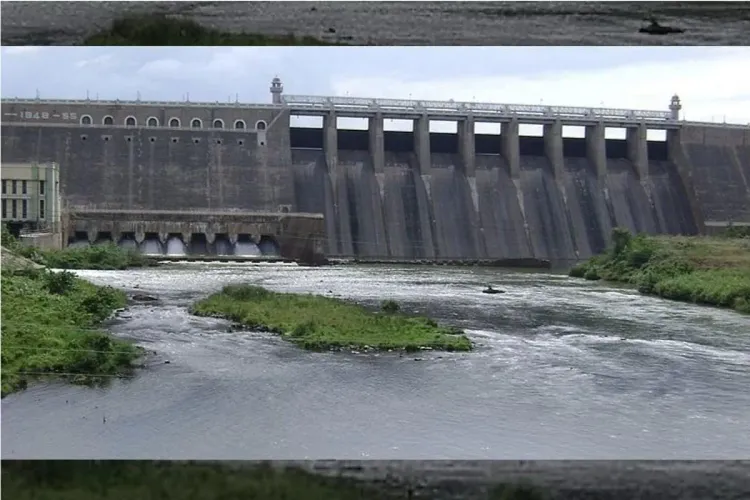
Farmers dependent on the Lower Bhavani Project (LBP) in Erode have urged the district administration to establish a transparent and permanent water allocation mechanism for the Athikadavu-Avinashi project, raising concerns over how water is currently being diverted to the scheme. The demand comes amid low water levels at the Bhavanisagar Dam, fuelling uncertainty among farmers about the source of water being channelled to the project.
About the Athikadavu-Avinashi Project
The Athikadavu-Avinashi project is a flagship initiative of the Tamil Nadu government aimed at recharging and restoring water bodies across Erode, Tiruppur, and Coimbatore districts. Around 1,045 ponds, tanks, and lakes have been interlinked through an extensive pipeline network designed to carry surplus water to drought-prone areas. With water now being actively supplied to several of these waterbodies, the project has entered a critical operational phase.
What Farmers Are Demanding
S. Periyasamy, president of the Lower Bhavani Ayacut Land Owners Association, clarified that farmers are not opposed to the project itself. 'We support the Athikadavu-Avinashi project and do not object to water being supplied to it. However, water should be provided only when surplus water is available after meeting the requirements of existing irrigation systems. Since the water level in the Bhavanisagar Dam is currently low, farmers have doubts about the source of the water being supplied to the project,' he said.
Periyasamy pointed out that structured allocation arrangements already govern the Lower Bhavani Project, the Kalingarayan Canal, the Thadapalli Canal, and the Arakkankottai Canal. He argued that a similar framework should be introduced for the Athikadavu-Avinashi scheme, and stressed that water withdrawals must remain within the sanctioned ceiling of 1.5 tmc. Farmers have formally conveyed these concerns to the district administration and sought clarity on the operational guidelines governing water diversion.
What the Government Said
Officials of the Water Resources Department (WRD) dismissed the allegations, maintaining that no water is currently being drawn from the Bhavanisagar Dam for the Athikadavu-Avinashi scheme. A senior WRD official explained that recent rainfall had generated surplus flows in the Bhavani River through local catchment drains, and that the project is presently utilising only this excess water — flows that would otherwise drain into the Cauvery River.
'After meeting the requirements of the Lower Bhavani Project, Kalingarayan, Thadapalli and Arakkankottai irrigation systems, up to 1.5 tmc of surplus water can be allocated to the Athikadavu project. At present, we are drawing only surplus river water and not water from the dam,' the official said. According to the WRD, the Bhavani River recently recorded a surplus flow of 298 cusecs, of which 180 cusecs was diverted to the Athikadavu-Avinashi project.
The Broader Irrigation Context
The dispute reflects a longstanding tension in Tamil Nadu's water governance: large-scale inter-basin or multi-district water projects frequently intersect with the entrenched rights of traditional irrigation communities. The LBP, one of the oldest canal systems drawing from Bhavanisagar, has historically operated under tightly negotiated allocation norms. Farmers fear that without a codified framework for the Athikadavu-Avinashi scheme, ad hoc diversions could erode those protections — especially during lean monsoon years when dam storage is already under stress.
What Happens Next
Officials reiterated that the scheme is functioning within approved norms and does not affect the rights of existing irrigation systems. However, the farmers' association is pressing for a formal, written allocation protocol before the next irrigation season. How the district administration and the WRD respond to this demand will be closely watched by farming communities across the three districts that the project covers.
Point of View
But it sidesteps the farmers' core demand: a written, enforceable allocation protocol. Verbal assurances from officials do not survive a bad monsoon or a change in administration. Tamil Nadu has a history of irrigation disputes escalating precisely because informal arrangements held during good years and collapsed under stress. The Athikadavu-Avinashi project is genuinely transformative for drought-prone districts — but its long-term legitimacy depends on codifying the rights of existing users, not just reassuring them.
NationPress
20 Sept 2026
Frequently Asked Questions
What is the Athikadavu-Avinashi project in Tamil Nadu?
The Athikadavu-Avinashi project is a Tamil Nadu government initiative that links 1,045 ponds, tanks, and lakes across Erode, Tiruppur, and Coimbatore districts through a pipeline network to carry surplus water to drought-prone areas. It draws surplus flows from the Bhavani River after meeting the needs of existing irrigation systems.
Why are LBP farmers concerned about the project?
Farmers dependent on the Lower Bhavani Project are worried because Bhavanisagar Dam levels are currently low, raising doubts about the actual source of water being diverted to the Athikadavu-Avinashi scheme. They want a formal, written allocation framework to ensure their irrigation rights are protected before diversions continue.
What does the Water Resources Department say about the water source?
The WRD maintains that no water is being drawn from the Bhavanisagar Dam for the project. Officials say only surplus river water — generated by recent rainfall through local catchment drains — is being used, with 180 cusecs diverted out of a recorded surplus of 298 cusecs in the Bhavani River.
What allocation limit have farmers demanded for the project?
Farmers have demanded that water withdrawals for the Athikadavu-Avinashi project remain within the sanctioned limit of 1.5 tmc, and only after the requirements of the Lower Bhavani Project, Kalingarayan Canal, Thadapalli Canal, and Arakkankottai Canal are fully met.
What similar frameworks exist for other irrigation systems in the region?
Structured water allocation arrangements already govern the Lower Bhavani Project, Kalingarayan Canal, Thadapalli Canal, and Arakkankottai Canal, all of which draw from the Bhavanisagar Dam. Farmers are demanding that a comparable codified framework be put in place for the Athikadavu-Avinashi scheme.