Bihar Cabinet clears ₹1,794 crore Patna water supply
Synopsis
Bihar's Cabinet went paperless on Wednesday and cleared a ₹1,794.32 crore AMRUT 2.0 water push for Patna. CM Samrat Choudhary also green-lit industrial land buys of about 1,294 acres in Nalanda, Samastipur and Sheikhpura, and a six-fold Gram Kachhari allowance hike from April 2027.
Key Takeaways
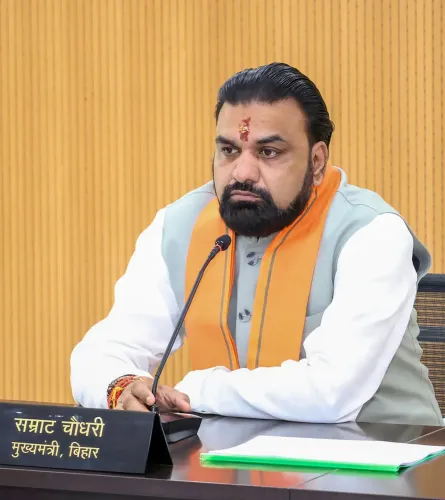
The Bihar Cabinet , chaired by Chief Minister Samrat Choudhary , approved 34 proposals on Wednesday in Patna .
Administrative sanction of ₹1,794.32 crore was granted for the Patna Water Supply Project under AMRUT 2.0 .
An e-Cabinet system was launched, making Cabinet meetings digital and paperless.
Gram Kachhari annual allowance will rise from ₹4,000 to ₹24,000 per unit from 1 April 2027 .
11.884 decimals of land in Thakurganj , Kishanganj , was transferred to the Union Home Ministry for SSB watchtowers at ₹4,38,063 .
Land acquisition of about 1,294 acres was cleared in Nalanda , Samastipur and Sheikhpura at roughly ₹706.52 crore .
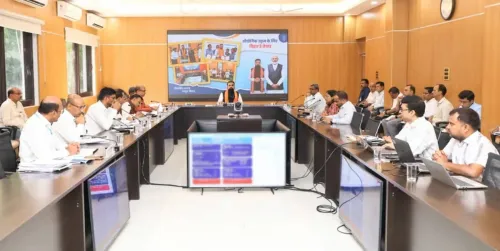
The Bihar Cabinet, chaired by Chief Minister Samrat Choudhary, on Wednesday approved 34 proposals across departments and granted administrative sanction of ₹1,794.32 crore for the Patna Water Supply Project under the centrally sponsored AMRUT 2.0 scheme. The meeting, held at the Chief Minister's Secretariat in Patna, also marked the launch of a fully digital, paperless e-Cabinet system for the state's highest decision-making body.
e-Cabinet goes paperless
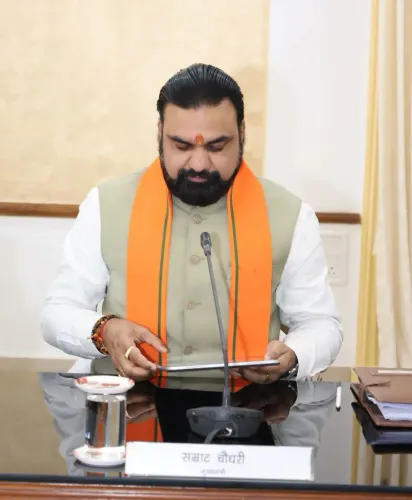
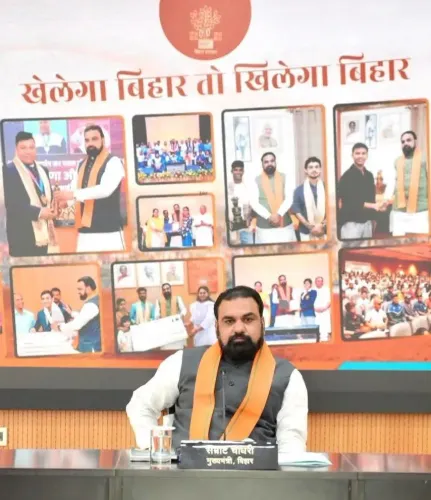
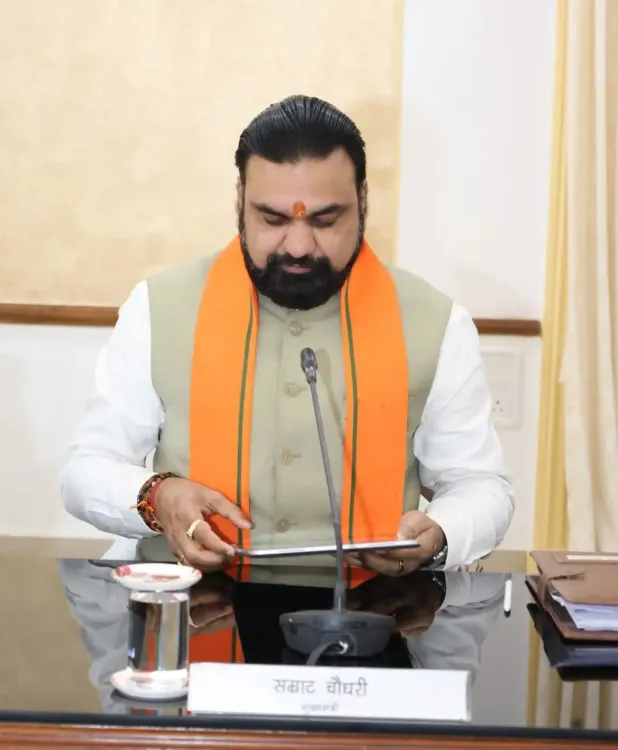
The sitting introduced an e-Cabinet workflow under which the entire Cabinet process is to be digital, paperless and equipped with modern technology. Chief Minister Samrat Choudhary shared photographs of the meeting on social media platform X and announced the rollout the same day.
In his post, he wrote: “Starting today, an e-Cabinet system has been implemented for Bihar Cabinet meetings. The entire Cabinet process will now be digital, paperless and equipped with modern technology.” The change is meant to replace physical files with an electronic agenda trail, though Wednesday's decisions themselves still have to move from sanction to execution in the field.
₹1,794 crore for Patna drinking water
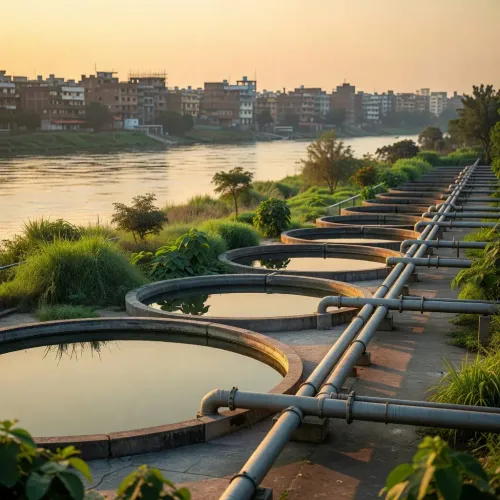
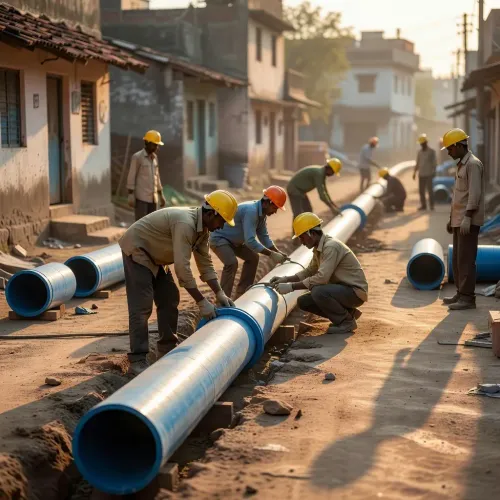
Among the major decisions, the government approved administrative sanction of ₹1,794.32 crore for the Patna Water Supply Project under AMRUT 2.0. The project aims to strengthen the city's drinking water infrastructure and ensure a regular supply of clean water to residents of the state capital.
This comes amid long-running strain on Patna's civic water network as the city has grown. Because AMRUT 2.0 is a centrally sponsored urban mission, the Cabinet nod is the state-level administrative clearance required to take the outlay forward. Households in Patna stand to benefit if treatment capacity, distribution lines and last-mile connections are actually built against the sanctioned amount. Tendering, utility coordination and commissioning timelines were not spelled out in the decisions announced from this meeting.
Village courts and border watchtowers
In another significant decision, the annual administrative expenditure allowance for Gram Kachharis (village courts) across Bihar has been increased from ₹4,000 to ₹24,000 per unit. The revised allowance will come into effect from 1 April 2027.
The six-fold increase is aimed at improving the functioning of village-level judicial institutions and strengthening the grassroots justice system. Notably, the later effective date means the older ₹4,000 rate will continue through the current cycle until the 2027 switch-over.
The Cabinet also approved the permanent transfer of 11.884 decimals of Bihar government land in Thakurganj block of Kishanganj district to the Union Ministry of Home Affairs for the construction of watchtowers for the 19th and 41st battalions of the Sashastra Seema Bal (SSB). The land has been transferred for ₹4,38,063 to strengthen security infrastructure along the border.
Industrial land in three districts
Several decisions were also taken to accelerate industrial development and facilitate land acquisition in different districts. For Islampur in Nalanda district, administrative and expenditure approval of ₹382.23 crore was granted for acquiring 564.37 acres of land in Brahgawan village.
The Cabinet approved ₹261.92 crore for the acquisition of 480 acres spread across three revenue villages in Khanpur block of Samastipur district. Separately, ₹62.37 crore was sanctioned for acquiring 250 acres across three revenue villages in the Chewara block of Sheikhpura district.
Taken together, the three proposals cover about 1,294 acres at a combined administrative cost of roughly ₹706.52 crore. These land acquisition projects are expected to facilitate industrial infrastructure and create opportunities for investment and employment in the respective regions. Farmers and residents in the notified villages will be among those most directly affected once acquisition proceeds.
Why the package matters
Wednesday's 34-proposal agenda mixed urban water, rural justice, border security and industrial land. The e-Cabinet launch is the process story; the ₹1,794.32 crore Patna water sanction is the one that will be measured in taps, not minutes. The industrial land banks in Nalanda, Samastipur and Sheikhpura will be watched for how quickly possession, compensation and allotment follow the paper approval.
Implementation, rather than the sanction itself, will decide whether Wednesday's numbers show up as cleaner water in Patna, stronger village courts from 2027, and factories on the acquired acreage. Further departmental orders and tenders will be the next public test of the package.
Point of View
794 crore water sanction for Patna photographs well; it is harder to drink from. Urban missions in India have often seen outlays race ahead of last-mile connections, and this clearance will be judged by taps, not cabinet minutes. Digitising the table does not digitise the trench — e-Cabinet is overdue modernisation, not a substitute for execution. Land banks of nearly 1,300 acres will mean little if acquisition stalls in disputes, while the Gram Kachhari hike deferred to April 2027 shows even small rural-justice upgrades still move on a slow clock.
NationPress
25 Nov 2026
Frequently Asked Questions
What did the Bihar Cabinet approve on Wednesday?
The Bihar Cabinet, chaired by Chief Minister Samrat Choudhary, approved 34 proposals, including ₹1,794.32 crore for the Patna Water Supply Project under AMRUT 2.0. It also launched a paperless e-Cabinet system, hiked Gram Kachhari allowances from 2027, transferred border land for SSB watchtowers, and cleared industrial land acquisition in three districts.
What is the Patna Water Supply Project sanctioned by the Bihar Cabinet?
It is a drinking-water infrastructure project for Patna under the centrally sponsored AMRUT 2.0 scheme, granted administrative sanction of ₹1,794.32 crore. The stated aim is to strengthen the city's water network and ensure a regular supply of clean water to residents.
What is Bihar's new e-Cabinet system?
e-Cabinet is a digital, paperless workflow for Bihar Cabinet meetings, launched from the sitting at the Chief Minister's Secretariat. Chief Minister Samrat Choudhary said the entire Cabinet process will now be digital, paperless and equipped with modern technology.
When will the Gram Kachhari allowance hike take effect in Bihar?
The annual administrative expenditure allowance for Gram Kachharis will rise from ₹4,000 to ₹24,000 per unit with effect from 1 April 2027. The increase is intended to strengthen village-level courts across the state.
Which districts got industrial land acquisition approvals?
The Cabinet cleared land acquisition in Nalanda, Samastipur and Sheikhpura districts. Approvals include ₹382.23 crore for 564.37 acres in Brahgawan village (Islampur, Nalanda), ₹261.92 crore for 480 acres in Khanpur block (Samastipur), and ₹62.37 crore for 250 acres in Chewara block (Sheikhpura).