Bihar toll tax on 20 more bridges, highways
Synopsis
Bihar has brought 20 more bridges and highway stretches under commercial-vehicle tolls, expanding a net that already covers 29 state highways and three major bridges. Private cars stay exempt. Rates will vary by lane width and bridge length under the 2026 Road User Fee Rules, with collection starting in phases.
Key Takeaways
Bihar's Road Construction Department has fixed user-fee rates for 20 more bridges and state highway stretches.
Commercial vehicles will pay; private cars, jeeps, vans and other light private vehicles remain exempt .
The system already covered 29 state highways and three major bridges; collection on the new stretches will begin in phases.
Under the Bihar Road User Fee Rules, 2026 , two-to-four-lane highways attract 60% of the prescribed rate; four-plus lanes the full rate; 5.5-metre carriageways 50% .
For bridges, the fee is calculated by multiplying length by 10 under the prescribed formula.
The state Cabinet had recently approved toll charges on state highways and major bridges to standardise collection.
Bihar will impose toll tax on commercial vehicles across 20 more bridges and state highways after the Road Construction Department fixed user-fee rates for the additional stretches. The notification, issued in Patna on 25 November, leaves private cars, jeeps, vans and other light private vehicles exempt. Collection will start in phases, with per-kilometre charges set by vehicle category and by the length of each road or bridge.
What has been added to the toll net
The department had earlier notified toll rates for 29 state highways and three major bridges. The latest decision folds another 20 bridges and road stretches into the same collection system. This comes amid a recent state Cabinet approval for implementing toll charges on state highways and major bridges, and is intended, officials have said, to bring greater uniformity and organisation to road-user fee collection across the state.
The newly notified list includes the bridge over the Sakri River on the Warsaliganj-Kharat road, the Giriyak-Parvati road, the Manjhwe-Govindpur road and the bridge over the Bagmati River on the Khagaria-Sonmanakhi road. Other stretches include the bridge over the Gandak River on the Kanti-Ragai Ghat road, the Maithi-Bakhri-Pilkhi road, the bridge over the Kareh River on the Hasanpur-Sakhuwa Ghat road, and the Surjichak bridge between Barahiya-Krishna Chowk and Rampur.
Also covered are the bridge over the Gediya River on the Sanhaula-Baisa-Hanwara road, the Kosi River bridge on the Baluaha Ghat-Gandol road, and the Araai River bridge on the Bishanpur-Atarvel road. Toll rates have additionally been fixed for the Hasanpur-Soharwara-Sati Ghat road, Rosera-Baheri road, Ghosi-Sukhiyawan road, Chautarwa-Bansi road, Dhanha-Ratwal road, Makhdumpur-Sonawa-Bauri-Hulasganj road and Gaya-Paraiya-Guraru road. The Bela-Shripur-Barabar Link-Khizersarai road and the Phultaura Ghat stretch of the Alauli-Shahrabanni road complete the new list.
How the 2026 user-fee rules set the charges
According to the Bihar Road User Fee (Determination and Collection of Rates) Rules, 2026, charges will vary with the width of the road. For state highways wider than two lanes but narrower than four lanes, 60 per cent of the prescribed toll rate will apply. Roads with four or more lanes will attract the full rate, while roads with an intermediate carriageway width of 5.5 metres will attract 50 per cent of the prescribed rate.
For bridges, the applicable fee will be calculated by multiplying the bridge's length by 10, in accordance with the prescribed formula. Separate per-kilometre charges have been prescribed for different categories of commercial vehicles. Notably, several of the newly notified assets are river crossings — over the Sakri, Bagmati, Gandak, Kareh, Gediya, Kosi and Araai — underscoring how Bihar's floodplain geography makes bridges both essential to movement and costly to maintain.
Who will pay, and who will not
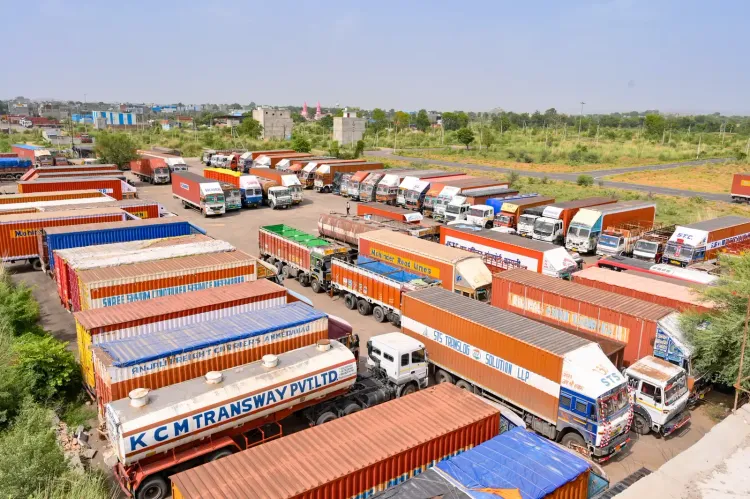
Only commercial vehicle operators will be required to pay on the notified routes. Private cars, jeeps, vans and other light private vehicles stay outside the levy. Freight operators using the newly covered stretches will need to factor the user fees into trip costs as each site comes online. This is an expansion of an existing user-fee net rather than a first-time statewide levy, given the earlier coverage of 29 highways and three major bridges.
Phased rollout and what happens next
The Road Construction Department will implement the revised system in a phased manner. How quickly collection begins on individual bridges and highway stretches has not been specified in the notification, but rates are now fixed and operators will be required to pay the applicable charges once a stretch is brought under collection. The Cabinet-backed framework is meant to standardise what had been a more uneven pattern of road-user fees across Bihar.
For transporters, the immediate question is route economics on the newly listed corridors, many of which serve district-to-district freight rather than a single urban ring. For the state, the test will be whether phased collection is applied uniformly and whether receipts are visibly tied to upkeep of the same bridges and highways now being tolled.
Point of View
But the cost will not stay on the transporter. Freight is the silent add-on to household prices, and Bihar's logistics already run through a dense web of delays. Uniform rates under the 2026 Rules are an improvement on ad-hoc collection — if the phased rollout is actually uniform and receipts are audited against maintenance. Without a public link between the new tolls and the condition of the same river bridges now being charged, this risks looking like another levy rather than a road-quality contract with users.
NationPress
25 Nov 2026
Frequently Asked Questions
What is Bihar's new toll tax on 20 more bridges and highways?
The Bihar Road Construction Department has fixed user-fee rates for an additional 20 bridges and state highway stretches, so commercial vehicles on those routes will have to pay toll. Private cars and other light private vehicles remain exempt, and collection will begin in phases.
Are private cars charged under Bihar's new highway and bridge tolls?
No. Private cars, jeeps, vans and other light private vehicles are exempt. Only commercial vehicle operators must pay the applicable user fee on the notified routes.
How will Bihar calculate toll rates on the new stretches?
Rates follow the Bihar Road User Fee (Determination and Collection of Rates) Rules, 2026, and vary by road width and vehicle category. Highways wider than two lanes but narrower than four attract 60 per cent of the prescribed rate, four-or-more-lane roads the full rate, 5.5-metre carriageways 50 per cent, and bridges are charged using length multiplied by 10.
When will toll collection start on the 20 new Bihar routes?
Collection will begin in phases after the Road Construction Department implements the revised system. Specific start dates for individual bridges and stretches have not been notified, but rates are now fixed and operators must pay once a route is brought under collection.
Which Bihar bridges and roads are newly brought under toll?
The list includes river bridges on stretches such as Warsaliganj-Kharat (Sakri), Khagaria-Sonmanakhi (Bagmati), Kanti-Ragai Ghat (Gandak), Hasanpur-Sakhuwa Ghat (Kareh), Sanhaula-Baisa-Hanwara (Gediya), Baluaha Ghat-Gandol (Kosi) and Bishanpur-Atarvel (Araai), plus several state highway stretches including Giriyak-Parvati, Rosera-Baheri and Gaya-Paraiya-Guraru.