PM Modi to dedicate ₹34,470 crore projects in Bihar on 21 Nov, inaugurate Nitish Setu
Synopsis
On 21 November 2026, PM Modi will roll out ₹34,470 crore worth of projects in Bihar in a single day — capped by the dedication of Nitish Setu, a ₹4,280 crore extradosed cable-stayed bridge over the Ganga linking Patna and Vaishali. With 100 eBuses, 26,900 housing handovers, and a 660 MW power unit switching on, it is one of the most sweeping single-day state rollouts of his current term.
Key Takeaways
PM Modi visits Bihar on 21 November 2026 to dedicate and inaugurate projects worth approximately ₹34,470 crore .
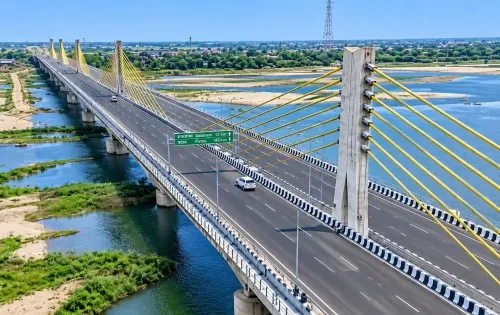
He will dedicate Nitish Setu , a 19.7-km extradosed cable-stayed bridge over the Ganga , built at a cost of approximately ₹4,280 crore .
Inaugurations include Unit 2 (660 MW) of the Buxar Thermal Power Project and road-widening projects on multiple national highways.
Foundation stones worth around ₹14,450 crore will be laid, including the ₹3,800 crore four-laning of NH-139W and the ₹3,350 crore Pirpainti power evacuation project.
100 PM-eBuses will be flagged off and more than 26,900 PMAY-Urban beneficiaries will receive homes in a Griha Pravesh ceremony.
Prime Minister Narendra Modi is scheduled to visit Bihar on 21 November 2026 to inaugurate, dedicate, and lay foundation stones for development projects worth approximately ₹34,470 crore spanning road connectivity, power, urban infrastructure, water resources, education, healthcare, and public transport. The visit marks one of the largest single-day infrastructure rollouts in the state in recent years.
Nitish Setu: A New Crossing Over the Ganga
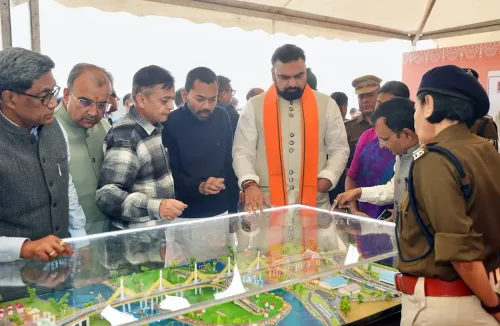
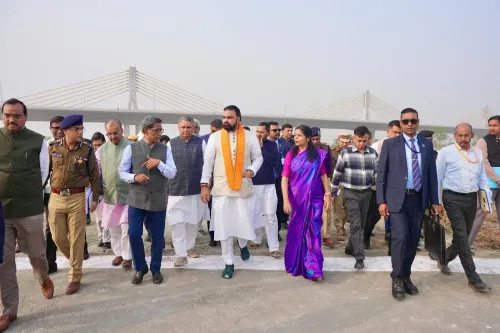
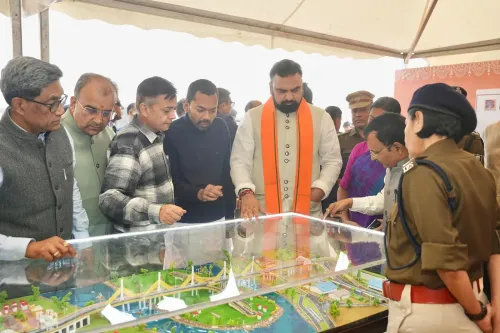
The centrepiece of the visit is the dedication of Nitish Setu, a 19.7-km-long extradosed cable-stayed bridge over the Ganga, built at a cost of approximately ₹4,280 crore. The bridge connects Kachchi Dargah on NH-22 in Patna district with Bidupur on NH-322 in Vaishali district. It comprises a 9.7-km main bridge and 10 km of approach roads.
The new crossing is expected to ease traffic pressure on the existing Mahatma Gandhi Setu and JP Setu, reduce travel time between north and south Bihar, and improve access to healthcare, education, and essential services for residents of Raghopur Diara. The bridge is also projected to facilitate movement of agricultural produce and industrial goods, boosting regional trade and commerce.
Key Infrastructure Projects Being Inaugurated
Modi will inaugurate projects worth more than ₹15,600 crore during the event. Major road projects include the six-laning of the Aurangabad-Chordaha section of NH-19, the Chorma-Bairgania section of NH-227F, and the Umagaon-Saharsa section of NH-327, among others.
In the power sector, the Prime Minister will inaugurate Unit 2 — with a capacity of 660 MW — of the 1,320-MW Buxar Thermal Power Project. Electricity distribution and transmission projects under the state Energy Department will also be commissioned, including Revamped Distribution Sector Scheme (RDSS) loss-reduction works worth more than ₹1,130 crore.
Other projects being inaugurated include the restoration and strengthening of canals and embankments, a floating solar project at Phulwaria Dam in Nawada, and sewerage infrastructure at Kahalgaon. Buildings for educational institutions, residential schools, healthcare facilities, agriculture, sports, and public administration are also part of the inauguration.
Foundation Stones for Future Projects
The Prime Minister will lay foundation stones for projects worth around ₹14,450 crore. The largest among these is the four-laning of the Sahebganj-Areraj-Bettiah section of NH-139W, estimated at more than ₹3,800 crore. The power evacuation project for the 2,400-MW Pirpainti Super Thermal Power Project — comprising three units of 800 MW each — will also be launched at an estimated cost of around ₹3,350 crore.
Foundation stones will additionally be laid for sewerage and water-supply projects across Begusarai, Biharsharif, Purnea, Hajipur, Motihari, Danapur, Khagaria, Samastipur, Bodh Gaya, Sitamarhi, Saharsa, and other urban centres. Other upcoming initiatives include the modernisation of canal systems, the construction of Dr Bhimrao Ambedkar Residential Schools, the IIT Patna Research Park and hostel, engineering and polytechnic institutions, and emergency response and police data centre infrastructure.
PM-eBuses and Housing Benefits
During the visit, Modi will flag off 100 PM-eBuses to promote cleaner and more sustainable public transport across Bihar. The event will also mark a Griha Pravesh ceremony for more than 26,900 beneficiaries under the Pradhan Mantri Awas Yojana-Urban (PMAY-U), providing a significant boost to the government's urban housing programme.
What This Means for Bihar
This comes amid heightened Central government focus on Bihar, a key political ally state, ahead of a broader national infrastructure push. The ₹34,470 crore outlay covers virtually every major public service vertical — from power generation and road connectivity to urban water supply and affordable housing. For citizens in underserved districts such as Nawada, Vaishali, and Raghopur Diara, the projects promise tangible improvements in daily services. How swiftly these initiatives translate into on-ground delivery will determine their lasting impact.
Point of View
470 crore single-day rollout in Bihar is strategically timed — the state remains a critical coalition partner for the Centre, and large infrastructure announcements here carry both developmental and political weight. The Nitish Setu dedication is emblematic: a bridge named after a sitting chief minister, connecting districts that have long suffered from poor cross-Ganga access. The real measure of success, however, lies not in the foundation-stone count but in timely project completion — Bihar has historically seen Central outlays languish at implementation stage. With power, roads, housing, and urban water all bundled into one event, this is a headline-first exercise that will need sustained bureaucratic follow-through to match its ambition.
NationPress
20 Nov 2026
Frequently Asked Questions
What is Nitish Setu and why is it significant?
Nitish Setu is a 19.7-km extradosed cable-stayed bridge over the Ganga, built at approximately ₹4,280 crore, connecting Kachchi Dargah in Patna district with Bidupur in Vaishali district. It provides a third crossing over the Ganga in the stretch, reducing pressure on the Mahatma Gandhi Setu and JP Setu and cutting travel time between north and south Bihar.
What is the total value of projects PM Modi will inaugurate or announce in Bihar on 21 November 2026?
PM Modi will inaugurate and dedicate projects worth more than ₹15,600 crore and lay foundation stones for projects worth around ₹14,450 crore, bringing the combined total to approximately ₹34,470 crore. The outlay covers roads, power, urban infrastructure, water, education, healthcare, and housing.
Which power project will be inaugurated during PM Modi's Bihar visit?
PM Modi will inaugurate Unit 2 of the Buxar Thermal Power Project, which has a capacity of 660 MW and forms part of the larger 1,320-MW project. RDSS electricity loss-reduction works worth more than ₹1,130 crore will also be commissioned.
What is the Pirpainti Super Thermal Power Project?
The Pirpainti Super Thermal Power Project is a planned 2,400-MW power plant comprising three units of 800 MW each. The foundation stone for its power evacuation infrastructure, estimated at around ₹3,350 crore, will be laid during PM Modi's 21 November visit.
Who benefits from the housing and transport announcements during the Bihar visit?
More than 26,900 beneficiaries under the Pradhan Mantri Awas Yojana-Urban will participate in a Griha Pravesh ceremony, receiving urban housing. Additionally, 100 PM-eBuses will be flagged off to provide cleaner public transport options for commuters across Bihar.