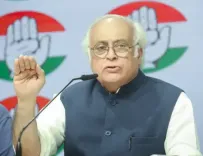
Ravneet Singh Bittu apologises to Punjab SC panel, ordered to visit 4 Dalit shrines
Synopsis
A sitting Union Minister tendering a written apology before a state SC panel and being ordered to visit four Dalit shrines is extraordinary — and a signal that Punjab's Scheduled Castes Commission is willing to enforce accountability regardless of political rank. Bittu's compliance, or lack of it, will define what this directive actually means.
Key Takeaways
Ravneet Singh Bittu , Union Minister of State for Railways, appeared before the Punjab State Scheduled Castes Commission on 24 June and submitted a written apology.
The controversy arose from alleged casteist remarks made during Municipal Council elections in Dhuri, Sangrur district .
Commission Chairman Jasvir Singh Garhi directed Bittu to pay obeisance at four SC community-associated religious sites.
The sites include Dera Baba Brahmdas , Dera Sant Sarwan Dass Sachkhand Ballan , Bhagwan Valmiki Tirath Sthal , and Sri Darbar Sahib , Amritsar.
Bittu acknowledged in his apology that the words used were ‘legally wrong’ and confirmed he had deleted the viral video.
The commission had twice earlier rejected lawyer representation, insisting on Bittu's personal appearance.
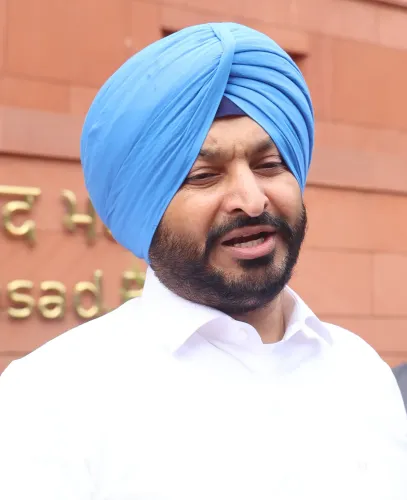
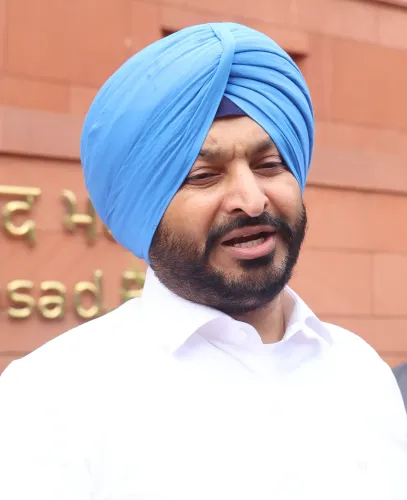
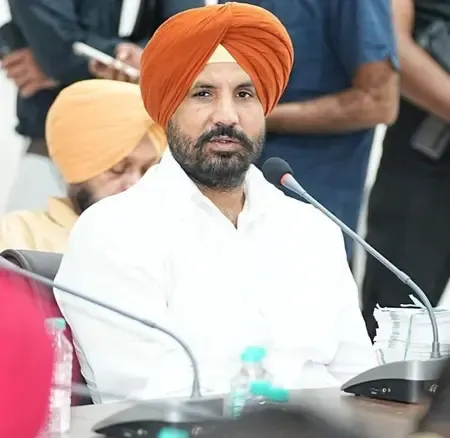
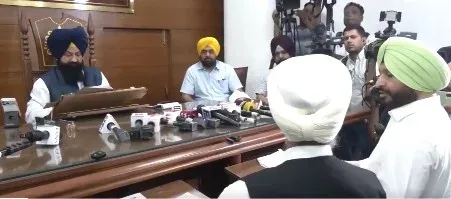
Union Minister of State for Railways Ravneet Singh Bittu appeared before the Punjab State Scheduled Castes Commission in Chandigarh on Wednesday, 24 June and tendered a written apology over casteist remarks he allegedly made against police personnel. The commission, in turn, directed him to pay obeisance at four religious sites associated with the Scheduled Caste community — a rare and pointed directive against a sitting Union Minister.
What Happened Before the Commission
Commission Chairman Jasvir Singh Garhi presided over the hearing, at which Bittu clarified his position in person. In his apology letter, the minister acknowledged that the words he had used were ‘legally wrong’ and confirmed he had deleted the controversial video. Bittu stated that ‘he is committed to respecting the Scheduled Caste community and deeply regrets the words that were uttered unintentionally.’
This was the first time Bittu appeared personally before the commission. During two earlier hearings, he had been represented by lawyers — a stance the commission rejected, directing him to appear in person.
The Incident That Triggered the Case
The controversy originated during voting for the Municipal Council elections in Dhuri town, Sangrur district. Bittu had engaged in an altercation with police officials while protesting the arrest of a Bharatiya Janata Party (BJP) leader. As the dispute escalated, he allegedly used objectionable, caste-related remarks directed at police personnel and the Scheduled Caste community. Videos of the exchange spread rapidly on social media, prompting the commission to take suo motu cognisance, seek a police report, and summon the minister.
The Four Sites Bittu Must Visit
The commission's directive requires Bittu to pay obeisance at the following places:
1. Dera Baba Brahmdas — associated with the life of Dr B.R. Ambedkar.
2. Dera Sant Sarwan Dass Sachkhand Ballan — linked to Guru Ravidas Maharaj.
3. Bhagwan Valmiki Tirath Sthal.
4. Sri Darbar Sahib, Amritsar.
The commission observed that Bittu's words, and the circumstances surrounding his deletion of the video, had hurt the sentiments of the community and carried the potential to disrupt communal harmony in Punjab.
Wider Significance
The commission's response underscores the legal weight that state-level SC panels carry in holding public figures accountable for caste-related conduct. Notably, this is not merely a symbolic rebuke — the directive to visit Dalit-associated shrines is a formal order, not a voluntary gesture. The episode comes at a time of heightened political sensitivity around caste representation in Punjab, a state where the Scheduled Caste population is among the highest in the country. Whether Bittu complies — and when — will be closely watched.
Point of View
And its enforceability will be tested by whether Bittu complies without further legal manoeuvring. Punjab's SC population is the largest share of any Indian state, making caste-related conduct by politicians an especially charged issue. The fact that Bittu needed two hearings through lawyers before appearing in person suggests the gravity of the order was not immediately accepted. The commission's suo motu action is a reminder that state-level statutory bodies retain real teeth — but only if their directions are followed through.
NationPress
23 Sept 2026
Frequently Asked Questions
What casteist remarks did Ravneet Singh Bittu make?
Bittu allegedly used objectionable, caste-related remarks against police personnel during an altercation at the Municipal Council elections in Dhuri, Sangrur district. Videos of the incident went viral on social media, after which the Punjab State Scheduled Castes Commission took suo motu cognisance.
What action did the Punjab SC Commission take against Bittu?
The commission directed Bittu to pay obeisance at four religious sites associated with the Scheduled Caste community. It also received his written apology, in which he acknowledged his words were legally wrong and confirmed he had deleted the controversial video.
Which four places has the Punjab SC Commission ordered Bittu to visit?
The commission directed Bittu to visit Dera Baba Brahmdas, Dera Sant Sarwan Dass Sachkhand Ballan, Bhagwan Valmiki Tirath Sthal, and Sri Darbar Sahib in Amritsar — all sites associated with Dalit and Scheduled Caste heritage.
Why did the Punjab SC Commission summon Bittu in person?
Bittu had attended two earlier hearings through his lawyers rather than appearing personally. The commission rejected this approach and directed him to appear in person, citing the seriousness of the remarks and their potential to disrupt communal harmony in Punjab.
What did Bittu say in his apology to the commission?
In his written apology, Bittu stated that he is committed to respecting the Scheduled Caste community and deeply regrets the words that were uttered unintentionally. He also acknowledged the words were legally wrong and confirmed he had deleted the viral video.