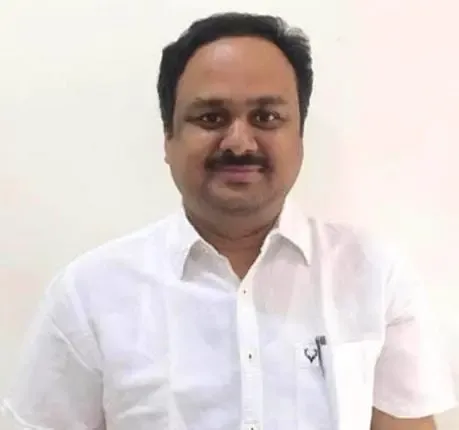
BJD delimitation stand: Odisha's interests first, says Mangaraj
Synopsis
Odisha's BJD is keeping its options open on delimitation. The party says it does not yet know the special session agenda, and it warns that redrawing seats by population would penalise states that controlled population growth. Its demand for an all-party meeting and a public draft Bill sets up a test for the Centre in the Rajya Sabha.
Key Takeaways
BJD Rajya Sabha leader Manas Mangaraj said Odisha's interests will decide the party's delimitation stand.
Special sessions are scheduled for the Lok Sabha on 30 November and the Rajya Sabha on 2 December .
The BJD says it has not received the agenda and will act on Naveen Patnaik's directions.
Prasanna Acharya warned that population-based delimitation would hurt states that controlled population growth.
The BJD wants an all-party meeting and a public draft Bill before the Bill is introduced.
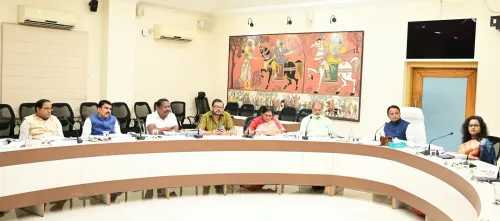
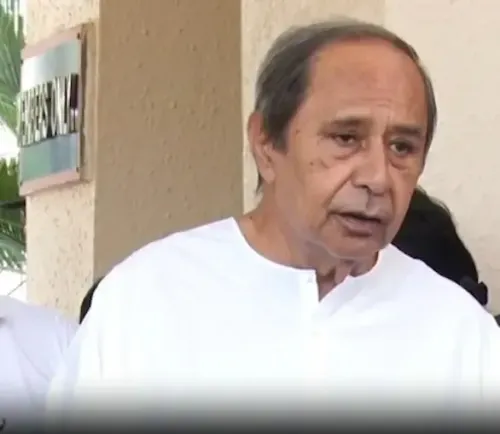
The Biju Janata Dal (BJD) will decide its position on the delimitation issue based on the interests of Odisha, the party's Parliamentary Party leader in the Rajya Sabha, Manas Mangaraj, said in Bhubaneswar on Friday, 27 November 2026. His remarks come amid growing speculation over delimitation after special sessions were announced for the Lok Sabha on 30 November and the Rajya Sabha on 2 December.
BJD Awaits the Session Agenda
Mangaraj said the BJD has not yet received any specific information about the agenda or the issues to be taken up during the upcoming special sessions of Parliament.
“After receiving detailed facts and information in this regard, the Parliamentary Party will take further steps as per the directions of BJD Supremo Naveen Patnaik,” he said.
He said the BJD has always given top priority to Odisha's interests and will not deviate from that principle. The party's position on delimitation, he added, will be guided by the state's interests.
Cabinet Meeting Fuels Speculation
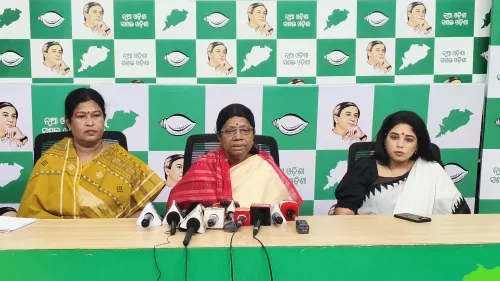
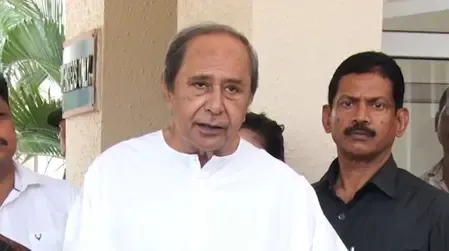
Senior BJD leader Prasanna Acharya told reporters that Prime Minister Narendra Modi had convened a meeting of the Union Cabinet on Friday. There is speculation that the Cabinet may approve the draft delimitation Bill at that meeting.
Acharya pointed to the earlier attempt at a similar measure. “What we are saying is that on the points and grounds on which the opposition parties did not support that (Delimitation) bill the last time, if the Union government brings that same proposal again, it will serve no purpose,” he said.
Concerns Over Population-Based Seat Allocation
Acharya argued that delimitation based on population will not ensure equal justice for all states. He said states that successfully carried out the Union government's population control policy, introduced several years ago, would suffer the most if seats were redrawn on the basis of population.
This concern has been raised by several states that brought their population growth down. Under a population-based formula, those states could lose relative representation in the Lok Sabha to states with faster population growth. Delimitation of parliamentary seats has been frozen since the 1970s, and the freeze was later extended through constitutional amendments.
BJD's Two Demands to the Centre
Acharya made two procedural suggestions. “Our first suggestion is that it would be good if the Union government convenes an all-party meeting before introducing the Bill in Parliament and holds consultations with all political parties. Secondly, instead of introducing the Bill abruptly, the Union government should make the draft Bill available to the public and all opposition parties for their information and consideration,” he said.
He said these steps would allow meaningful discussion of the Bill's provisions and make the process more fruitful.
What Comes Next
The BJD's final stance will depend on the details of the Bill, if one is tabled, and on directions from Naveen Patnaik. The party has influence in the Rajya Sabha, where its position could matter for any constitutional change. The 2 December Rajya Sabha sitting is likely to be the clearest test of how Odisha's main opposition party chooses to vote.
Point of View
Which makes sense for a party that has lost power in Odisha but still has a presence in the Rajya Sabha. Its strongest argument, that population-based delimitation punishes states that controlled population growth, is a federal fairness question the Centre has not yet answered. Calling special sessions while parties say they have not seen the agenda weakens the government's case on process. If a constitutional change is introduced abruptly, the Centre risks turning a needed reform into a fight between states over representation.
NationPress
27 Nov 2026
Frequently Asked Questions
What is the BJD's stand on delimitation?
The BJD says its stand will be guided by Odisha's interests. It will decide its final position after it receives details of the Bill and gets directions from party chief Naveen Patnaik.
When are the special sessions of Parliament?
The Lok Sabha special session is scheduled for 30 November and the Rajya Sabha session for 2 December. Speculation that delimitation may be taken up has increased since the sessions were announced.
Why does the BJD oppose population-based delimitation?
Senior leader Prasanna Acharya said population-based delimitation would not ensure equal justice for all states. He said states that implemented the Union government's population control policy would suffer the most.
What has the BJD demanded from the Centre?
The BJD wants an all-party meeting before the Bill is introduced. It has also asked that the draft Bill be made public and shared with all opposition parties for consideration.
Has the Union Cabinet approved the delimitation Bill?
There is no confirmation yet. Prime Minister Narendra Modi convened a Cabinet meeting on Friday, and there is speculation that the draft Bill may be approved there.