Uttarakhand CMO: Over 3.5 lakh women now lakhpatis
Synopsis
The Chief Minister's Office of Uttarakhand quoted CM Pushkar Singh Dhami as saying more than 3.5 lakh women have become lakhpatis, running enterprises and creating jobs. The claim sits in a longer National Rural Livelihoods Mission and self-help group drive in the state dating to 2011.
Key Takeaways
The Chief Minister's Office of Uttarakhand on 27 November 2026 quoted CM Pushkar Singh Dhami on women's empowerment.
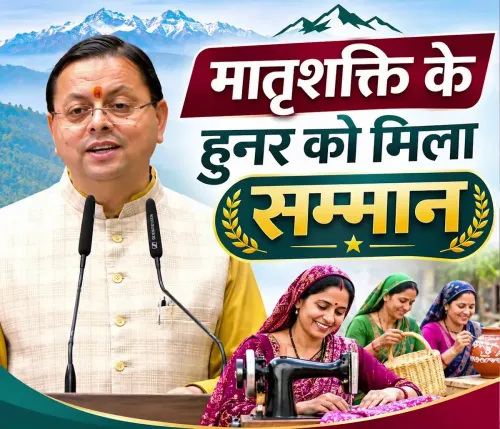
Dhami said more than 3.5 lakh women (matrishakti) in the state have become lakhpatis.
He said those women are running their own work and also providing employment to others.
Uttarakhand has run NRLM-linked self-help groups and micro-enterprise support for rural women since 2011.
Pushkar Singh Dhami has been Chief Minister of Uttarakhand since March 2021.
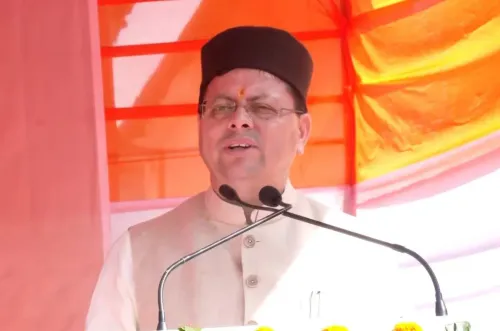
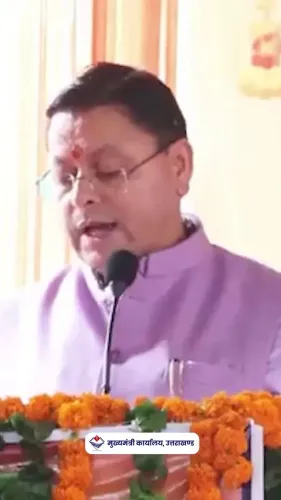
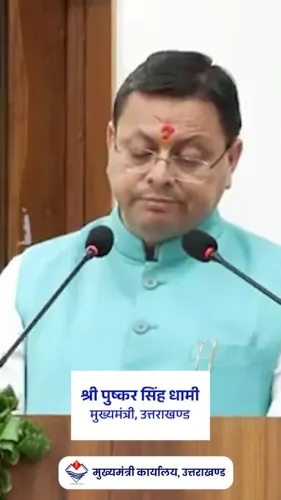
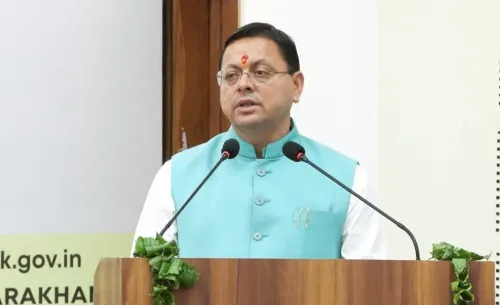
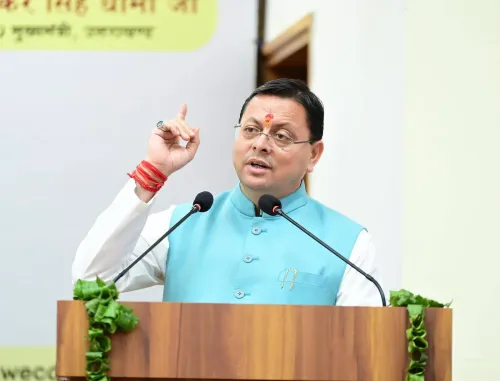
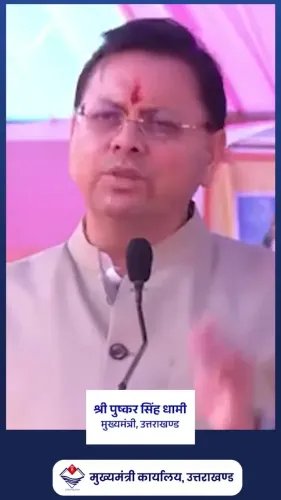
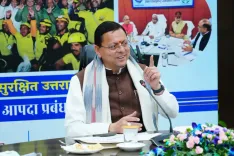
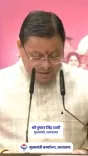
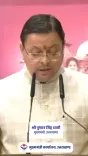
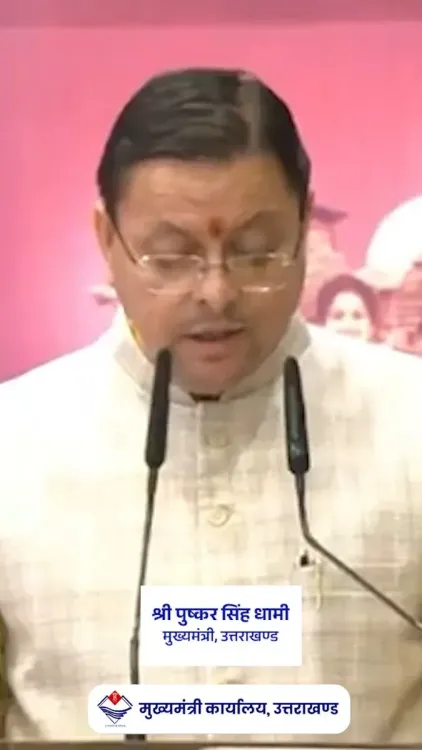
The Chief Minister's Office of Uttarakhand on Friday put a hard number on women's economic rise in the Himalayan state, quoting Chief Minister Pushkar Singh Dhami as saying that more than 3.5 lakh women have become lakhpatis. Posted on 27 November 2026, the message cast those women not only as self-employed but as employers in their own right.
In the original Hindi, Dhami said an example had been set in women's empowerment: sade teen lakh se zyada matrishakti (more than three-and-a-half lakh women) are now lakhpatis, running their own work and giving jobs to others as well.
Dhami's 3.5 lakh lakhpati claim
The phrase lakhpati, in India's rural livelihood programmes, typically marks women whose enterprise or household income has crossed an annual threshold of about Rs 1 lakh, often through self-help groups rather than salaried jobs. Dhami's remark presents that crossing as a statewide example, with the added claim that these women are also creating work for others.
The Chief Minister has, since taking office in March 2021, repeatedly foregrounded women's economic participation. The latest statement fits a pattern of state governments publicising aggregate outcomes for rural women under existing livelihood schemes.
SHGs and the NRLM pipeline in Uttarakhand
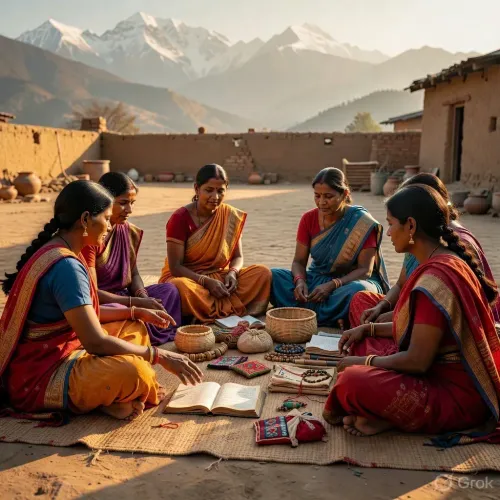
Uttarakhand has scaled self-help groups and micro-enterprise support for rural women under the National Rural Livelihoods Mission, rolled out in the state from 2011 onward. Those groups remain the main delivery channel for skill training, credit, and market linkages that officials cite when they talk of lakhpati didis.
Similar lakhpati targets have been promoted across several Indian states since the mid-2010s through NRLM-linked training and market access. Periodic state releases of cumulative numbers are how such claims usually enter the public record. The next official NRLM progress update, or a budget line on women-focused enterprise support, will be the place to test how this figure holds.
For a hill economy still leaning on tourism, horticulture and small enterprises, the real test is whether those lakhpati women keep generating work when the next season turns.
Point of View
Like other states, has used that frame since the mid-2010s to show rural women as earners and employers, not only as welfare recipients. The policy arc is continuity more than a new scheme: credit, skills and market linkages already on the books. What matters next is whether the next official livelihood data and budget allocations match the scale of the claim.
NationPress
27 Nov 2026
Frequently Asked Questions
How many lakhpati women did CM Dhami cite in Uttarakhand?
Chief Minister Pushkar Singh Dhami said more than 3.5 lakh women in the state have become lakhpatis, running their own work and also providing employment to others. The figure was shared via the Chief Minister's Office on 27 November 2026.
What does lakhpati mean for rural women in India?
In rural livelihood programmes linked to the National Rural Livelihoods Mission, lakhpati generally refers to women whose income from group-based enterprises or related work has crossed about Rs 1 lakh a year. States often report cumulative counts of such women through self-help groups.
What is the National Rural Livelihoods Mission in Uttarakhand?
The National Rural Livelihoods Mission has been rolled out in Uttarakhand from 2011 onward. It organises rural women into self-help groups and supports micro-enterprises through credit, skill training and market linkages.
Who is Pushkar Singh Dhami?
Pushkar Singh Dhami has been Chief Minister of Uttarakhand since March 2021. He frequently highlights state initiatives on women's economic participation.
When was the Uttarakhand CMO post on lakhpati women issued?
The Chief Minister's Office posted the statement on 27 November 2026, quoting Chief Minister Pushkar Singh Dhami on women's empowerment in the state.