Madhur Bhandarkar at IFFI: Why he sticks to women-centric films
Synopsis
Madhur Bhandarkar says producers pushed him to cast male leads in ‘Fashion’, ‘Corporate’ and ‘Heroine’, and he refused every time. At IFFI, the filmmaker embraced the ‘women-centric’ tag. He said Bollywood has finally caught up to the space he worked in almost alone for years.
Key Takeaways
Madhur Bhandarkar spoke on women-centric cinema at the 55th IFFI , alongside Farhan Akhtar and Ashutosh Gowariker .
He said he was asked to cast a male protagonist for ‘Corporate’ , ‘Heroine’ and ‘Fashion’ .
Bhandarkar said he is “okay” with being labelled a ‘women-centric’ filmmaker.
He contrasted Tabu's subdued character with Raveena's system-fighting role in ‘Satta’ .
He said more filmmakers and actresses now want to make women-centric films, calling it “a great sign”.
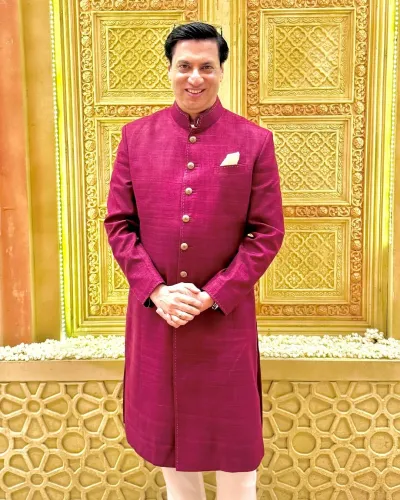
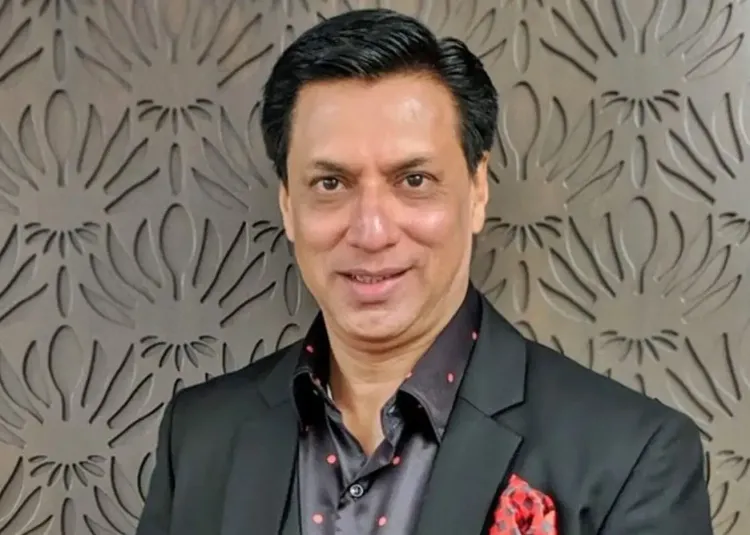
Filmmaker Madhur Bhandarkar, known for ‘Chandni Bar’, ‘Page 3’, ‘Fashion’ and ‘Babli Bouncer’, has explained why he keeps choosing women-centric cinema. He spoke during a panel discussion at the 55th International Film Festival of India (IFFI). Bhandarkar said he has often been urged to cast male protagonists, but has consistently chosen to tell his stories from a woman's point of view.
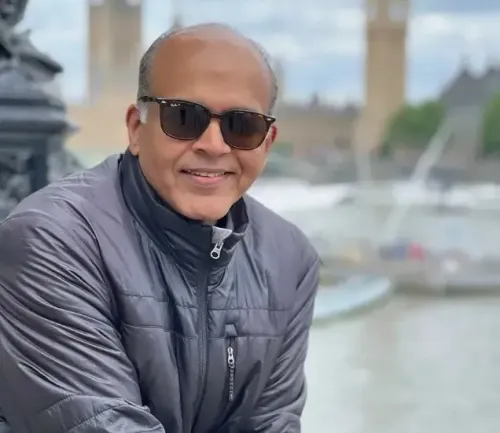
He shared the stage with fellow filmmakers Farhan Akhtar and Ashutosh Gowariker. The session turned into a candid look at how one of Hindi cinema's most recognisable realist directors approaches his material.
Pressure to Cast Male Leads
Bhandarkar said his choice of subjects grows out of his research and his conversations with people. “I think in society, when I research, when I meet people, there are lots of stories, concepts, which I think women point of view has to be shown,” he said.
He revealed that he has repeatedly faced pushback while narrating scripts. “A lot of people have told me when I narrate the subject, they say, ‘It’s good, why not tell the story from a male point of view, it will be good for you also’. I tell them, ‘No, I want to tell the story from the women's point of view only’,” he said.
Notably, he named three of his best-known titles where this happened. “For ‘Corporate’, ‘Heroine’ or even ‘Fashion’ for that matter, I was asked to cast a male protagonist,” Bhandarkar said.
Embracing the ‘Women-Centric’ Label
The filmmaker said he is entirely comfortable with the tag that has followed him through his career. “I am okay with this label of being a ‘women-centric’ filmmaker that people have given to me,” he said. He added that “in our society, in our country, there are lots of things from a woman's point of view, should be shown.”
He said he is drawn to “complex, flawed and sometimes very smart characters.” To illustrate the range, he contrasted Tabu's character, whom he described as submissive and subdued and as someone who gave in to the system, with Raveena's character in ‘Satta’, who fights the system. He called the two “diametrically opposite characters.”
A Changing Industry Landscape
Bhandarkar pointed to a clear shift in the Hindi film industry since he started out. He recalled that when he began making such films, few others did, and some people dismissed his work as low-budget ventures.
“But I know today, lot of other filmmakers have started, and a lot of other actresses want to do women-centric cinema... That's a great sign,” he said. He added that when he started making movies, “there were barely a few filmmakers” working in that space.
Why the Remarks Matter
His comments come as female-led stories gain more commercial and critical space in Indian cinema. Many leading actresses now headline films, a trend Bhandarkar says he welcomes. His filmography covers bar dancers, the fashion world, corporate boardrooms and small-town bouncers, and it stands as an early example of the genre in mainstream Hindi film.
Bhandarkar's IFFI remarks suggest his next projects will stay with the female perspective that has defined his career for more than two decades.
Point of View
Which undercuts that logic. The industry now celebrates female-led films, yet budgets, screen counts and pay parity still trail those of male-led projects. If women-centric cinema is to move beyond being a ‘label’, it needs the same financial backing as hero-driven films, not just good intentions.
NationPress
27 Nov 2026
Frequently Asked Questions
Why does Madhur Bhandarkar make women-centric films?
Bhandarkar says his research and conversations show that many stories in society need to be told from a woman's point of view. He also says he likes portraying complex, flawed and sometimes very smart female characters.
Was Madhur Bhandarkar asked to cast male leads in his films?
Yes. He said he was asked to cast a male protagonist for ‘Corporate’, ‘Heroine’ and ‘Fashion’, but he insisted on telling these stories from a woman's point of view.
Where did Madhur Bhandarkar make these remarks?
He spoke at a panel discussion at the 55th International Film Festival of India (IFFI). Filmmakers Farhan Akhtar and Ashutosh Gowariker also took part.
Does Madhur Bhandarkar mind being called a women-centric filmmaker?
No. He said he is okay with the label and that it reflects the kind of stories he wants to tell.
What are Madhur Bhandarkar's best-known films?
His notable films include ‘Chandni Bar’, ‘Page 3’, ‘Fashion’, ‘Corporate’, ‘Heroine’, ‘Satta’ and ‘Babli Bouncer’. Most of them centre on female protagonists.