BJD questions anti-cheating law amendments, cites 23 Odisha leaks under BJP
Synopsis
BJD's Lenin Mohanty didn't just criticise the Centre's anti-cheating amendments — he turned the lens on Odisha's BJP government, citing 23 paper leak incidents since the state's own law was passed in December 2024, with zero convictions. It's a pointed reminder that India's exam integrity crisis is as much an enforcement failure as a legislative one.
Key Takeaways
BJD Spokesperson Lenin Mohanty questioned the effectiveness of Union Cabinet-approved amendments to the Public Examinations (Prevention of Unfair Means) Act, 2024 on 24 July .
More than 150 question paper leak incidents have been reported across India over the past 12 years , according to the BJD.
The Odisha Assembly passed a similar anti-cheating law on 6 December 2024 , yet 23 paper leak incidents have allegedly occurred in the state since.
The BJD alleged that not a single accused in Odisha's leak cases has been punished under the BJP government.
The party demanded strict, impartial enforcement and swift punishment as the only durable solution to recurring leaks.
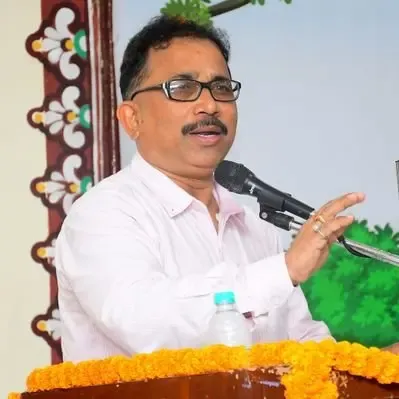
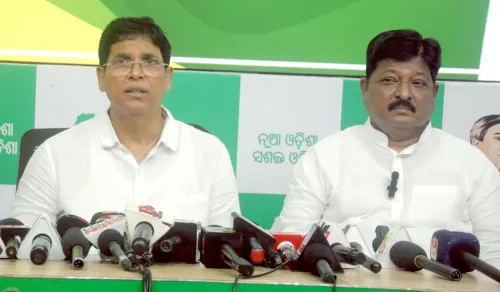
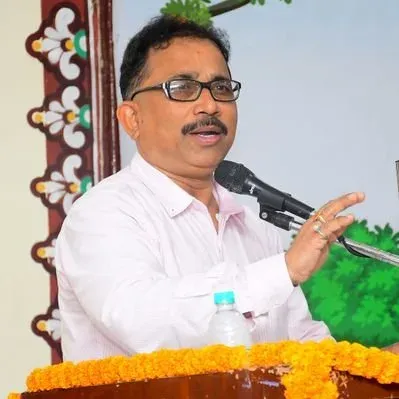
The Opposition Biju Janata Dal (BJD) on Friday, 24 July questioned the effectiveness of the Union government's proposed amendments to the Public Examinations (Prevention of Unfair Means) Act, 2024, arguing that tougher legal provisions alone will not stop recurring question paper leaks unless backed by rigorous enforcement. The party made its position clear at a press conference held at Sankha Bhawan in Bhubaneswar.
BJD's Core Argument
BJD Spokesperson and Media Coordinator Lenin Mohanty said the Union Cabinet's approval of the amendments comes against the backdrop of nationwide student protests triggered by a string of examination paper leak incidents. He pointed out that more than 150 question paper leak incidents have been reported across the country over the past 12 years, causing widespread anxiety among students and their families.
Mohanty also noted that the movement sparked by the NEET question paper leak controversy had rattled the entire country, adding political urgency to the legislative push. While acknowledging that the proposed amendments prescribe stricter punishment, he maintained that the legislation would remain hollow without sincere enforcement.
'To prevent question paper leaks and ensure accountability, the law must be implemented in a strict, impartial and effective manner. Unless there is sincere enforcement and timely punishment of those responsible, such incidents will continue,' Mohanty said.
Odisha Under the Spotlight
The BJD leader trained his sights specifically on the Bharatiya Janata Party (BJP) government in Odisha, alleging that question paper leak incidents have persisted in the state even after the Odisha Public Examinations (Prevention of Unfair Means) Act, 2024 was passed by the Odisha Assembly on 6 December 2024.
According to Mohanty, 23 question paper leak incidents have surfaced in Odisha during the past two years under the BJP's 'double-engine government'. He alleged that not a single accused in those cases has been punished so far — a gap he said exposes the chasm between legislation and its enforcement.
The National Context
The Union Cabinet's move to amend the 2024 Act was aimed at strengthening legal provisions against examination-related malpractices, including paper leaks. The amendments follow sustained pressure from student groups and civil society organisations that have demanded systemic reform of India's public examination infrastructure. This is not the first time that a legislative response to the leak crisis has drawn scepticism — critics have long argued that India's examination system suffers from structural weaknesses that laws alone cannot fix.
What the BJD Demands
The BJD called for a permanent solution that goes beyond tougher legal provisions, emphasising swift and exemplary punishment for those found guilty. The party's stance reflects a broader national debate: whether India's answer to the examination integrity crisis lies in stricter statutes, institutional overhaul, or both. With student protests continuing in several states, the pressure on both the Centre and state governments to demonstrate tangible action is unlikely to ease soon.
Point of View
But it also carries political convenience — the party governed Odisha for over two decades and presided over many of those 150-plus leak incidents it now cites. The more substantive point is the enforcement gap: India has a pattern of legislating in response to outrage and then failing to prosecute. With zero convictions in Odisha despite a state law passed in December 2024, the BJP faces a credibility test it cannot answer with another amendment. The real accountability question is whether any government — at the Centre or in the states — has the institutional will to pursue the paper-leak supply chain, which typically involves organised networks, not lone actors.
NationPress
23 Oct 2026
Frequently Asked Questions
What are the amendments to the Public Examinations (Prevention of Unfair Means) Act, 2024?
The Union Cabinet approved amendments to the Public Examinations (Prevention of Unfair Means) Act, 2024, aimed at strengthening legal provisions against examination malpractices, including question paper leaks. The amendments prescribe stricter punishments for those found guilty of such offences.
Why is the BJD opposing the anti-cheating law amendments?
The BJD is not opposing the amendments outright but is questioning their effectiveness, arguing that legislation without strict enforcement will not stop paper leaks. The party cited over 150 leak incidents nationally in 12 years and 23 incidents in Odisha alone since a similar state law was enacted in December 2024.
How many question paper leaks have occurred in Odisha under the BJP government?
According to BJD Spokesperson Lenin Mohanty, 23 question paper leak incidents have been reported in Odisha over the past two years under the BJP's 'double-engine government', with no accused punished so far despite the Odisha Public Examinations (Prevention of Unfair Means) Act, 2024 being in force since 6 December 2024.
What is the NEET question paper leak controversy?
The NEET paper leak refers to alleged irregularities in the National Eligibility cum Entrance Test, which triggered nationwide student protests and intensified calls for reform of India's public examination system. The controversy was a key backdrop to the Union Cabinet's decision to amend the 2024 anti-cheating law.
What does the BJD demand as a solution to exam paper leaks?
The BJD has demanded strict, impartial, and effective implementation of existing laws, along with swift and exemplary punishment for those found guilty. The party argues that the permanent solution lies in enforcement, not merely in introducing tougher legal provisions.